
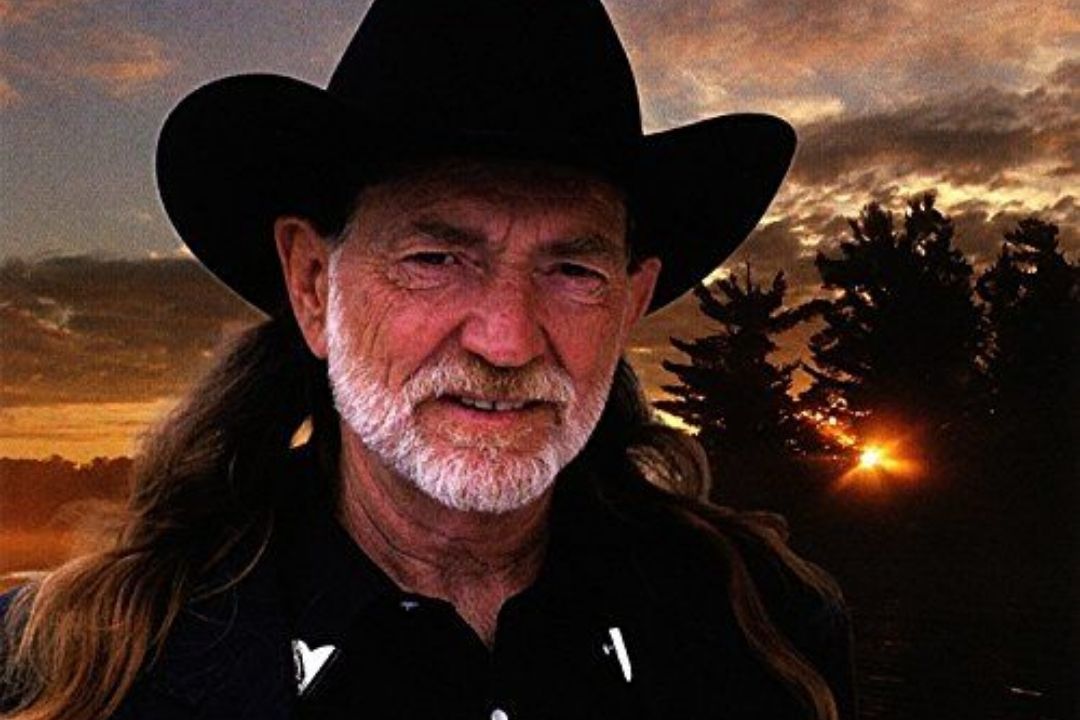
About the song
“Blue Eyes Crying in the Rain” is one of the most poignant and enduring songs in the history of country music, and Willie Nelson’s haunting rendition has made it a timeless classic. Written by songwriter Fred Rose in 1945, the song had been recorded by several artists before, including Roy Acuff and Hank Williams Sr. However, it was Willie Nelson’s 1975 version that turned the track into an iconic piece of American music history. Featured on his critically acclaimed concept album Red Headed Stranger, the song became Nelson’s first number-one hit as a solo artist and is often considered the turning point of his career.
The story behind Blue Eyes Crying in the Rain is deeply emotional, and its simplicity is what gives it such profound power. The lyrics tell the tale of a man reflecting on a final moment with his lover, seeing her blue eyes filled with tears as they part ways, knowing they will never meet again in this life. The sorrow and longing in the song are universal, touching on themes of love, loss, and the hope of reunion beyond death. Willie Nelson’s understated vocal delivery and minimalist arrangement amplify the emotional weight, making it a deeply intimate listening experience.
When Willie Nelson recorded the song for Red Headed Stranger, he approached it with an unusual level of restraint. Instead of the lush production common in Nashville at the time, the track was stripped down to its bare essentials. Nelson’s gentle, aching vocals are accompanied primarily by acoustic guitar and subtle harmonies, allowing the lyrics and melody to take center stage. This sparse production style fit perfectly with the album’s concept—a narrative about love, betrayal, and redemption—and set the tone for the rest of the record.
One of the reasons Nelson’s version stands out is his unique phrasing and vocal style. Willie Nelson has always been known for his ability to sing slightly behind the beat, giving his performances a conversational, heartfelt quality. In Blue Eyes Crying in the Rain, this approach creates a sense of quiet reflection, as if the narrator is lost in memory. His voice carries both tenderness and deep sadness, making the song resonate on an emotional level that few others have achieved.
Upon its release, Blue Eyes Crying in the Rain became an instant success. It reached number one on the Billboard Hot Country Singles chart in October 1975, marking a major breakthrough for Nelson, who had spent years working as a songwriter and struggling as a performer under the constraints of the Nashville music industry. The song’s success helped establish Nelson as a leading figure in the “outlaw country” movement, which rejected the slick, commercial sound of mainstream country in favor of more personal, authentic storytelling.
Beyond its commercial impact, the song cemented Nelson’s reputation as a master interpreter of classic country material. While many artists had recorded Blue Eyes Crying in the Rain before, Nelson’s version became definitive. His emotional delivery and sparse arrangement brought out the heart of Fred Rose’s lyrics in a way that felt timeless and deeply human. It also showcased Nelson’s ability to connect with listeners on a personal level, making them feel the story as if it were their own.
The legacy of Blue Eyes Crying in the Rain extends far beyond its chart success. The song earned Willie Nelson a Grammy Award for Best Country Vocal Performance, Male, in 1975 and has remained one of his signature songs throughout his career. It has been covered by countless artists across genres, including Elvis Presley, Conway Twitty, and Shania Twain, but Nelson’s version remains unmatched in its emotional authenticity. The track also played a significant role in solidifying Red Headed Stranger as one of the greatest country albums of all time.
Even decades after its release, Blue Eyes Crying in the Rain continues to move audiences with its quiet power. The song’s themes of love, loss, and longing are universal, and Nelson’s heartfelt performance captures those emotions in a way that feels both personal and eternal. It stands as a perfect example of how simplicity, when paired with genuine emotion, can create a masterpiece that transcends time and genre.
In summary, Willie Nelson’s Blue Eyes Crying in the Rain is more than just a country hit; it is a cornerstone of American music history. Through its tender lyrics, stripped-down arrangement, and Nelson’s unforgettable vocal delivery, the song captures the essence of love and loss in its purest form. It is a testament to the power of storytelling in music and a shining example of how one song can define a career and touch the hearts of generations.