
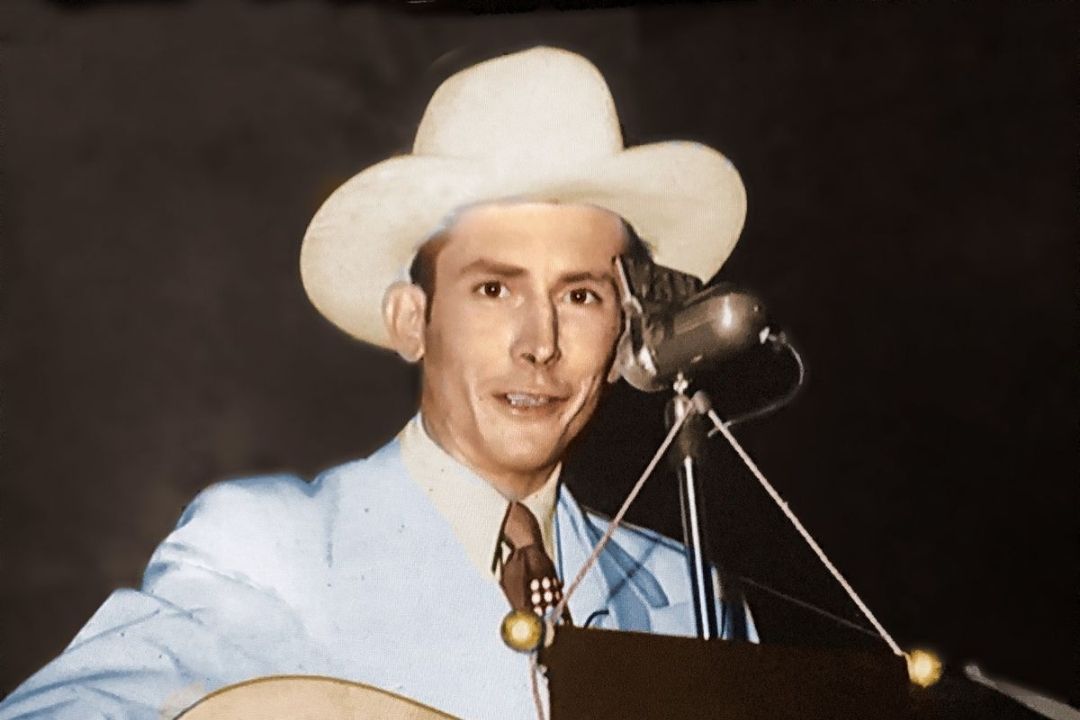
About the song
Hank Williams – “Why Don’t You Love Me”
A Classic Honky-Tonk Anthem of Heartache and Humor
“Why Don’t You Love Me,” written and recorded by Hank Williams in 1950, is one of the most memorable songs in the honky-tonk tradition. Blending heartbreak with a touch of humor, the song captures Williams’ gift for turning raw emotion into music that is simple, relatable, and enduring. With its driving rhythm, clever lyrics, and unmistakable vocal style, “Why Don’t You Love Me” became a cornerstone of Hank’s catalog and a defining moment in country music history.
Origins and Background
Hank Williams wrote “Why Don’t You Love Me” during a turbulent time in his personal life. His marriage to Audrey Williams was notoriously stormy, filled with love, arguments, and reconciliations. Many believe the song was inspired directly by their relationship, reflecting Hank’s feelings of rejection and confusion. The lyrics read like a conversation between two people caught in the middle of a romantic standoff.
The song was recorded on March 1, 1950, at Castle Studio in Nashville. Williams was backed by his legendary band, the Drifting Cowboys, whose combination of steel guitar, fiddle, and upright bass created the signature honky-tonk sound that would influence generations of country musicians.
Musical Style and Composition
“Why Don’t You Love Me” is classic honky-tonk at its best. Built around a straightforward I-IV-V chord progression, the song has an upbeat tempo despite its theme of heartache. The contrast between the lively music and the sorrowful lyrics adds a layer of irony and humor, a hallmark of Hank Williams’ songwriting.
The instrumentation features twangy steel guitar riffs, a steady walking bass line, and fiddle accents that complement Hank’s distinctive, plaintive vocals. His delivery combines vulnerability and frustration, making the listener feel both the pain and the wry humor behind the words.
Lyrics and Themes
The song opens with a plaintive question that sets the tone:
“Why don’t you love me like you used to do?
How come you treat me like a worn-out shoe?”
These lines immediately convey both heartbreak and a touch of self-deprecating humor. Throughout the song, Hank mixes sorrow with playful metaphors, comparing his fading relationship to something discarded and forgotten. The lyrics speak to universal feelings of longing and confusion when love begins to fade.
Despite its emotional weight, the song doesn’t wallow in sadness. Instead, it maintains a conversational, almost lighthearted tone. This balance of humor and pain became a trademark of Williams’ songwriting and helped make his music resonate with everyday people.
Chart Success and Reception
Upon its release in May 1950, “Why Don’t You Love Me” quickly became a hit. It soared to No. 1 on the Billboard Country & Western Best Sellers chart, giving Hank Williams another chart-topping single during a prolific period of his career. The song’s popularity cemented Hank’s status as the voice of the working-class heart, someone who could articulate love and loss in a way that felt authentic to millions of listeners.
Critics and fans alike praised the song’s combination of catchy melody and emotional honesty. It has since been recognized as one of the defining honky-tonk songs of the 20th century.
Legacy and Influence
“Why Don’t You Love Me” has had a lasting impact on country music and beyond. Its mix of humor, heartbreak, and straightforward musical style influenced countless artists, from traditional country singers like George Jones and Merle Haggard to early rock & roll pioneers who borrowed heavily from the honky-tonk sound.
The song has been covered by numerous artists over the decades, including Connie Smith, Jerry Lee Lewis, and Carl Perkins, each putting their own spin on the classic. Its simple structure and universal theme have made it a favorite for both professional musicians and amateur performers alike.
Hank Williams’ Songwriting Genius
“Why Don’t You Love Me” showcases what made Hank Williams such a remarkable songwriter: the ability to take a deeply personal feeling and express it in a way that anyone could understand. His use of everyday language and vivid imagery creates a song that feels both intimate and universal.
The track also reflects Hank’s knack for blending emotional depth with accessibility. While the lyrics deal with heartbreak, the upbeat melody ensures the song remains engaging and even fun to listen to, a hallmark of honky-tonk music.
Conclusion
“Why Don’t You Love Me” is more than just a country hit from 1950; it’s a timeless piece of American music history. With its clever lyrics, lively arrangement, and emotional honesty, the song embodies the essence of Hank Williams’ artistry. It captures the complexity of love and relationships in a way that is simple, direct, and relatable.
Over seventy years after its release, “Why Don’t You Love Me” continues to resonate with listeners, proving that Hank Williams’ music transcends time and trends. As a perfect blend of humor, heartbreak, and honky-tonk rhythm, it remains one of the most enduring classics in country music.