
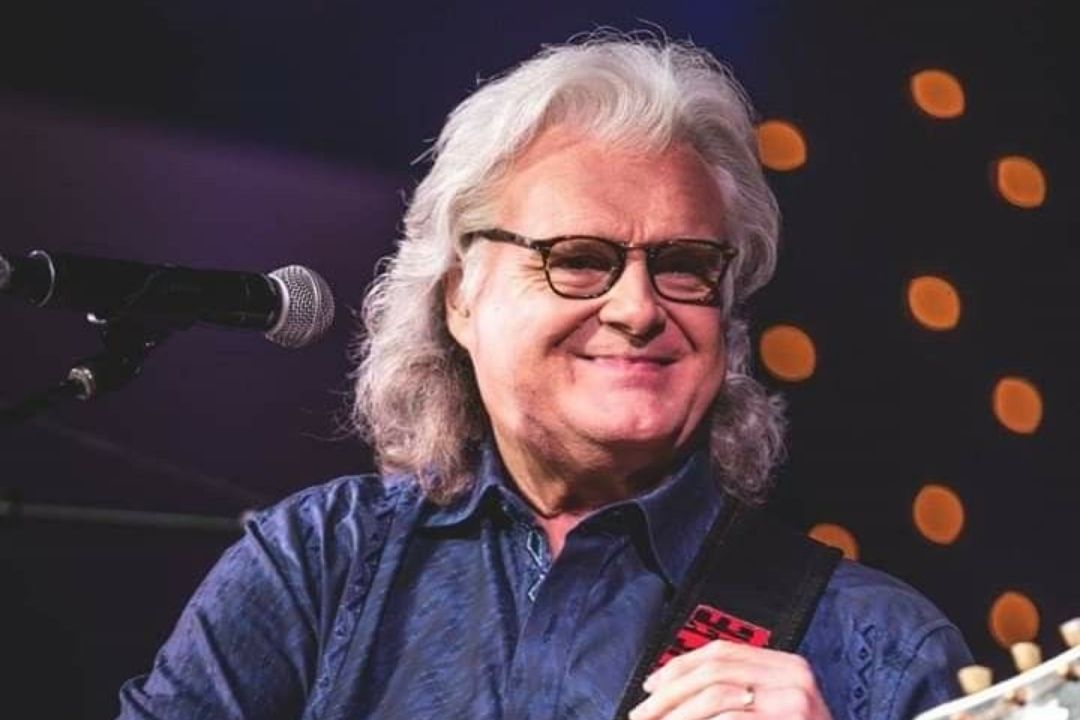
About the song
“Crying My Heart Out Over You” is one of the most important songs in Ricky Skaggs’ career and a defining track in the evolution of 1980s country music. Originally written by Lester Flatt, Earl Scruggs, Carl Butler, and Earl Sherry, the song first appeared as a bluegrass recording by Flatt and Scruggs in 1960. However, it was Ricky Skaggs’ 1981 version that transformed it into a mainstream country hit and helped usher in a new era of traditional country sounds during a time when the genre was leaning heavily towards pop influences.
When Ricky Skaggs decided to record Crying My Heart Out Over You, he was already known as a gifted multi-instrumentalist and a key figure in the bluegrass world. However, he wanted to bring the raw authenticity of bluegrass into modern country music. His version of the song combined the traditional instrumentation and heartfelt storytelling of classic bluegrass with the polished production of contemporary country. The result was a track that honored its roots while appealing to a broader audience.
Musically, Crying My Heart Out Over You is a perfect blend of tradition and innovation. The song features prominent fiddle and mandolin parts, instruments that were central to Skaggs’ musical identity and to the bluegrass genre as a whole. The arrangement is simple yet rich, allowing the emotional weight of the lyrics to shine through. Skaggs’ high, lonesome tenor voice carries the song with both vulnerability and strength, capturing the pain of heartbreak and longing that the lyrics convey. His interpretation gives the song a sense of sincerity that connects deeply with listeners.
Lyrically, the song is a classic country tale of love and loss. It tells the story of a narrator who has been left behind, crying his heart out over a love that has gone away. Lines such as “I don’t know how much longer I can stand / The pain and the sorrow you’ve caused by leaving me” express a universal feeling of heartbreak that resonates across generations. Skaggs’ emotional delivery makes the story feel personal, as if he is sharing his own experience of loss.
Upon its release in late 1981 as part of Skaggs’ album Waitin’ for the Sun to Shine, the song quickly climbed the charts. In early 1982, Crying My Heart Out Over You reached number one on the Billboard Hot Country Singles chart, marking Ricky Skaggs’ first chart-topping hit. This success was a turning point in his career, establishing him as a major force in country music and helping to define the neo-traditionalist movement that would dominate the genre throughout the 1980s.
The impact of the song went beyond commercial success. At a time when many country artists were adopting pop-influenced sounds, Ricky Skaggs’ decision to bring a traditional bluegrass song to the top of the charts signaled a shift back toward the roots of country music. His version of Crying My Heart Out Over You showed that audiences still craved authenticity and that traditional sounds could thrive in the mainstream. This opened the door for other artists like George Strait, Randy Travis, and Dwight Yoakam, who would later carry the neo-traditionalist torch.
The song also showcased Skaggs’ versatility as a musician and his dedication to preserving and innovating within the bluegrass and country traditions. His ability to take a classic bluegrass tune and reimagine it for a modern country audience demonstrated both respect for the past and a vision for the future. This balance became a hallmark of his career and earned him critical acclaim.
Over the years, Crying My Heart Out Over You has remained one of Ricky Skaggs’ signature songs. It continues to be celebrated for its emotional depth, beautiful instrumentation, and historical significance. The track also helped Waitin’ for the Sun to Shine become a landmark album, earning Skaggs widespread recognition and several awards, including the Country Music Association’s Male Vocalist of the Year in 1982.
In summary, Ricky Skaggs’ Crying My Heart Out Over You is more than just a hit single; it is a pivotal moment in the history of country music. By blending traditional bluegrass elements with contemporary country production, Skaggs created a version that was both timeless and innovative. The song’s heartfelt lyrics, emotional delivery, and cultural impact have secured its place as a classic. It stands as a testament to Ricky Skaggs’ artistry and his role in bringing traditional country music back into the spotlight during a transformative era.