
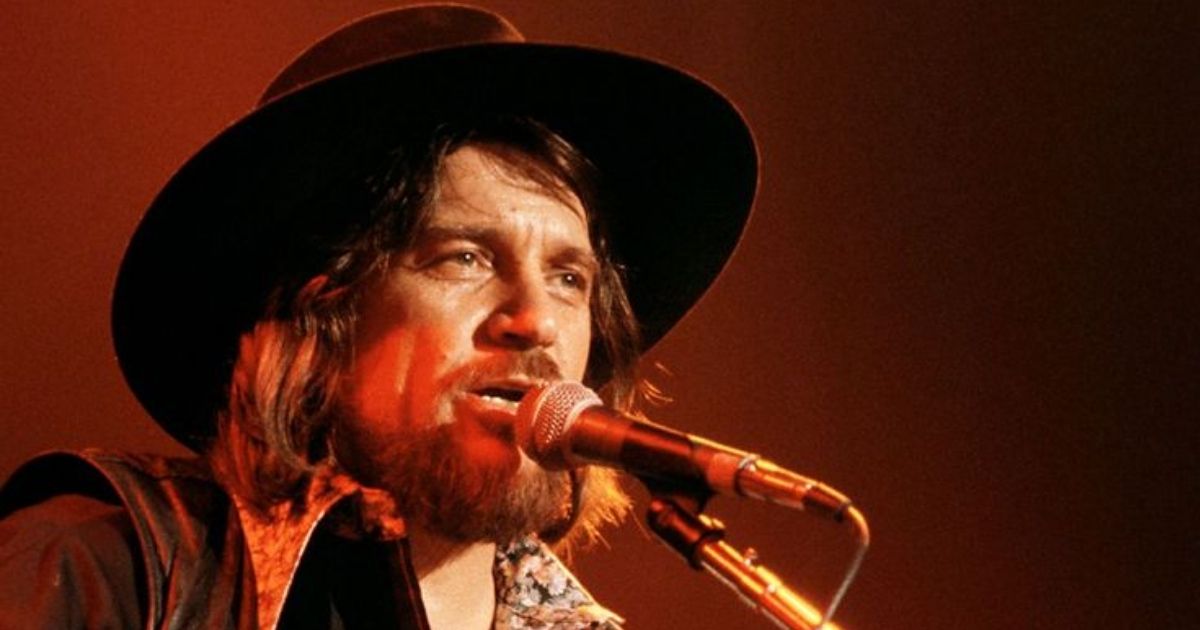
About the song
Waylon Jennings remains one of the most influential figures in country music history, remembered not only for his deep, commanding voice but also for his role as a central figure in the Outlaw Country movement of the 1970s. Among the many songs that helped define both his career and the larger cultural shift in country music, “Lonesome, On’ry and Mean” stands as a powerful anthem of defiance, independence, and authenticity. Released in 1973 as the title track of his landmark album, the song embodies the rebellious spirit that Jennings became known for and represents a turning point in his artistic journey.
The song was written by Steve Young, an American singer-songwriter whose work often explored themes of loneliness, freedom, and the rugged life of the American drifter. When Jennings recorded “Lonesome, On’ry and Mean,” he infused it with his own personal struggles and experiences, transforming it from a simple composition into a declaration of identity. At the time, Jennings was frustrated with the restrictions of the Nashville music industry, which often forced artists into polished, formulaic recordings. This song, with its raw energy and unapologetic lyrics, was his way of reclaiming his voice and carving out a new path.
Musically, “Lonesome, On’ry and Mean” reflects the core sound of the Outlaw movement: stripped-down production, electric guitars, and a driving rhythm that owed as much to rock and roll as it did to traditional country. The arrangement is gritty and unpolished, a deliberate rejection of the smooth, orchestrated Nashville sound. Jennings’s baritone voice cuts through with authority, carrying the weight of the lyrics in a way that feels both personal and universal. His delivery communicates not only the content of the song but also the conviction behind it.
Thematically, the song is about the life of a restless wanderer—a man who lives on his own terms, often misunderstood, and unwilling to conform to societal expectations. The words “lonesome, on’ry and mean” describe someone who is hardened by life’s difficulties, fiercely independent, and unapologetic about who they are. It’s a portrait of a man who might be seen as rough or rebellious, but also deeply human, shaped by experiences of hardship and solitude. For Jennings, who had struggled with personal demons, battles with addiction, and constant tension with the music establishment, the lyrics felt like a mirror of his own existence.
What makes the song so powerful is its honesty. Unlike many country songs of the time, which leaned heavily on sentimental storytelling or romantic themes, “Lonesome, On’ry and Mean” does not attempt to soften its edges. It embraces imperfection, even celebrates it. In doing so, it connected with a wide audience of listeners who felt alienated by mainstream culture and longed for music that reflected real life in all its grit and complexity.
The impact of the song on Waylon Jennings’s career was monumental. It became one of the defining tracks that positioned him as a leader of the Outlaw movement, alongside artists like Willie Nelson, Kris Kristofferson, and Johnny Cash. By recording “Lonesome, On’ry and Mean,” Jennings sent a clear message to Nashville and to his fans: he would no longer be confined by the traditional boundaries of country music. Instead, he would create music that was true to himself, no matter the risks. This spirit of rebellion resonated with an entire generation of listeners and opened the door for greater artistic freedom in country music as a whole.
Beyond its historical role, the song has also endured as a timeless piece of art. Its themes of loneliness, defiance, and individuality continue to strike a chord with listeners decades after its release. Whether one identifies with the struggles of a wandering soul, the frustrations of being misunderstood, or the desire to live authentically, “Lonesome, On’ry and Mean” offers a voice for those feelings. It’s not just a song about Waylon Jennings’s life—it’s a universal anthem for anyone who has felt like an outsider.
Critics often point to the song as a turning point in Jennings’s sound and image. Before this period, his music often reflected the heavily produced style typical of Nashville’s mainstream country. But with “Lonesome, On’ry and Mean,” he established the foundation for the rugged, independent style that would define the rest of his career. It paved the way for future hits such as “Good Hearted Woman” and “Are You Sure Hank Done It This Way,” further solidifying his role as a trailblazer.
In conclusion, “Lonesome, On’ry and Mean” is far more than a song—it is a manifesto of independence and authenticity. It captures the essence of Waylon Jennings not only as a musician but as a cultural icon who refused to bow to convention. With its gritty sound, honest lyrics, and fearless delivery, the track became both a personal statement and a rallying cry for the Outlaw Country movement. Decades later, it remains one of Jennings’s most celebrated works, embodying the enduring appeal of music that speaks the truth, even when it’s rough around the edges. For fans of country music, “Lonesome, On’ry and Mean” is not just a classic—it’s a defining moment in the history of the genre.