
About the song
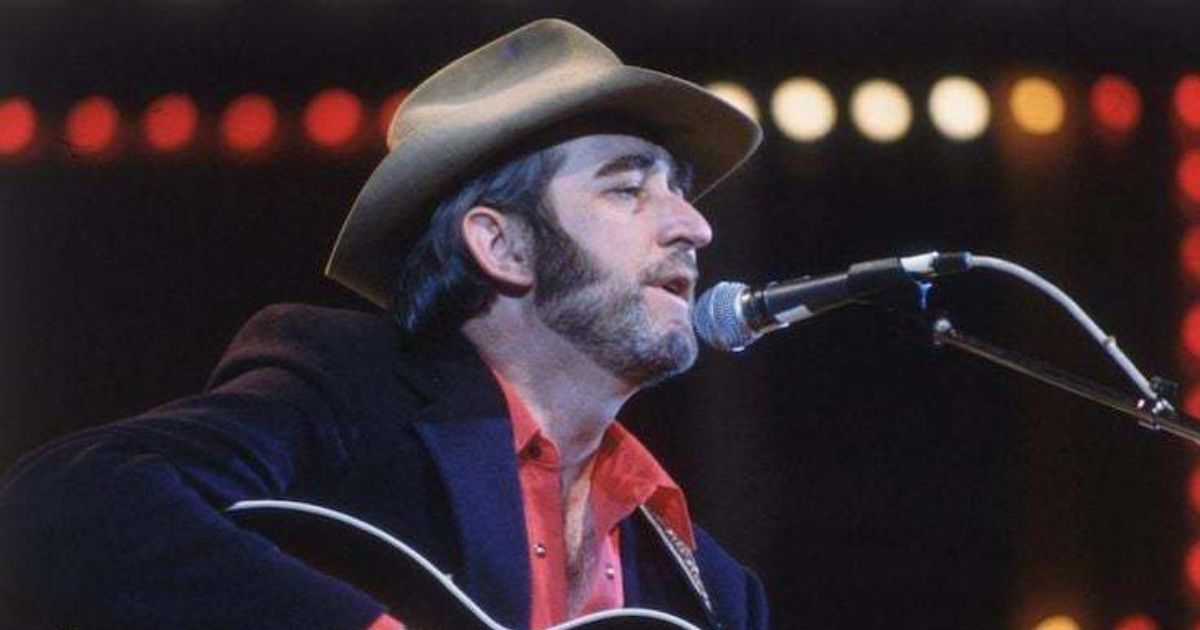
Don Williams, known across the world as the “Gentle Giant” of country music, was an artist who built his career on sincerity, warmth, and the ability to connect with listeners on a deeply personal level. Among the many remarkable songs he recorded, “Good Ole Boys Like Me” is one of the most iconic and enduring. Released in 1980 on his album Portrait, the track became a signature song for Williams, reflecting not only his unique vocal style but also the themes of identity, memory, and Southern culture that resonated strongly with his audience.
“Good Ole Boys Like Me” is not just a love song or a simple ballad; it is a narrative about growing up, about the cultural environment that shapes people, and about the search for belonging. Written by Bob McDill—one of the most respected songwriters in country music—the song stands as a masterpiece of lyrical storytelling. McDill’s words, combined with Williams’s tender delivery, result in a song that feels both nostalgic and philosophical, personal yet universal.
At its core, the song is about a man reflecting on his upbringing in the South of the United States, surrounded by voices, music, literature, and traditions that left a permanent mark on his identity. The narrator describes growing up listening to Tennessee Williams, Hank Williams, and other cultural influences. These references highlight the unique mixture of high art, popular music, and folk tradition that shaped Southern boys of that era. By weaving in these details, the song does more than recount personal memories—it captures an entire cultural atmosphere, one that many listeners can identify with.
Musically, “Good Ole Boys Like Me” is simple yet effective, in line with Don Williams’s signature style. The instrumentation relies on acoustic guitar, gentle rhythm, and subtle harmonies. There is no excess, no attempt at overpowering the listener. Instead, the arrangement creates a soft, reflective space that allows the lyrics and Williams’s warm baritone voice to carry the emotional weight. This restrained musical approach is precisely what makes the song timeless. It does not chase trends or rely on flashy production; it relies on authenticity.
Thematically, the song addresses identity in a very profound way. The narrator acknowledges the struggles and imperfections of his background, including mentions of whiskey and personal flaws, but ultimately accepts them as part of who he is. This honesty is what makes the song relatable—every listener can reflect on their own roots, both the good and the difficult, and recognize that those experiences shape the person they become. “Good Ole Boys Like Me” is not a glorification of the past; it is an honest, balanced reflection on it.
One of the most striking aspects of the song is how it captures the tension between nostalgia and critical self-awareness. The narrator recognizes the beauty of Southern culture, its music, and its stories, but also acknowledges some of the hardships that came with growing up in that environment. This complexity prevents the song from becoming overly sentimental. Instead, it achieves a rare balance between affection and realism, which is why it continues to resonate with audiences more than four decades after its release.
Don Williams’s performance of the song elevates it to another level. His calm, soothing voice gives the impression of a man sharing his life story with honesty and humility. Unlike singers who rely on vocal power or dramatic flair, Williams uses restraint. He draws the listener in, almost like a trusted friend speaking directly to the heart. This intimacy is one of the reasons “Good Ole Boys Like Me” remains unforgettable.
The cultural impact of the song is also worth noting. It became one of Williams’s most requested songs and has been praised as one of the greatest examples of country music storytelling. Many fans and critics consider it not only one of Williams’s best recordings but also one of the finest country songs ever written. Its themes of memory, identity, and cultural belonging make it stand apart from typical love songs or party anthems—it has intellectual and emotional depth that continues to spark reflection among listeners.
Moreover, the song highlights the fruitful collaboration between Don Williams and Bob McDill. McDill wrote many of Williams’s hits, and their artistic partnership produced some of the most enduring works in country music. “Good Ole Boys Like Me” is perhaps the pinnacle of this collaboration, combining McDill’s poetic lyrics with Williams’s warm delivery to create something timeless.
In conclusion, “Good Ole Boys Like Me” is more than just a song—it is a cultural reflection, a personal story, and a piece of American history preserved in music. Through its honest lyrics, gentle melody, and heartfelt performance, it speaks to universal themes of identity, belonging, and the ways our upbringing shapes us. Don Williams’s interpretation makes the song deeply personal while allowing every listener to find their own story within it. For longtime fans and new listeners alike, “Good Ole Boys Like Me” remains a shining example of why Don Williams is celebrated as one of the greatest voices in country music.