
About the song
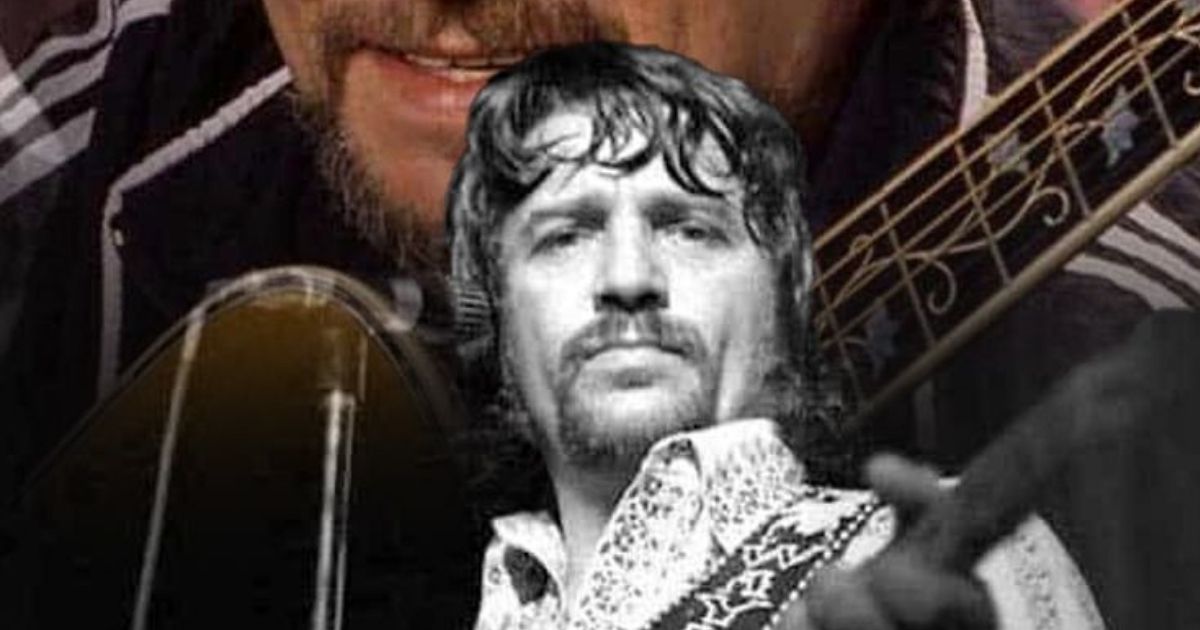
Waylon Jennings, a towering figure in country music and one of the most iconic voices of the Outlaw movement, built his career around defiance, honesty, and authenticity. His songs were never just products of the Nashville system—they were lived experiences, expressions of freedom, and testaments to a restless spirit. Among the tracks that highlight his unyielding individuality, “Wild Ones” stands as a particularly meaningful piece. It captures not only Jennings’s personal philosophy but also the larger cultural movement he helped define during the 1970s and 1980s.
“Wild Ones” is a song that celebrates the untamed, the misunderstood, and the fiercely independent. In many ways, it can be read as an anthem for the outlaws of country music and for anyone who has chosen to live life outside the expectations of society. Jennings, who often resisted the polished, formula-driven sound of Nashville, found in “Wild Ones” a vehicle for expressing the heart of the movement he embodied. It is a song about freedom, rebellion, and the pride of standing apart from the mainstream.
The track is built around themes that Jennings returned to throughout his career: personal independence, rejection of conformity, and the value of authenticity over popularity. By declaring solidarity with the “wild ones,” Jennings positions himself among people who refuse to be tamed by rules, traditions, or cultural expectations. In doing so, he not only defines his own identity but also gives a voice to countless fans who felt alienated by the polished perfection of mainstream country music.
Musically, “Wild Ones” reflects the raw energy that characterized much of Jennings’s work in the Outlaw era. Unlike the lush, orchestrated Nashville sound of the 1960s, Jennings embraced a stripped-down, rock-influenced style that emphasized guitars, steady rhythms, and unfiltered vocals. The instrumentation is direct and powerful, complementing the song’s lyrical message of untamed individuality. Jennings’s baritone voice, with its natural grit and authority, gives the song a sense of conviction that few other artists could match. It is not simply a performance; it feels like a statement of truth.
The lyrics of “Wild Ones” are particularly striking because they move beyond simple storytelling and instead offer a reflection on identity. Rather than painting a picture of one character or situation, the song uses the idea of the “wild ones” as a broader metaphor for those who cannot and will not conform. This creates an inclusive anthem, one that resonates with bikers, rebels, artists, drifters, and anyone who has ever resisted the urge to fit in. Jennings, who lived much of his life on his own terms—whether in battles with record labels, struggles with personal demons, or his constant pursuit of musical freedom—embodied this archetype completely.
Historically, “Wild Ones” should also be understood in the context of Jennings’s career and the Outlaw Country movement. By the time he recorded the song, Jennings had already broken away from Nashville’s rigid studio system. He demanded creative control over his recordings, chose his own musicians, and insisted on producing music that reflected his vision rather than that of record executives. “Wild Ones” is both a reflection of this independence and a celebration of the community of artists, fans, and cultural outsiders who supported and shared that vision.
The song also has a deeper philosophical layer. While it celebrates rebellion, it also acknowledges the cost of living outside the lines. To be a “wild one” is to accept loneliness, misunderstanding, and the constant challenge of being at odds with mainstream society. Yet Jennings does not present this life as tragic; instead, he sings it with pride, as if to say that the struggles of independence are worth more than the comfort of conformity. This balance of honesty and defiance is what gives the song its enduring power.
For listeners, “Wild Ones” has always carried a sense of empowerment. It reassures those who feel like outsiders that there is dignity and beauty in living authentically, even if it means being misunderstood. At the same time, it gives a glimpse into Jennings’s personal journey—his frustrations with Nashville, his battles with control, and his determination to remain true to himself no matter the cost. In many ways, it is a musical autobiography as much as it is a cultural anthem.
In conclusion, “Wild Ones” is more than just a country song—it is a statement of philosophy, a cultural declaration, and a deeply personal reflection of Waylon Jennings’s life and legacy. It represents everything that made him a leader of the Outlaw movement: independence, authenticity, and an unshakable commitment to truth in music. Decades after its release, the song continues to resonate with those who see themselves as outsiders, rebels, or dreamers. For anyone seeking to understand Waylon Jennings—not just as an artist, but as a symbol of resistance in country music—“Wild Ones” is an essential piece of the puzzle. It is a reminder that sometimes the most powerful songs are those that dare to celebrate the untamed spirit within us all.