
About the song
Background of The Collins Kids
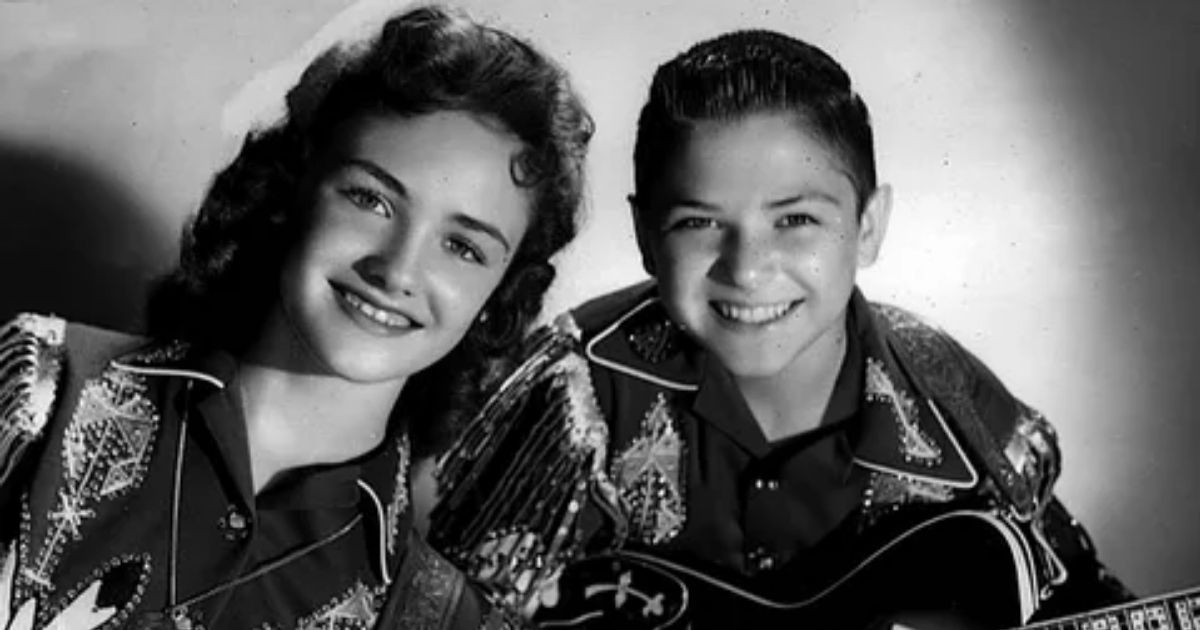
The Collins Kids were an American rockabilly duo composed of Lawrencine “Lorrie” Collins and her younger brother Lawrence “Larry” Collins. Rising to prominence during the 1950s, they became widely known for their high-energy performances, sibling harmonies, and youthful charm. Lorrie, born in 1942, was the lead vocalist, while Larry, born in 1944, was a guitar prodigy whose flashy style and miniature double-neck Mosrite guitar earned him attention at a very young age.
The duo was discovered on the popular television program Town Hall Party, a Southern California-based country music show, and later appeared on Tex Ritter’s Ranch Party. These TV appearances made them household names, particularly among teenagers fascinated with the emerging rockabilly sound that fused country, rhythm and blues, and early rock ’n’ roll.
Origins of Saint Louis Woman
“Saint Louis Woman” was one of the songs performed by The Collins Kids during their career, showcasing their distinctive blend of country twang, rockabilly rhythm, and youthful enthusiasm. The track is rooted in the tradition of American blues and jazz standards referencing St. Louis as a city of cultural and musical significance. Earlier songs, such as “St. Louis Blues” by W.C. Handy, had already established St. Louis as a symbolic center of longing, romance, and heartbreak in American popular music.
While the Collins Kids’ rendition of “Saint Louis Woman” took inspiration from these traditions, they infused it with their own lively rockabilly spirit. This gave the song a fresh spin, appealing to the young audiences of the 1950s who were hungry for something new and energetic, yet still rooted in familiar storytelling traditions of love, loss, and longing.
Musical Style and Arrangement
The Collins Kids’ version of “Saint Louis Woman” demonstrates their hallmark style:
Lorrie Collins’ vocals carried both sweetness and strength, blending the purity of traditional country singing with the emotional inflections of rhythm and blues. Her delivery gave the song a sense of authenticity, even when dealing with themes of heartbreak or romantic entanglement.
Larry Collins’ guitar work was flashy, fast, and technically impressive for his age. He often incorporated rockabilly licks, walking bass lines, and rhythmic strumming that pushed the energy of the performance far beyond the typical country ballad.
Together, the siblings created a dynamic performance that blended country, rockabilly, and blues. The song typically featured a strong backbeat, upright bass, and steel guitar elements that kept it anchored in the country tradition while still appealing to fans of the new rock ’n’ roll movement.
Lyrical Themes
Like many American songs referencing St. Louis, “Saint Louis Woman” explores the archetype of a woman whose beauty, charm, and emotional power leave a lasting impression on the singer. The lyrics typically convey both admiration and a touch of lament, suggesting a romance that is either longed for or has already slipped away.
This theme resonated strongly in mid-20th century American music, where urban settings like St. Louis, New Orleans, and Memphis were frequently invoked as symbolic landscapes of love, desire, and emotional drama. The Collins Kids took this lyrical tradition and repackaged it in a youthful, rockabilly context, making it accessible to teenagers who might not have been drawn to older blues or jazz interpretations of similar themes.
Reception and Performance Style
While “Saint Louis Woman” may not have been one of The Collins Kids’ biggest charting hits, it exemplified the qualities that made them popular: energetic performances, sibling chemistry, and the blending of country tradition with the rebellious edge of rockabilly.
Their live renditions of the song often stood out more than studio recordings because of their onstage charisma. Larry’s animated guitar playing and youthful antics, combined with Lorrie’s confident stage presence, created a lively spectacle. This visual and musical dynamism was essential in an era when television was becoming a dominant medium for launching music careers.
Cultural Significance
The Collins Kids’ interpretation of “Saint Louis Woman” highlights the cultural crossroads of the 1950s:
Country music was expanding beyond rural audiences.
Rockabilly was beginning to take shape as a genre that would soon influence Elvis Presley, Johnny Cash, and Jerry Lee Lewis.
Female performers like Lorrie Collins were carving out space in a male-dominated industry, showing that women could deliver powerful and commanding performances.
By incorporating a song with roots in blues and jazz traditions into their repertoire, The Collins Kids demonstrated their versatility and awareness of American musical heritage, while also modernizing it for a new generation.
Legacy
Today, “Saint Louis Woman” by The Collins Kids is remembered not so much as a commercial hit, but as part of their dynamic catalog that reflected the energy and experimentation of early rockabilly music. The song contributes to their legacy as innovators who helped bridge the gap between traditional country and emerging rock ’n’ roll.
The Collins Kids’ influence continues to be recognized by rockabilly enthusiasts and historians. Larry’s guitar playing and Lorrie’s vocal power made them pioneers who inspired later artists to experiment with blending genres. “Saint Louis Woman” stands as a testament to their ability to reinterpret traditional themes with youthful vigor, ensuring their place in the history of American roots music.
Conclusion
“Saint Louis Woman” by The Collins Kids is more than just a performance of a popular standard—it represents the energy, creativity, and boundary-pushing spirit of the rockabilly movement. Through Lorrie’s heartfelt vocals and Larry’s dazzling guitar skills, the song bridged older blues traditions with the youthful excitement of 1950s rock ’n’ roll.
Though not their most famous track, it encapsulates the duo’s artistry and significance, reminding us why The Collins Kids remain an important name in American country and rockabilly history.