
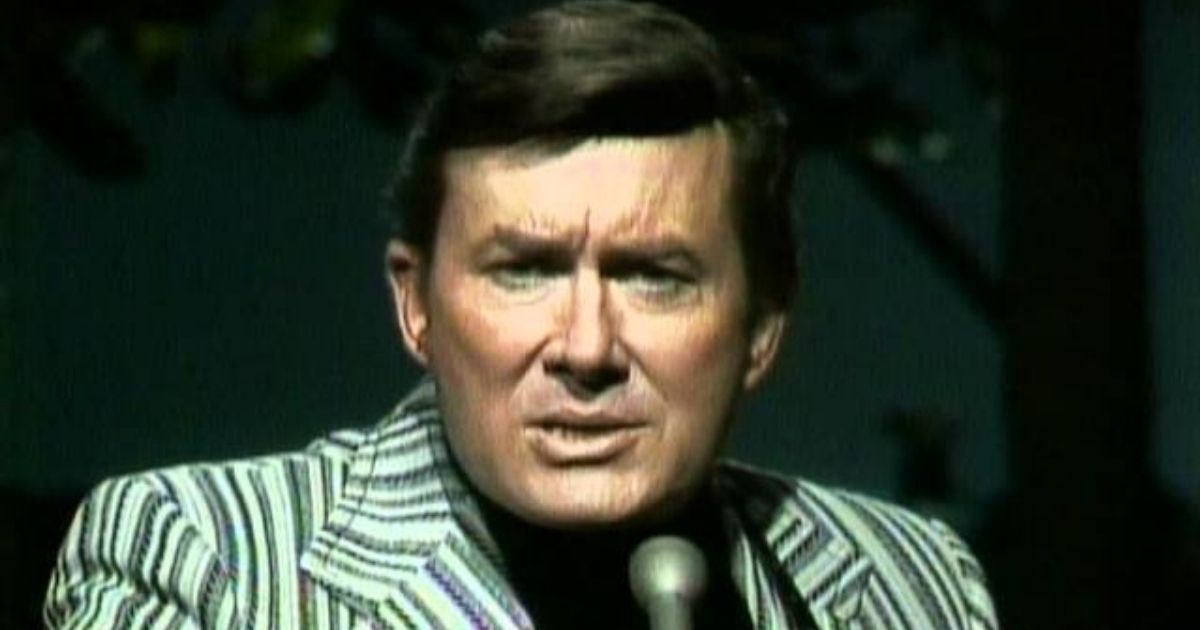
About the song
Background and Release
Don Gibson, known as “The Sad Poet” for his emotionally charged songwriting, was already a legendary figure in country music by the time he recorded “Woman (Sensuous Woman).” Released in 1972, the song became one of his most successful later-career hits. Written by Gary S. Paxton, a versatile songwriter and producer known for crafting both gospel and secular hits, the track provided Gibson with a resurgence of popularity during the 1970s.
“Woman (Sensuous Woman)” climbed to the top of the Billboard Hot Country Singles chart, marking another number one hit for Gibson, whose earlier classics included “Oh Lonesome Me” and “I Can’t Stop Loving You.” While Gibson’s career had already spanned nearly two decades by this point, the song proved that he could still capture the attention of audiences with his smooth baritone voice and heartfelt delivery.
Songwriting and Themes
At its heart, “Woman (Sensuous Woman)” is a celebration of female beauty, allure, and emotional depth. The song paints a picture of a man deeply captivated by the sensuality and magnetism of a woman, not just in terms of physical attraction but also in the warmth, tenderness, and mystery that define her presence.
Gary S. Paxton’s lyrics strike a delicate balance: the word “sensuous” conveys more than physical passion—it suggests sophistication, softness, and emotional richness. Unlike some songs of the era that leaned heavily into overt sexuality, “Woman (Sensuous Woman)” approaches the subject with reverence and admiration. Gibson’s delivery enhances this interpretation, bringing a sense of sincerity and depth that transforms the song into a tribute rather than a mere romantic plea.
Musical Style and Arrangement
Musically, the track embodies the classic Nashville sound of the 1970s, blending traditional country elements with smoother, polished arrangements designed to appeal to both country purists and a wider radio audience.
The instrumentation includes gentle acoustic strumming, subtle steel guitar flourishes, and a steady rhythm section that gives the song a slow, almost hypnotic feel. The tempo is unhurried, allowing Gibson’s rich baritone to fully inhabit the emotional space of the lyrics. His phrasing is deliberate, caressing each line in a way that emphasizes the admiration he feels for the woman described.
Unlike the more uptempo or storytelling-driven country songs of the time, “Woman (Sensuous Woman)” is intimate and focused, its simplicity reinforcing its sincerity.
Don Gibson’s Vocal Performance
One of the hallmarks of Don Gibson’s artistry was his ability to sing with both strength and vulnerability, and “Woman (Sensuous Woman)” is a perfect showcase of this quality. His voice, deep and resonant, conveys not just passion but also awe. There is a softness in his delivery that mirrors the tenderness of the lyrics, creating a balance between masculine strength and emotional openness.
This vocal approach distinguishes the song from many others of its era, which often portrayed love and desire in more straightforward, rugged terms. Gibson instead invites the listener into a private space of admiration and reverence, making the song feel personal and universal at the same time.
Reception and Success
Upon its release, “Woman (Sensuous Woman)” quickly gained popularity, reaching number one on the U.S. country charts in 1972. This success was significant for Gibson, as it reaffirmed his relevance in a rapidly changing musical landscape. The early 1970s saw the rise of outlaw country and crossover styles, but Gibson’s traditional approach still resonated with audiences.
The song became one of his last major hits, standing as a late-career triumph in a body of work that had already profoundly influenced country music. It also expanded his repertoire beyond the themes of loneliness and heartbreak that had earned him the nickname “The Sad Poet.”
Cultural and Emotional Impact
“Woman (Sensuous Woman)” carried cultural resonance in an era when country music was beginning to explore more varied themes of love, desire, and identity. By presenting sensuality in a dignified, poetic manner, the song helped normalize more open discussions of intimacy in country lyrics without resorting to crudeness or shock value.
Listeners connected with the song because it celebrated women not only as objects of desire but also as beings of emotional and spiritual depth. The respectful tone made it stand out from other romantic songs of its time. It also resonated with female listeners, who appreciated hearing admiration expressed with warmth rather than objectification.
Legacy
Today, “Woman (Sensuous Woman)” remains one of Don Gibson’s most memorable recordings from the latter part of his career. While he will always be best remembered for groundbreaking self-penned classics like “Oh Lonesome Me” (1957) and “I Can’t Stop Loving You” (1958), this song demonstrates his versatility and ability to interpret material written by others with the same emotional power.
The track continues to be included in compilations of classic country hits from the 1970s, and it is often cited as a prime example of Gibson’s vocal maturity and ability to adapt to changing times without losing his artistic integrity.
Conclusion
Don Gibson’s “Woman (Sensuous Woman)” is more than just a love song—it is a respectful and heartfelt tribute to the beauty, mystery, and depth of womanhood. With its gentle arrangement, thoughtful lyrics, and Gibson’s masterful vocal delivery, the song stands out as one of his finest achievements of the 1970s.
Its success reaffirmed Gibson’s enduring influence in country music and showcased his ability to bring sincerity and emotional weight to every performance. Decades later, the song remains a timeless reminder of how great country music can capture not only the hardships of life but also its most tender and reverent moments.