
About the song
Background of the Song
“I Can’t Stop Loving You” is one of the most enduring love ballads in the history of American popular music. Originally written and recorded by Don Gibson in 1957, the song became a standard that crossed musical genres, embraced by country, pop, and soul audiences alike. Perhaps the most famous version remains Ray Charles’s 1962 rendition, which reached No. 1 on the Billboard Hot 100 and became an international hit.
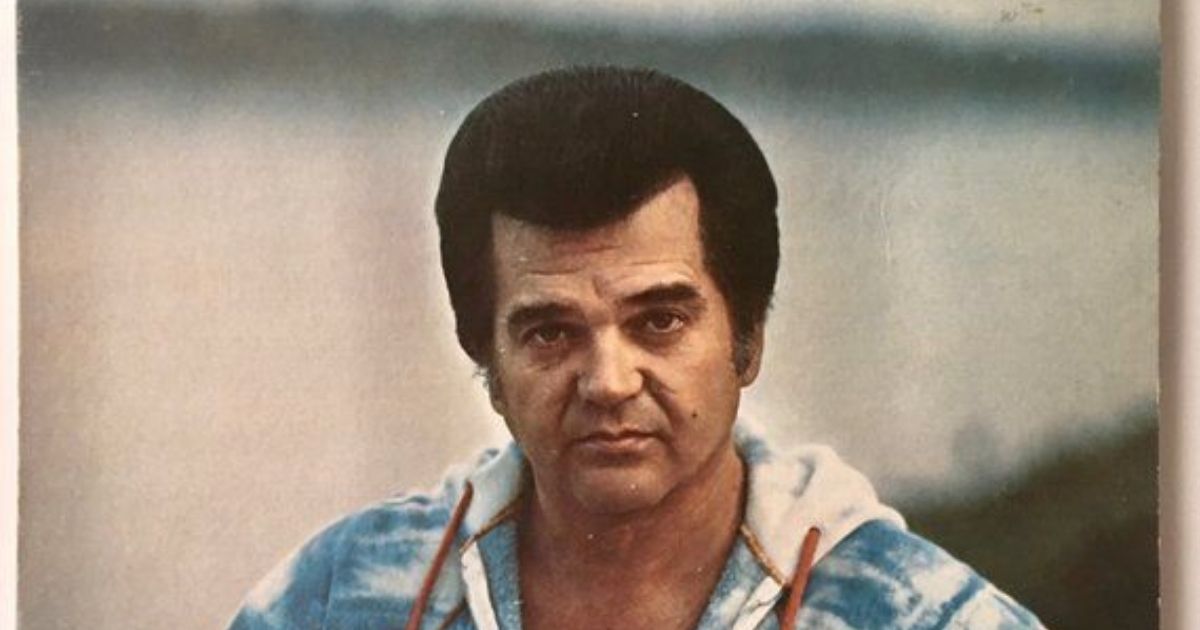
However, the song has also been interpreted by a wide range of country artists, and among these, Conway Twitty’s version stands out for its emotional depth and stylistic authenticity. Twitty, one of the most successful country singers of all time, was known for his velvety baritone voice, romantic ballads, and ability to capture the emotional heart of a song. His interpretation of “I Can’t Stop Loving You” reflects both his deep connection to country traditions and his skill in transforming familiar songs into powerful personal statements.
Conway Twitty and His Place in Country Music
Conway Twitty, born Harold Lloyd Jenkins in 1933, enjoyed a remarkable career that spanned rock ’n’ roll, rockabilly, and country music. After initially finding success as a rock ’n’ roll singer in the late 1950s with hits like “It’s Only Make Believe”, Twitty transitioned into country music in the mid-1960s. From there, he became one of the genre’s most consistent hitmakers, scoring over 50 No. 1 country singles.
Known for songs like “Hello Darlin’”, “You’ve Never Been This Far Before”, and “Linda on My Mind”, Twitty carved out a reputation as the “High Priest of Country Music Love Songs.” His recordings often emphasized themes of romance, heartbreak, and longing. It is within this context that “I Can’t Stop Loving You” found a natural home in his repertoire.
Twitty’s Interpretation of “I Can’t Stop Loving You”
While Don Gibson’s original and Ray Charles’s soul-infused cover each carried their own emotional weight, Conway Twitty’s rendition is particularly notable for its smooth, controlled, and deeply heartfelt delivery. His voice lends itself perfectly to the song’s central theme: the inability to let go of a past love despite the pain it causes.
Vocal delivery: Twitty’s baritone voice is both tender and commanding. He avoids excessive ornamentation, instead letting the sincerity of the lyrics shine through. His delivery communicates not just sadness, but also resignation, as if the singer has come to terms with the permanence of his feelings.
Musical arrangement: Twitty’s version typically leans into a traditional country arrangement, with steel guitar flourishes, gentle fiddle accents, and steady rhythm guitar. These elements anchor the song firmly in the country tradition while maintaining its universal emotional appeal.
Emotional resonance: Unlike Ray Charles’s gospel-tinged explosion of emotion, Twitty’s take is quieter and more intimate, almost as if he is speaking directly to one person. This intimacy made his version resonate strongly with country audiences.
Themes of the Song
At its core, “I Can’t Stop Loving You” is a song of enduring, unshakable love. The lyrics reflect on the impossibility of forgetting someone who has left, and the pain of living with memories that cannot be erased.
Key themes include:
Love and loss: The singer acknowledges that the relationship is over, yet remains emotionally bound to the memory of their partner.
Acceptance of pain: Rather than denying or fighting against the heartbreak, the song conveys a quiet acceptance: “I can’t stop loving you, I’ve made up my mind.”
The permanence of memory: The lyrics underscore the way past relationships can leave indelible marks on one’s heart, even long after they’ve ended.
For country audiences, these themes were instantly relatable. Twitty’s interpretation reinforced the notion that love, with all its complexities, is one of life’s most universal struggles.
Reception and Legacy
Though Conway Twitty’s version of “I Can’t Stop Loving You” did not achieve the same chart-topping status as Ray Charles’s, it nonetheless played an important role in demonstrating the song’s versatility. Twitty’s recording showed that the song could be firmly at home in the country genre, where its themes of heartbreak and longing resonated with traditional audiences.
Twitty’s career as a whole was marked by his ability to take songs—whether originals or covers—and make them distinctly his own. His performance of “I Can’t Stop Loving You” is a prime example of this talent, as he honored the original while imbuing it with his own signature style. For fans of Twitty, the song became one more example of his gift for interpreting love ballads with both sincerity and emotional precision.
Broader Significance
The success of “I Can’t Stop Loving You” across so many genres—country, pop, and soul—demonstrates its timelessness. Conway Twitty’s version highlights the way country artists embraced the song as a natural fit for their storytelling tradition. His performance ensured that the song lived on within country circles, maintaining its relevance long after its initial burst of popularity.
In addition, Twitty’s rendition underscores his broader impact on country music. By choosing to record songs with universal themes, he contributed to the genre’s expansion beyond rural audiences, helping to cement country as a dominant force in American popular music.
Conclusion
Conway Twitty’s “I Can’t Stop Loving You” is more than just another cover of a classic—it is a heartfelt interpretation by one of country music’s most beloved voices. Through his smooth baritone, understated arrangement, and emotional sincerity, Twitty transformed the song into a country ballad that resonated deeply with fans of the genre.
While Ray Charles’s version may remain the most famous, Twitty’s rendition captures a different emotional register: quiet resignation, tender longing, and the enduring power of love that cannot be forgotten. It stands as a testament not only to the song’s universality, but also to Twitty’s unparalleled ability to breathe new life into timeless material.