
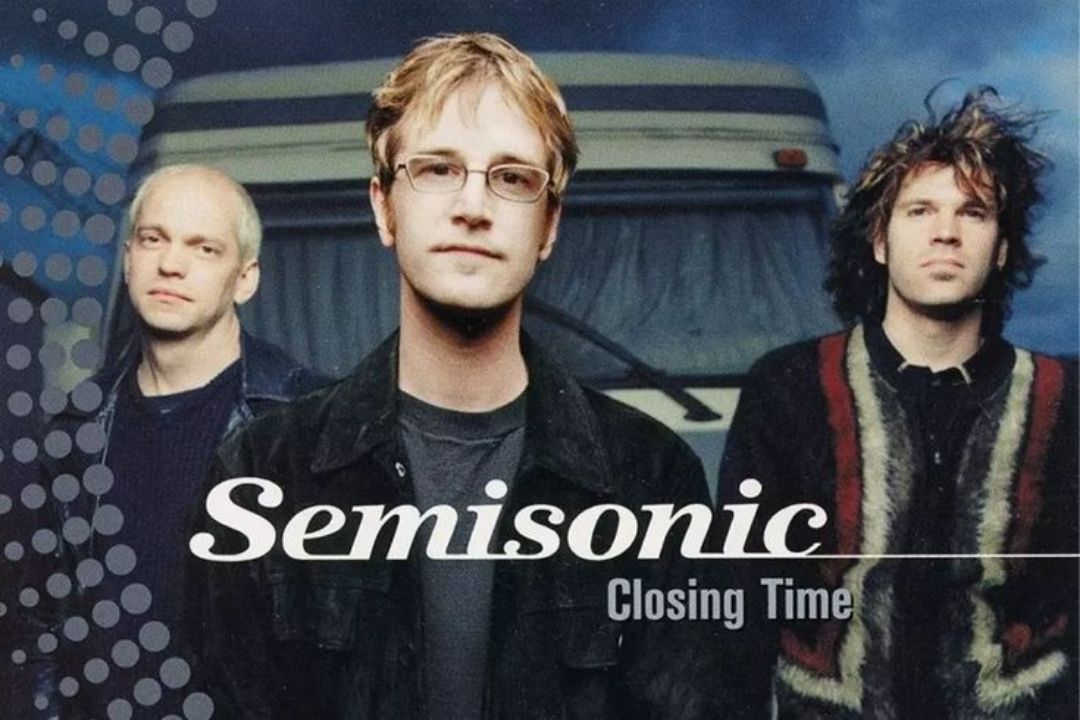
About the song
“Closing Time” by Semisonic
Released in 1998, “Closing Time” stands as the most iconic and commercially successful single by the American alternative rock band Semisonic. Featured on their second studio album, Feeling Strangely Fine, the song not only became a radio staple during the late 1990s but also achieved enduring cultural relevance, often used in films, TV shows, and public spaces to signal endings or transitions.
With its catchy melody, singalong chorus, and multi-layered lyrical meaning, “Closing Time” became much more than just a bar anthem; it turned into a bittersweet reflection on life’s transitions and new beginnings.
Background and Inspiration
“Closing Time” was written by Dan Wilson, the lead singer and guitarist of Semisonic. On the surface, the song is a straightforward depiction of closing time at a bar, with patrons being asked to leave as the night ends. However, as Wilson has explained in multiple interviews, the song carries a much deeper, more personal meaning.
At the time of writing, Wilson’s girlfriend was pregnant with their first child. Reflecting this, many of the lyrics in “Closing Time” were inspired by the imminent arrival of new life and the transitional phase of becoming a father. Lines like:
“Every new beginning comes from some other beginning’s end”
capture the emotional duality of endings and beginnings, making the song applicable to both literal and metaphorical “closing times.”
Musical Composition and Style
Musically, “Closing Time” fits neatly into the late-90s alternative rock and post-grunge landscape. The song is driven by a simple yet infectious guitar riff, complemented by upbeat drumming, steady basslines, and layered harmonies in the chorus.
The production, handled by Nick Launay, is clean and radio-friendly, designed to highlight Wilson’s clear vocal delivery and the song’s anthemic qualities. Clocking in at just over four minutes, the track builds from a mellow introduction to a full-blown singalong chorus, making it an ideal song for both radio play and live performances.
The chorus, with its repetitive and uplifting lines, encourages listener participation, making it a favorite at concerts, sporting events, and yes—bars at closing time.
Lyrics and Interpretation
While the song is often perceived as a literal ode to the end of a night out at a bar, deeper lyrical analysis reveals more profound themes of change, transition, and rebirth.
For example:
“Time for you to go out to the places you will be from”
This line metaphorically addresses stepping out of comfort zones, leaving familiar surroundings, and embracing unknown futures. Dan Wilson has said that much of the song reflects parental anticipation and anxiety, likening the bar patrons being pushed out into the night to a child being born into the world.
The universal message about new beginnings and embracing change is part of what has made the song so enduring. Its ambiguity allows listeners to project their own meanings onto it—whether it’s about graduation, the end of a relationship, leaving a job, or even literal closing time at a venue.
Chart Success and Commercial Performance
Upon its release, “Closing Time” quickly climbed the charts:
Peaking at #1 on the US Billboard Modern Rock Tracks chart
Reaching #11 on the Billboard Hot 100
Receiving significant airplay on Top 40 radio stations, adult contemporary, and alternative rock formats
The single became Semisonic’s biggest hit, earning a Grammy nomination for Best Rock Song in 1999.
The success of “Closing Time” also helped the parent album Feeling Strangely Fine achieve platinum status, bringing Semisonic into the mainstream spotlight.
Cultural Impact and Legacy
Over the years, “Closing Time” has appeared in a wide range of pop culture moments, from movies like “Friends with Benefits” to television series like “The Office” and “How I Met Your Mother.” It has also become a popular choice for high school and college graduation playlists, symbolizing both endings and exciting new beginnings.
Furthermore, the song is widely played in bars, clubs, and music venues around the world to signal the end of the night—a testament to the song’s lasting relevance.
Dan Wilson’s evolution as a songwriter, which eventually led to writing hits for artists like Adele (for example, “Someone Like You”), began to take shape with the depth and resonance found in songs like “Closing Time.”
Critical Reception
Critics have generally praised “Closing Time” for its catchy melody, singable chorus, and thoughtful lyrics. While some initially dismissed it as a simple pop-rock hit, its emotional layers and hidden meanings have earned it newfound appreciation over the years.
The song is now recognized not just as a relic of 1990s alternative rock but as a timeless piece with universal appeal.
Conclusion
In summary, “Closing Time” by Semisonic is much more than just a song about the end of a night at the bar. It’s a multi-layered anthem about life’s inevitable transitions, new beginnings, and moving forward. With its memorable melody, introspective lyrics, and widespread cultural presence, the song remains one of the most beloved and frequently played tracks from the late 1990s.
Whether listeners interpret it as a graduation theme, a farewell song, or a literal bar-closing anthem, “Closing Time” continues to resonate across generations.