
About the song
“Backwoods Barbie” is a distinctive and deeply revealing song by Dolly Parton, released in 2008 as the title track of her album Backwoods Barbie. Belonging primarily to the country music genre, the song blends traditional country sensibilities with a polished, contemporary sound, reflecting both Dolly’s musical roots and her long-standing ability to adapt without losing authenticity. More than just a catchy or playful title, “Backwoods Barbie” functions as a personal statement about identity, self-awareness, and the gap between public perception and inner reality.
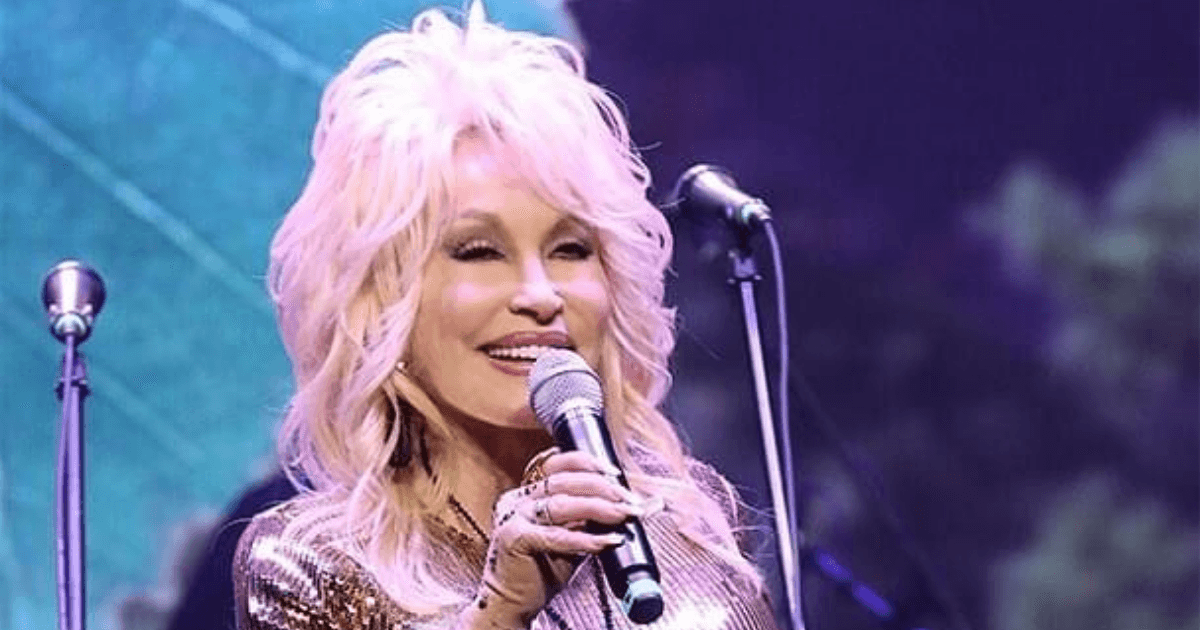
At its core, the song explores contrast. The phrase “Backwoods Barbie” itself combines two opposing images: the artificial perfection often associated with a Barbie doll and the raw, rural connotations of the backwoods. Dolly uses this contrast deliberately to describe her own life and career. On the surface, she is widely known for her glamorous appearance, exaggerated femininity, and colorful stage persona. However, beneath that carefully constructed exterior lies a woman shaped by humble beginnings, emotional depth, and hard-earned wisdom. The song gently challenges listeners to reconsider the assumptions they make about people based solely on appearance.
Lyrically, “Backwoods Barbie” is written with humor, honesty, and quiet confidence. Dolly acknowledges how she may look to the outside world, but she never apologizes for it. Instead, she embraces both sides of herself: the flashy performer and the grounded country girl. The song suggests that intelligence, sensitivity, and authenticity are not erased by glamour. In fact, they can coexist. This message is delivered without bitterness or defensiveness; instead, it feels self-aware and empowering, as if Dolly is smiling while telling her story, fully comfortable in her own skin.
Musically, the song carries a warm country feel, driven by guitar-based arrangements and a steady, mid-tempo rhythm. The production is smooth and accessible, aligning with mainstream country music of the late 2000s, yet it never feels detached from tradition. Dolly’s unmistakable voice remains the emotional anchor of the song. Her vocal performance is relaxed but expressive, conveying confidence rather than vulnerability, as though she is speaking from a place of long reflection and self-acceptance.
“Backwoods Barbie” also holds significance within Dolly Parton’s broader career. By the time of its release in 2008, Dolly was already a global icon with decades of success behind her. This song does not attempt to reinvent her image; instead, it reframes it. It feels like a response to years of public commentary, stereotypes, and misconceptions. Rather than rejecting her image, Dolly reclaims it, showing that what some may dismiss as superficial is, for her, a form of expression rather than a mask.
The song resonates strongly with listeners because its message extends far beyond Dolly’s personal story. Many people can relate to being misunderstood or judged by outward appearances, accents, backgrounds, or choices in self-expression. “Backwoods Barbie” speaks to anyone who has felt underestimated or reduced to a stereotype. It encourages pride in one’s roots while also affirming the right to dream bigger, appear differently, and define success on one’s own terms.
Another important aspect of the song is its quiet feminism. Without explicitly framing itself as a political or social statement, “Backwoods Barbie” asserts a woman’s right to complexity. It refuses the idea that femininity, beauty, or glamour negate intelligence or depth. Dolly does not ask to be taken seriously by shedding her image; she asks to be understood by being fully herself. That nuance is part of what gives the song lasting relevance.
Ultimately, “Backwoods Barbie” stands as a confident self-portrait rendered in music. Released in 2008 within the country tradition, it captures Dolly Parton at a stage in her life where reflection replaces doubt and self-definition replaces explanation. The song is playful without being shallow, personal without being defensive, and insightful without being heavy-handed. It invites listeners to look beyond surfaces, celebrate contradictions, and recognize that authenticity often lives in the space where expectations collide with reality.