
About the song
“They Killed Him” by Johnny Cash is one of the most solemn and spiritually charged songs in his vast catalog, standing as a reflective meditation on martyrdom, injustice, and the recurring human tendency to silence voices of peace. The song was released in 1982 on Cash’s album The Adventures of Johnny Cash, during a period when he was increasingly drawn to socially conscious, faith-driven material. In terms of genre, the song can be classified as country folk / folk rock with gospel and protest song influences, blending narrative songwriting with moral and spiritual inquiry.
At its core, “They Killed Him” is not a traditional story song about one individual, but a symbolic lament that connects several historical figures who shared a common fate. The lyrics reference spiritual and social leaders whose messages challenged power, prejudice, and violence, and who ultimately paid with their lives. Rather than focusing on detailed biography, the song distills these lives into shared ideals: peace, love, truth, and moral courage. This approach allows the song to function less as history and more as a universal reflection on humanity’s resistance to change.
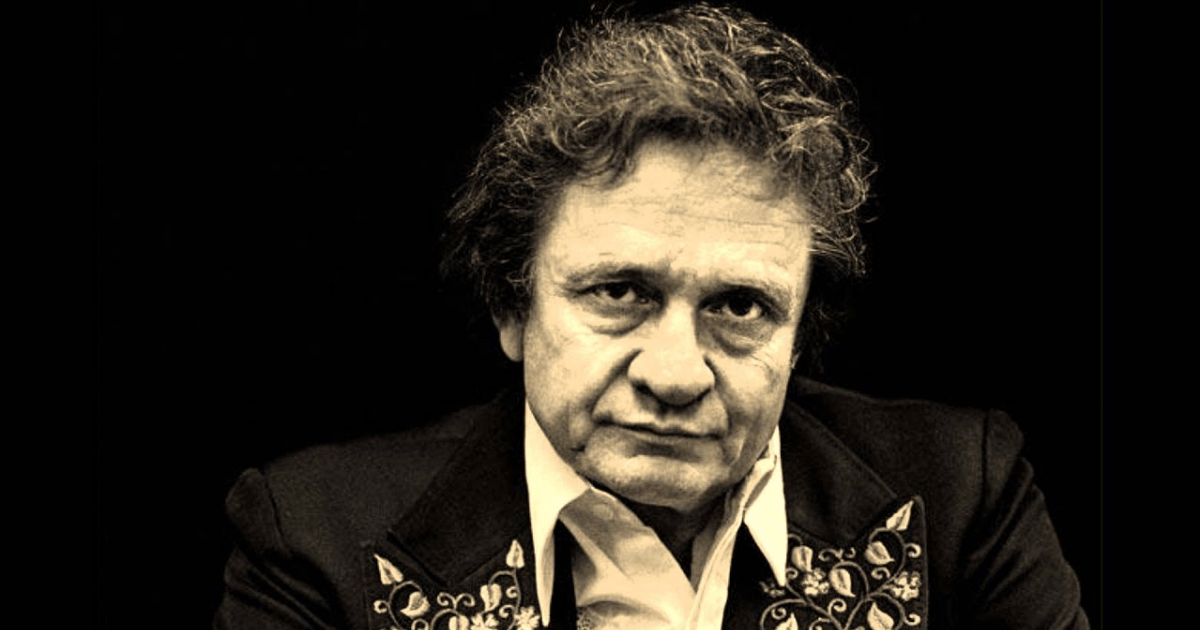
Johnny Cash’s delivery is central to the song’s impact. His deep, weathered voice carries a sense of authority earned through experience, suffering, and reflection. By the early 1980s, Cash’s voice had matured into something heavier and more contemplative, perfectly suited to the gravity of the subject matter. He does not sing with anger or accusation; instead, his tone is measured, sorrowful, and resigned. This restraint makes the song more powerful, as it sounds like a truth long understood rather than a protest newly shouted.
Musically, “They Killed Him” is built on simplicity. The arrangement is sparse, relying on acoustic guitar, gentle rhythm, and understated accompaniment. This stripped-down sound places emphasis squarely on the lyrics and message. There are no dramatic crescendos or instrumental distractions—everything serves the song’s meditative tone. The simplicity also aligns with the folk tradition, reinforcing the idea that this song belongs to a lineage of moral storytelling rather than commercial entertainment.
Lyrically, the song operates through repetition, using the phrase “they killed him” as both a statement and an accusation. The repetition is deliberate and unsettling, forcing the listener to confront the idea that society repeatedly destroys those who challenge hatred and injustice. Each verse expands the meaning, suggesting that while individuals may differ in time, place, or belief, the response to their message is tragically consistent. The song does not explicitly condemn specific groups; instead, it implicates humanity as a whole, asking the listener to reflect on complicity rather than assigning blame.
One of the most striking elements of the song is its spiritual undertone. While rooted in real historical suffering, it carries a gospel-like sense of reverence. The figures referenced are treated almost as modern saints—not because they were perfect, but because they embodied principles that transcend politics and ideology. This spiritual framing fits naturally within Johnny Cash’s lifelong engagement with faith, redemption, and moral struggle. Rather than preaching, the song invites contemplation, allowing listeners to arrive at their own understanding.
Within Cash’s broader career, “They Killed Him” represents his role as a moral observer rather than a storyteller of crime or romance. While he was famous for songs about outlaws and prisoners, this track reveals a quieter, more philosophical side. It reflects Cash’s belief that music could serve as a vessel for truth and conscience. By the time of its release in 1982, Cash had lived through decades of cultural upheaval, giving his reflections added weight and authenticity.
The emotional power of the song lies in its sadness rather than its outrage. There is no call for revenge, no triumphant resolution. Instead, the song ends with a lingering sense of loss and unresolved tension. This lack of closure mirrors reality, where the deaths of moral leaders do not instantly lead to peace or understanding. Cash seems to suggest that remembering them—and learning from their fate—is itself a responsibility.
Ultimately, “They Killed Him” is a quiet but devastating reminder of how often humanity responds to love and truth with fear and violence. Released in 1982 and grounded in country folk and gospel traditions, the song stands as one of Johnny Cash’s most thoughtful and morally serious works. It does not offer answers or comfort, but it does offer clarity—challenging listeners to ask themselves whether the cycle it describes is truly inevitable, or whether it continues simply because too few are willing to break it.