
About the song
Background of the Song
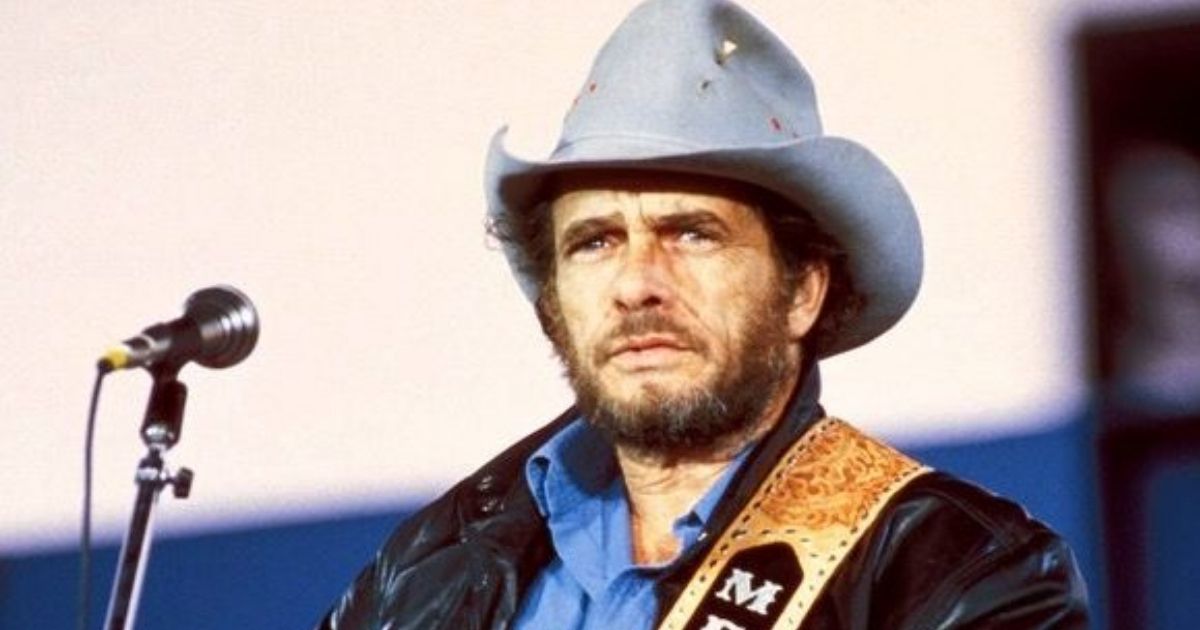
“Mama’s Hungry Eyes” is one of Merle Haggard’s most poignant and deeply personal songs, released in 1969 on his album A Portrait of Merle Haggard. While Haggard is often remembered for his outlaw anthems and working-class pride songs like Okie from Muskogee and Workin’ Man Blues, this particular track highlights his gift for intimate storytelling and emotional honesty.
Written by Haggard himself, the song is a heartfelt tribute to his mother, Flossie Mae Haggard, who raised him and his siblings during a time of great poverty and hardship. Merle’s father passed away when he was just nine years old, leaving the family struggling to survive in California’s San Joaquin Valley. These personal struggles with poverty and resilience became central themes in Haggard’s songwriting, and Mama’s Hungry Eyes stands as one of the most enduring examples.
The song became an important part of his repertoire and is widely regarded as one of his finest ballads. Beyond its autobiographical roots, it resonates universally as a tribute to mothers who sacrifice everything for their children.
Themes and Storytelling
The narrative of Mama’s Hungry Eyes revolves around the sacrifices of a mother raising her children in dire poverty. Haggard sings from the perspective of a son who remembers the struggles his mother endured—going without food, working tirelessly, and hiding her own pain to make sure her children had a chance at survival.
Key themes include:
Maternal Sacrifice: The “hungry eyes” symbolize a mother who often went without food herself so her children could eat.
Poverty and Hardship: The song doesn’t romanticize poverty; it paints an unflinching portrait of real struggles during the Great Depression and Dust Bowl era.
Gratitude and Reflection: As an adult, the narrator looks back with appreciation and sorrow, recognizing the pain his mother endured.
Dignity in Struggle: Despite hardships, the mother retains dignity and love, embodying the strength of working-class women.
The storytelling is vivid yet simple, which makes it so powerful. Listeners can see the weary mother’s face, understand her struggles, and feel the son’s mixture of guilt, gratitude, and admiration.
Musical Arrangement
Musically, Mama’s Hungry Eyes is a classic example of Haggard’s ability to blend traditional country instrumentation with heartfelt balladry.
Instrumentation: The song is driven by gentle acoustic guitar, fiddle, and pedal steel guitar, which together create a soft, sorrowful atmosphere.
Tempo and Mood: Slow and reflective, the pace mirrors the sadness and weight of the lyrics, encouraging listeners to focus on the story.
Vocals: Haggard’s vocal performance is restrained but deeply emotional. His delivery carries a sense of reverence, as if he is quietly paying homage to his mother. His ability to convey raw honesty in his voice makes the song feel almost like a personal confession.
This understated arrangement ensures that the emotional impact of the lyrics remains front and center.
Reception and Significance
Although Mama’s Hungry Eyes wasn’t released as a major single, it quickly became a fan favorite and a staple of Haggard’s live performances. Critics praised it for its sincerity and emotional weight, often ranking it among his greatest achievements as a songwriter.
In the broader context of country music, the song holds a special place as one of the genre’s most moving tributes to motherhood. Unlike many country songs that focus on romance or rebellion, this one speaks directly to family, sacrifice, and survival—core values that resonate deeply with audiences, especially in working-class America.
For Merle Haggard, the song was also an opportunity to connect with fans on a personal level. Many listeners who had grown up in poverty or who had witnessed their mothers making sacrifices could identify with the story, making it more than just Haggard’s personal tale—it became their story too.
Cultural and Emotional Impact
The cultural impact of Mama’s Hungry Eyes is rooted in its universal message of gratitude and respect for mothers. The title itself has become a symbolic phrase in country music, often referenced when discussing maternal sacrifice and the struggles of rural families.
Emotionally, the song has a dual effect: it stirs sorrow for the hardships endured, but it also inspires admiration for the resilience and love that mothers embody. Listeners often find themselves reflecting on their own mothers or grandmothers, making the song deeply personal.
It also reflects the Dust Bowl and Depression-era migration experience, particularly the hardships of “Okies” who moved to California in search of a better life. In this way, the song becomes not just a personal story, but also a piece of American social history.
Legacy
Over five decades later, Mama’s Hungry Eyes continues to be one of Merle Haggard’s most respected songs. While it may not have the rowdy appeal of his outlaw hits, it demonstrates the breadth of his artistry—he was not only capable of singing about rebellion and pride but also of delivering tender ballads filled with humility and love.
The song has been covered by other artists and is often cited in discussions of the greatest country ballads ever written. More importantly, it remains a powerful reminder of the sacrifices of mothers and the struggles of working-class families across generations.
In Merle Haggard’s career, Mama’s Hungry Eyes stands as a defining moment where his personal history and his songwriting genius came together to create something timeless.
Conclusion
Mama’s Hungry Eyes by Merle Haggard is more than just a country ballad—it is a heartfelt tribute to maternal sacrifice, poverty, and resilience. Through its simple yet powerful storytelling, gentle arrangement, and Haggard’s emotionally rich vocals, the song paints an unforgettable portrait of a mother’s love in the face of hardship.
It remains one of Haggard’s most moving works, not because of commercial success, but because of its emotional truth. Generations of listeners continue to find themselves reflected in the song, whether through memories of their own mothers or through shared cultural struggles.
In honoring his own mother, Merle Haggard created a timeless anthem for mothers everywhere, ensuring that Mama’s Hungry Eyes will forever hold a special place in the history of country music.