
About the song
Background of the Song
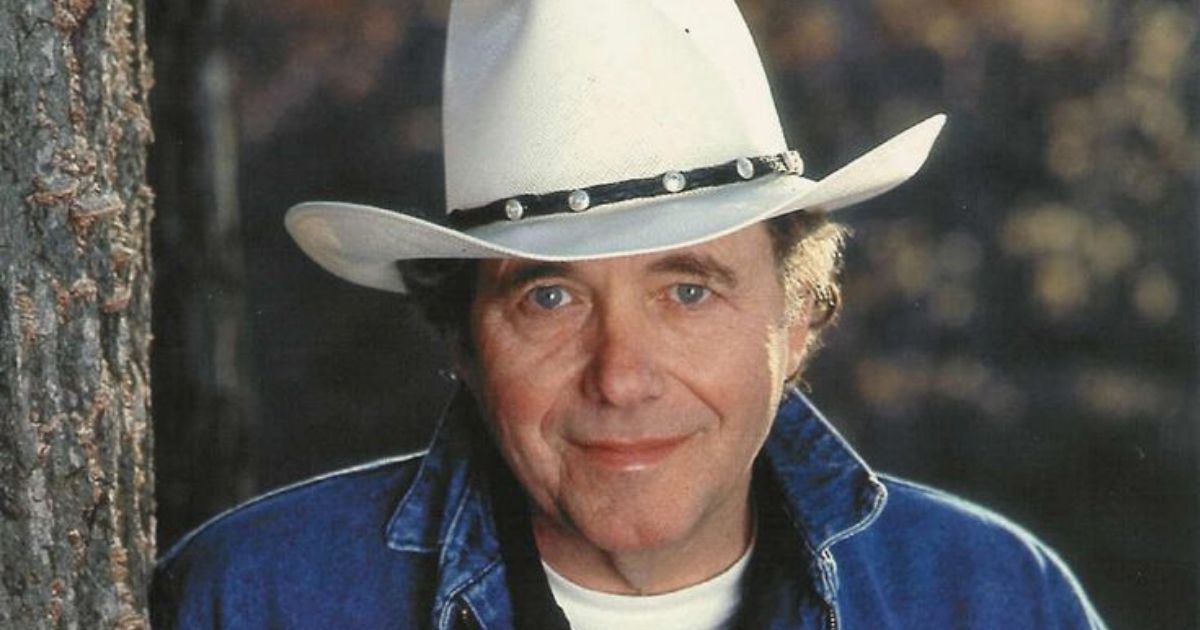
Streets of Baltimore is one of the most enduring country ballads of the 1960s, remembered for its heart-wrenching storytelling and emotional delivery. Written by Tompall Glaser and Harlan Howard, two of Nashville’s most respected songwriters, the track was first recorded by country singer Bobby Bare in 1966.
Bare’s version introduced the song to the public, but it would later be recorded by numerous artists, including Gram Parsons with the Flying Burrito Brothers (1968), Charley Pride, and Kenny Chesney, among others. Each version has brought its own flavor, but Bobby Bare’s interpretation is often regarded as the most authentic and definitive because of his rich, emotional voice and his ability to embody the pain of the lyrics.
The song was not only a highlight in Bare’s career but also became a staple in the canon of country heartbreak songs, cementing its place as a classic of the genre.
Storytelling and Themes
At its core, Streets of Baltimore is a tragic ballad about love, sacrifice, and disillusionment. It tells the story of a man who leaves his rural home with his wife, heading for Baltimore to fulfill her dream of living in the city. He sacrifices his own comfort and happiness, working tirelessly to give her the life she desires.
But soon, he discovers that her dream doesn’t include him. While he labors to support her, she finds joy and distraction in the glittering nightlife of the city—the “streets of Baltimore.” Ultimately, he realizes he has lost her to the very dream he tried to provide.
Key themes include:
Sacrifice in Love: The narrator gives up his own way of life for his wife’s happiness.
Urban vs. Rural Life: The tension between the simplicity of country living and the allure of the city is central.
Loneliness and Betrayal: Despite his sacrifice, the narrator ends up abandoned and heartbroken.
Disillusionment: The dream of a better life becomes a nightmare when it costs him his relationship.
This is classic country storytelling: simple, direct, and deeply human. Many listeners can relate to the idea of sacrificing for someone else, only to find themselves left behind.
Musical Arrangement
Musically, Bobby Bare’s version of Streets of Baltimore is a perfect example of 1960s Nashville Sound blended with honky-tonk emotion.
Instrumentation: The arrangement features pedal steel guitar, fiddle, and acoustic guitar, creating a mournful yet beautiful soundscape.
Tempo and Mood: The song is mid-tempo, slow enough to let the weight of the lyrics sink in but not so slow that it drags. The melancholy mood matches the sadness of the story.
Vocals: Bobby Bare’s vocal performance is the heart of the track. His smooth yet rugged baritone conveys both tenderness and heartbreak. He doesn’t over-dramatize; instead, his restrained delivery makes the story even more believable.
The production allows the storytelling to shine. Unlike heavily polished pop-country tracks, this song maintains an earthy authenticity that keeps the listener focused on the tale being told.
Reception and Influence
When first released, Streets of Baltimore was not a major chart-topper for Bobby Bare, but it earned critical acclaim for its lyrical depth and emotional resonance. Over time, it became one of the most covered songs in country music, testifying to its enduring power.
The song gained additional fame when Gram Parsons recorded it in 1968 with the Flying Burrito Brothers, helping to introduce it to a younger, rock-oriented audience. Parsons’ version leaned more toward country-rock, while Bare’s remained firmly rooted in traditional country. Both versions, however, highlighted the song’s universality: the pain of sacrifice and heartbreak transcends genre boundaries.
Today, Streets of Baltimore is widely considered a classic, often ranked among the greatest country songs of all time.
Cultural and Emotional Impact
The emotional impact of Streets of Baltimore lies in its relatability. Many people know what it feels like to sacrifice for someone they love, only to find themselves abandoned or unappreciated. The city in the song—Baltimore—becomes more than just a location; it represents the larger theme of chasing dreams that ultimately separate people.
Culturally, the song reflects a common theme in country music: the clash between rural values and urban temptations. In the 1960s, many Americans were leaving farms and small towns for city life, and the song captured both the allure and the heartbreak of that transition.
For Bobby Bare, the song reinforced his reputation as a master storyteller, someone capable of interpreting lyrics with subtlety and depth. While Bare often leaned toward folk-influenced country, Streets of Baltimore showed his ability to embody traditional country sorrow with authenticity.
Legacy
More than five decades after its release, Streets of Baltimore continues to resonate with audiences. It remains one of Bobby Bare’s signature songs, often associated with his ability to bring sincerity and humanity to everything he recorded.
The song’s legacy is amplified by its versatility: it has been embraced by traditional country fans, outlaw country audiences, and even country-rock enthusiasts. Each new generation of artists seems to find something fresh in its timeless narrative.
The track also stands as an example of Harlan Howard’s and Tompall Glaser’s brilliance as songwriters. Their ability to condense complex emotions into simple, powerful lines ensured the song’s place in the pantheon of country classics.
Conclusion
Bobby Bare’s Streets of Baltimore is a timeless country ballad that tells a heartbreaking story of sacrifice, disillusionment, and love lost to the allure of city life. With its poignant lyrics, soulful arrangement, and Bare’s emotionally rich vocal delivery, the song continues to captivate listeners decades after its release.
It is more than just a song about a failed relationship—it is a story about the human cost of chasing dreams, the pain of sacrifice unreturned, and the loneliness of betrayal. In honoring this theme with authenticity and grace, Bobby Bare ensured that Streets of Baltimore would forever remain one of the great treasures of country music history.