
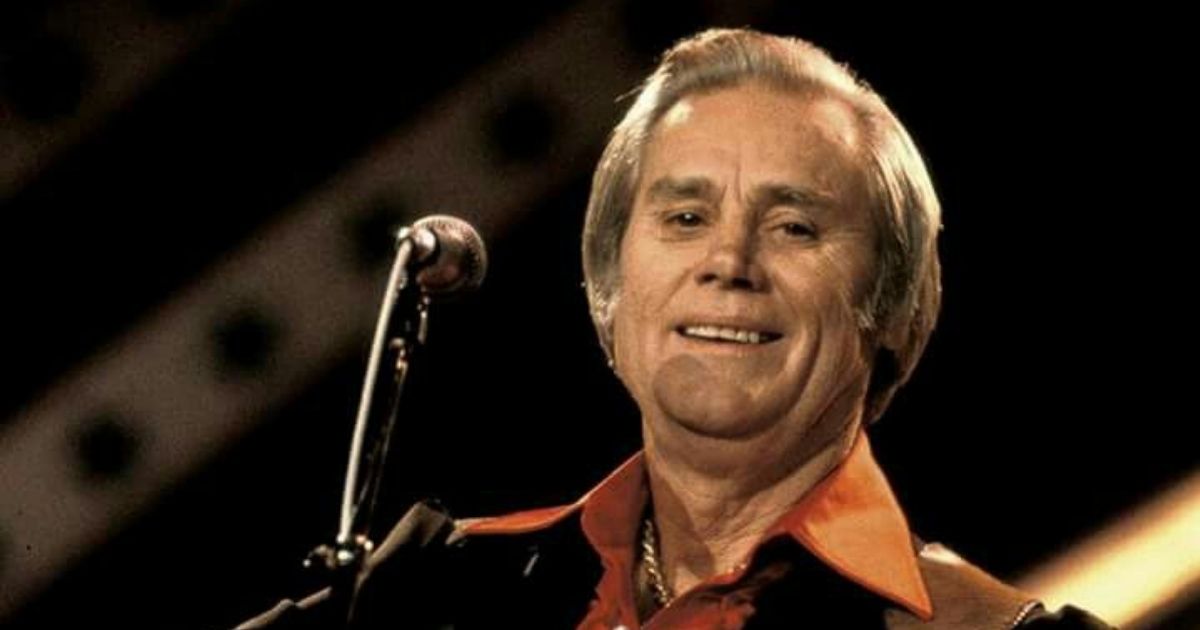
About the song
Background of the Song
Bartender’s Blues is one of the most intriguing songs in George Jones’ long and storied career. Released in 1978 as the title track of his album Bartender’s Blues, the song was written by singer-songwriter James Taylor. While Taylor was primarily known for his folk and soft rock ballads, this composition demonstrated his ability to step into the world of country storytelling.
George Jones, already an icon of country music by the late 1970s, was going through a turbulent period both personally and professionally. Known as “the greatest voice in country music,” Jones had already recorded numerous hits, but his struggles with alcohol, heartbreak, and self-destruction often mirrored the themes of his music. Bartender’s Blues provided him with a song that felt like a mirror of his own life, making his interpretation uniquely authentic.
Though not one of his biggest commercial successes, the song became a fan favorite and remains a testament to Jones’ unmatched ability to take another writer’s lyrics and inhabit them so completely that they feel like lived experience.
Themes and Storytelling
At its heart, Bartender’s Blues is a song about weariness, regret, and longing for peace. The narrator is a bartender who has seen it all—the heartbreak, the sorrow, and the endless parade of broken people seeking solace in a drink. Yet, instead of being detached, the bartender himself is weary of life and wishes for something more.
Key themes include:
Weariness of Life: The bartender isn’t just serving drinks; he’s serving pain, and it has weighed him down.
Escape and Yearning: He longs to escape the cycle of brokenness, wishing he could live a simpler, happier existence.
Loneliness and Connection: While surrounded by people every night, he feels isolated, his only company being the sorrows of others.
Universal Struggle: The bartender’s plight becomes symbolic of anyone stuck in a rut, longing for love, peace, or redemption but trapped by circumstance.
The lyrics carry a mix of resignation and vulnerability. Unlike many honky-tonk songs that glorify bar life, this one flips the perspective, presenting the bartender not as a neutral observer but as someone crushed under the weight of sadness.
Musical Arrangement
The arrangement of Bartender’s Blues is a fascinating blend of traditional country and soft rock sensibility, reflecting its origins as a James Taylor composition.
Instrumentation: The song features piano, steel guitar, and acoustic guitar, giving it a gentle, melancholic tone. The fiddle adds depth, reinforcing the country atmosphere.
Tempo and Mood: Slow and reflective, the tempo mirrors the exhaustion of the bartender’s life. It’s less about celebration and more about contemplation.
Vocals: George Jones’ performance is the soul of the track. His voice, rich with emotional cracks and subtle inflections, captures the weary despair of the narrator. Jones doesn’t just sing the words—he lives them, turning the bartender’s story into his own.
This combination makes the song a perfect vehicle for George Jones, whose reputation as one of the greatest interpreters of sad country songs is solidified by performances like this.
Reception and Significance
Though Bartender’s Blues wasn’t a massive chart hit—it peaked at No. 6 on the Billboard Hot Country Singles chart—it earned respect for its emotional honesty and for George Jones’ interpretation. For James Taylor, it also represented one of his rare forays into mainstream country, and the collaboration between these two very different artists remains a fascinating moment in music history.
Critics and fans alike have often highlighted how perfectly the song suited Jones’ personal struggles. During this period, George Jones was battling alcoholism and dealing with a crumbling marriage to fellow country star Tammy Wynette. The song’s theme of weariness and longing for relief paralleled his own reality, adding another layer of authenticity to the performance.
Cultural and Emotional Impact
The cultural significance of Bartender’s Blues lies in its ability to humanize the bartender, a figure often overlooked in country music. While countless songs depict the drinker drowning sorrows at the bar, this one asks: what about the man behind the counter who sees all that pain night after night?
For listeners, the song provided a new perspective on familiar country tropes. Emotionally, it resonated with anyone who has ever felt trapped in a cycle of routine and sadness, longing for something beyond their current existence.
The song also fit neatly within George Jones’ broader legacy of songs about sorrow and struggle. Alongside classics like He Stopped Loving Her Today and The Grand Tour, Bartender’s Blues showcased his ability to elevate even lesser-known tracks into emotionally powerful experiences.
Legacy
Over the years, Bartender’s Blues has gained recognition as one of George Jones’ most underrated gems. While it may not be as instantly recognizable as some of his biggest hits, it continues to be celebrated by fans who appreciate its depth and honesty.
The song also stands as a reminder of Jones’ uncanny ability to inhabit a lyric. Few singers could take a James Taylor composition and turn it into something so convincingly country, yet George Jones managed to fuse folk-inspired writing with honky-tonk sorrow seamlessly.
In live performances, Jones often gave the song a weary, heartfelt delivery that made audiences feel the bartender’s pain firsthand. Its legacy is not one of commercial dominance, but of emotional resonance—a quality that has ensured its enduring presence in George Jones’ catalog.
Conclusion
Bartender’s Blues is a haunting, soulful ballad that reflects George Jones at his finest: vulnerable, authentic, and deeply connected to the struggles he sang about. Written by James Taylor but immortalized by Jones, the song gives voice to the overlooked bartender, painting him not as a silent bystander but as a weary soul yearning for peace.
With its themes of sorrow, escape, and loneliness, paired with Jones’ legendary vocal delivery, Bartender’s Blues remains a classic example of how country music can transform everyday stories into profound reflections on the human condition.
More than four decades later, the song still resonates with anyone who has felt worn down by life, making it one of the quiet but powerful treasures of George Jones’ remarkable career.