
About the song
“Penny Lover” by Lionel Richie is a smooth, emotionally intimate love song released in 1984 as part of his landmark solo album Can’t Slow Down. The song belongs primarily to the R&B and soul genres, with strong elements of soft rock and adult contemporary, reflecting Lionel Richie’s unique ability to blend romantic sensitivity with polished mainstream appeal. Unlike upbeat chart-driven hits, “Penny Lover” is quiet, restrained, and deeply personal, revealing a more vulnerable side of Richie’s songwriting.
At its core, “Penny Lover” is a song about longing and emotional dependency, centered on a narrator who is deeply attached to someone whose love feels both essential and elusive. The title itself is symbolic rather than literal. “Penny” does not represent money, but something small, precious, and easily lost. This metaphor sets the emotional tone of the song, suggesting a love that may seem fragile yet holds immense personal value. From the opening lines, the listener is drawn into a private emotional space where love is felt more intensely in absence than in presence.
Musically, the song is built on a slow, sensual groove that unfolds patiently. Soft keyboards, gentle percussion, and subtle bass lines create a warm, enveloping atmosphere. The arrangement is intentionally understated, allowing the emotional weight of the lyrics to remain front and center. This minimalist approach enhances the song’s intimacy, making it feel as though the listener is overhearing a confession rather than witnessing a performance. The production reflects the mid-1980s aesthetic while maintaining a timeless elegance that prevents the song from feeling dated.
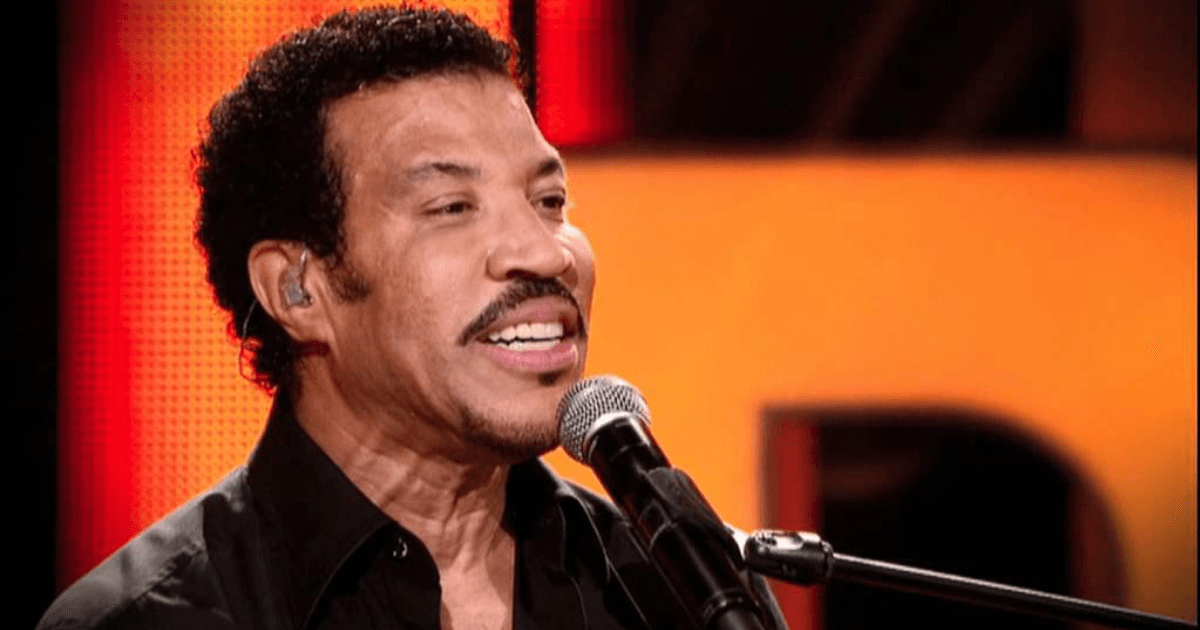
Lionel Richie’s vocal delivery is one of the song’s defining features. His voice is calm, smooth, and emotionally controlled, yet filled with longing. Rather than relying on vocal acrobatics, Richie uses phrasing and tone to convey vulnerability. Each line is delivered with careful restraint, suggesting emotional depth beneath the surface. This subtlety makes the song especially powerful, as the emotion feels genuine and lived-in rather than dramatized.
Lyrically, “Penny Lover” explores the tension between desire and uncertainty. The narrator is deeply invested in the relationship, but there is an underlying fear of loss. The song does not describe a fully realized romance; instead, it captures a moment suspended between hope and doubt. This emotional ambiguity allows listeners to project their own experiences onto the song, whether it be unrequited love, emotional dependence, or the fear of loving more deeply than the other person.
The song also reflects Lionel Richie’s broader artistic identity during the height of his solo career. By the time Can’t Slow Down was released in 1984, Richie had already established himself as a master of romantic songwriting. “Penny Lover” fits seamlessly into this legacy, standing alongside his other love-centered compositions while offering a more introspective tone. It showcases his ability to write songs that are not just about love’s joy, but also about its vulnerability and emotional risk.
Within the context of the album, “Penny Lover” serves as a moment of emotional stillness. While Can’t Slow Down includes energetic and upbeat tracks, this song slows the pace and invites reflection. It reinforces the idea that love is not always loud or celebratory; sometimes it is quiet, uncertain, and deeply personal. This contrast adds depth to the album as a whole and highlights Richie’s versatility as a songwriter.
Culturally, “Penny Lover” resonated strongly with listeners who appreciated its honesty and emotional subtlety. Its success helped cement Lionel Richie’s reputation as an artist capable of crossing genre boundaries while maintaining emotional authenticity. The song appealed to fans of R&B, pop, and adult contemporary music alike, demonstrating the universal appeal of sincere storytelling.
Ultimately, “Penny Lover,” released in 1984 and rooted in R&B, soul, soft rock, and adult contemporary, is a testament to Lionel Richie’s mastery of emotional expression through music. It captures the quiet ache of loving deeply without certainty, transforming vulnerability into beauty. Through gentle instrumentation, heartfelt lyrics, and a tender vocal performance, the song remains a timeless reflection on the delicate balance between love, longing, and emotional risk.