
About the song
“I Hate Myself for Loving You” by Joan Jett & the Blackhearts
Released in 1988 as the lead single from the album Up Your Alley, “I Hate Myself for Loving You” by Joan Jett & the Blackhearts stands as one of the band’s most commercially successful and enduring hits. This hard-hitting rock anthem perfectly captures Joan Jett’s signature blend of raw attitude, punk energy, and arena-ready hooks. More than three decades after its release, the song remains a staple on classic rock radio and continues to resonate with audiences worldwide.
Background and Context
By the late 1980s, Joan Jett had already established herself as one of the most prominent and influential female rockers of her generation. After first gaining fame with the all-female rock band The Runaways in the 1970s, Jett embarked on a solo career with her backing band, The Blackhearts. Her earlier success with hits like “I Love Rock ‘n’ Roll”, “Crimson and Clover”, and “Bad Reputation” had already cemented her place in rock history.
With the release of Up Your Alley, Joan Jett sought to reaffirm her presence in the rock scene of the late 1980s—a period dominated by glam metal, power ballads, and radio-friendly hard rock. “I Hate Myself for Loving You” became the perfect vehicle for this resurgence.
Musical Style and Composition
Musically, “I Hate Myself for Loving You” is a powerful blend of hard rock, classic rock, and elements of glam metal. The song features:
A driving, riff-heavy guitar line that immediately hooks the listener.
Thumping bass and pounding drums, creating a rhythmic foundation that makes the song feel both aggressive and danceable.
Gritty, passionate vocals by Joan Jett that deliver the song’s message with raw energy and defiance.
A guitar solo by Mick Taylor, the former guitarist of The Rolling Stones, which adds a layer of bluesy rock authenticity to the track.
The production, handled by Kenny Laguna and Ric Browde, gives the song a clean but powerful sound, making it perfect for both radio play and live concert settings.
Lyrics and Themes
Lyrically, “I Hate Myself for Loving You” is a breakup anthem filled with emotional conflict, frustration, and self-loathing. The narrator expresses anger at herself for still having feelings for someone who has clearly mistreated her.
Key lines such as:
“I hate myself for loving you
Can’t break free from the things that you do
I wanna walk but I run back to you”
highlight the inner turmoil and emotional dependency that many listeners can relate to. The song strikes a perfect balance between toughness and vulnerability, giving it a universal appeal. Joan Jett delivers the lyrics with such conviction that listeners feel every ounce of pain and frustration embedded in the words.
Commercial Performance
Commercially, “I Hate Myself for Loving You” became one of Joan Jett & the Blackhearts’ biggest hits since their early 1980s breakthrough. The song reached:
#8 on the Billboard Hot 100 in the United States, making it Jett’s third Top 10 hit in her career.
It also charted on the Mainstream Rock Tracks chart and received substantial airplay on both rock and pop radio stations.
Internationally, the song saw success in several countries, including Canada and Australia.
Its success helped propel the album Up Your Alley to become a certified Platinum record in the U.S.
Music Video
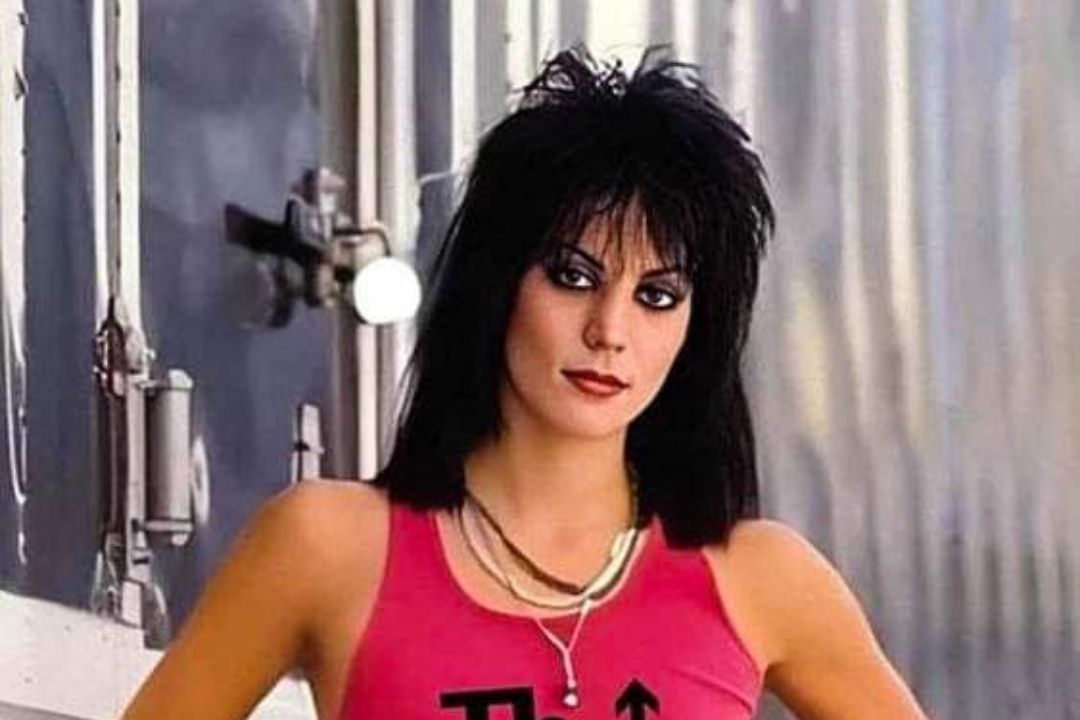
The music video for “I Hate Myself for Loving You” became a staple on MTV, further fueling the song’s popularity. The video features Joan Jett performing with the Blackhearts on a dimly lit, industrial-themed stage, intercut with close-up shots of her intense facial expressions and signature black leather fashion.
Her rebellious, no-nonsense image in the video reinforced her standing as one of the toughest and most authentic female voices in rock music.
Legacy and Cultural Impact
Over the years, “I Hate Myself for Loving You” has maintained its place as one of Joan Jett’s most iconic songs. It has appeared in numerous movie soundtracks, TV shows, and commercials. One of its most famous uses was as the basis for NBC’s Sunday Night Football theme song, where the lyrics were reworked into “Waiting All Day for Sunday Night”, performed by artists like Pink, Faith Hill, and Carrie Underwood.
The song’s anthemic chorus, relatable lyrics, and hard rock energy have kept it in heavy rotation on classic rock radio stations. It continues to be a highlight of Joan Jett’s live performances, often eliciting loud sing-alongs from concert crowds.
Conclusion
In summary, “I Hate Myself for Loving You” stands as a timeless rock anthem that captures the frustration of loving someone you shouldn’t. With its catchy hooks, powerful guitar riffs, and Joan Jett’s signature attitude, the song remains a defining moment in her illustrious career. Its blend of emotional vulnerability and rock defiance makes it an enduring favorite for fans of all ages.
Whether heard on the radio, at a sports event, or during a live concert, “I Hate Myself for Loving You” continues to showcase why Joan Jett is regarded as a true pioneer for women in rock music.