
About the song
Background of the Song
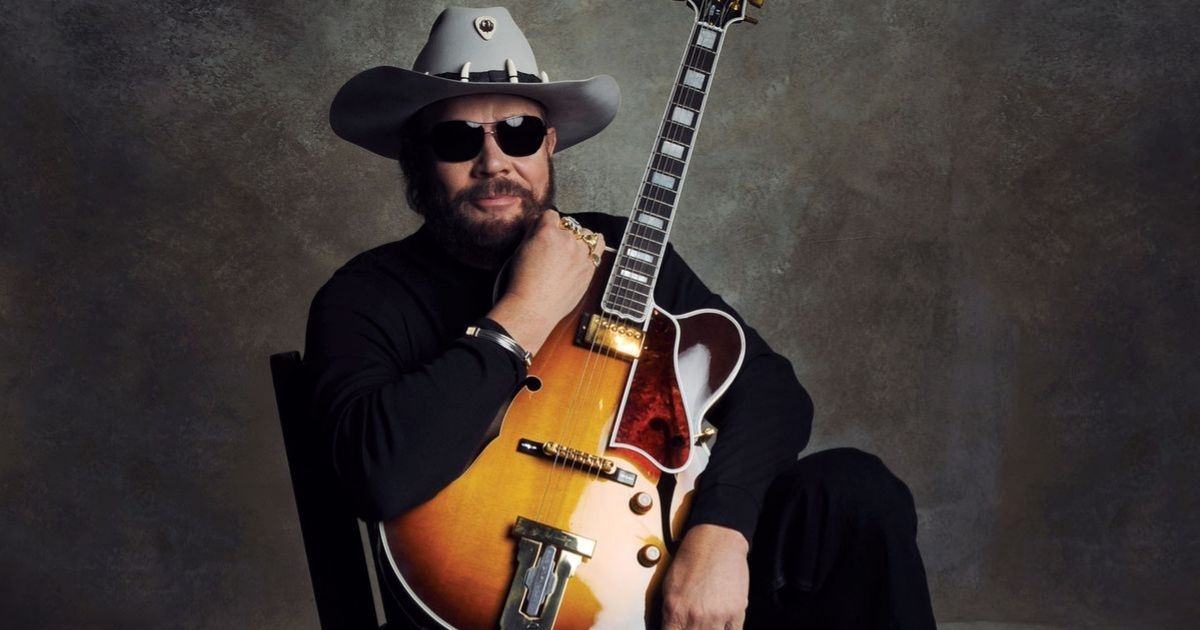
Released in 1979 as the title track of Hank Williams Jr.’s album Whiskey Bent and Hell Bound, this song remains one of the defining works of his career. By this time, Hank Jr. had fully stepped out of the shadow of his legendary father, Hank Williams Sr., and carved out his own unique identity as a leading figure in the outlaw country movement.
Written by Hank Jr. himself, Whiskey Bent and Hell Bound captures the essence of his musical persona: rebellious, unfiltered, and brutally honest about the temptations and downfalls of a hard-living lifestyle. It was also one of his early major hits, reaching No. 2 on the Billboard Hot Country Singles chart, and it helped establish him as a cornerstone of the rougher, rowdier side of country music.
The song blends traditional honky-tonk influences with a raw, outlaw sensibility, perfectly reflecting the cultural shift in country music during the late 1970s, when artists like Waylon Jennings, Willie Nelson, and David Allan Coe were breaking away from the slick Nashville sound.
Themes and Lyrics
At its core, Whiskey Bent and Hell Bound is a confessional song about addiction, heartbreak, and self-destruction. The narrator admits that when life gets tough, or when love goes wrong, he turns to whiskey and wild living as both a refuge and a curse.
Key themes include:
Heartbreak and Betrayal: The song begins with the pain of losing love, a theme common in country music, but instead of quiet sorrow, Hank Jr. channels it into destructive behavior.
Alcohol as Escape: Whiskey becomes both a coping mechanism and a symbol of downfall, reflecting the blurred line between relief and ruin.
Self-Destruction: The phrase “hell bound” highlights the inevitability of disaster that comes from living recklessly.
Outlaw Identity: More than just a personal confession, the song is an anthem of rebellion, reflecting the broader outlaw country ethos of rejecting polite society in favor of raw honesty.
The chorus, blunt and unforgettable, cements the song’s message: when things fall apart, whiskey is his companion, but it ultimately drives him closer to ruin. The lyrics resonate because of their candor—there is no attempt to sugarcoat the consequences of such a lifestyle.
Musical Arrangement
Musically, Whiskey Bent and Hell Bound is a perfect blend of traditional honky-tonk and outlaw grit.
Instrumentation: The song features steel guitar, fiddle, and electric guitar, combining the classic sounds of country with the edgier tones of southern rock.
Tempo and Mood: It has a mid-tempo, barroom feel that mirrors the narrative of drinking and regret. The rhythm gives the impression of someone swaying along to music in a dimly lit honky-tonk, glass in hand.
Vocal Delivery: Hank Jr.’s voice carries rawness and authenticity. His delivery is less polished than many Nashville contemporaries, but that’s precisely what makes it believable. His growling baritone makes the pain and defiance sound real, as if he’s lived every word.
This combination of music and lyrics makes the song feel like both a confession and an anthem, one that listeners could cry to or raise a glass to, depending on their mood.
Reception and Significance
Upon release, the song was embraced by fans who identified with its honesty and rough-edged realism. In contrast to the clean-cut image of mainstream country stars, Hank Jr. embodied the wild, unpredictable lifestyle that he sang about.
The success of Whiskey Bent and Hell Bound cemented his role as a leader of the outlaw country scene, alongside Willie Nelson and Waylon Jennings. It was more than just a hit; it became part of Hank Jr.’s larger musical identity, which revolved around independence, rowdiness, and an unwillingness to compromise.
Critics have often noted that the song also foreshadowed the themes that would dominate Hank Jr.’s later career: pride in southern heritage, defiance toward authority, and an unflinching look at both the pleasures and perils of excess.
Cultural and Emotional Impact
The cultural resonance of Whiskey Bent and Hell Bound lies in its unvarnished portrayal of a lifestyle many lived but few talked about openly. Country music has always been about truth-telling, and this song strips away romantic illusions to show the darker side of honky-tonk life.
For fans, the song became more than just entertainment—it was a reflection of real struggles with heartbreak, drinking, and the consequences of living “on the edge.” In this sense, it connected deeply with working-class audiences who saw themselves in its lyrics.
Emotionally, the song balances sadness and defiance. While the narrator acknowledges his own destructive tendencies, there is also a sense of acceptance, even pride, in living life on his own terms, no matter the cost. That combination of vulnerability and toughness is what makes the song timeless.
Legacy
Over four decades later, Whiskey Bent and Hell Bound remains one of Hank Williams Jr.’s signature songs. It continues to be a staple in his live performances and is considered a cornerstone of outlaw country.
Its legacy is twofold:
Personal: It solidified Hank Jr.’s reputation as a songwriter and performer who wasn’t afraid to lay bare his flaws and struggles.
Cultural: It stands as an anthem of the outlaw country era, a period when artists reclaimed country music from corporate polish and re-rooted it in grit, honesty, and independence.
For newer generations, the song serves as an introduction to Hank Jr.’s larger body of work, which combines southern rock influences with traditional country storytelling.
Conclusion
Whiskey Bent and Hell Bound by Hank Williams Jr. is more than a song about drinking and heartbreak—it is a raw, unflinching confession that captures the spirit of outlaw country. With its themes of addiction, regret, and rebellion, paired with a gritty honky-tonk arrangement and Hank Jr.’s soulful delivery, the song remains one of his most enduring works.
It reflects not only the struggles of one man but also the broader cultural identity of a generation of country fans who found truth in music that wasn’t afraid to be messy, painful, and real. Decades later, the song still rings true as an anthem for those who live hard, love deeply, and carry their scars with pride.