
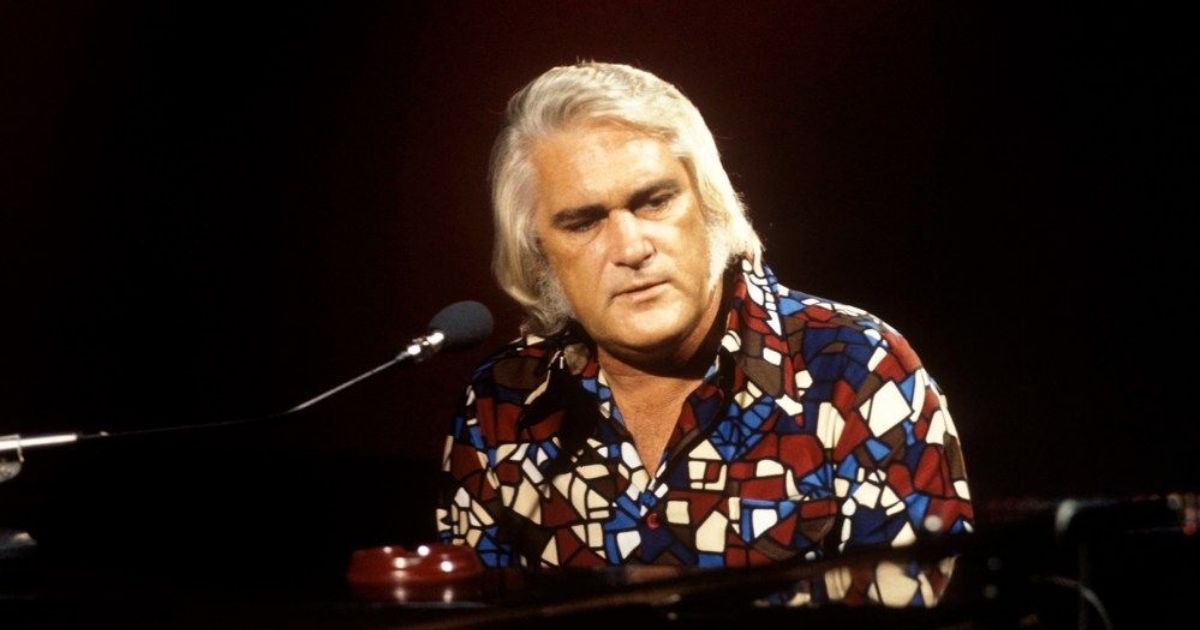
About the song
Background of the Song
Good Time Charlie’s Got The Blues is a song written and originally recorded by Danny O’Keefe in the early 1970s. It quickly became a standard of the era, covered by a wide range of artists including Elvis Presley, Willie Nelson, Waylon Jennings, and Charlie Rich. Each interpretation gave the song a slightly different emotional texture, but Charlie Rich’s version stands out for its soulful depth and the way it perfectly aligned with his reputation as “The Silver Fox.”
Charlie Rich was one of the most versatile and genre-crossing figures in American popular music. Throughout his career, he blended country, jazz, blues, gospel, and pop influences, creating a sound that was both sophisticated and deeply emotional. By the time he recorded Good Time Charlie’s Got The Blues, Rich had already achieved fame with hits like Behind Closed Doors and The Most Beautiful Girl. This song, however, offered a more introspective, melancholic side of his artistry.
Themes and Lyrics
The song captures the mood of restlessness, regret, and disillusionment. The narrator, referred to as “Good Time Charlie,” is a man who once lived fast and embraced the excitement of youth but now finds himself reflecting on loneliness, lost opportunities, and the fading thrill of his lifestyle.
Some key themes include:
Disillusionment with life: The song acknowledges that chasing pleasure and living recklessly often leads to emptiness.
Loneliness: Despite the fun and excitement implied in the name “Good Time Charlie,” the character is isolated and longing for something more meaningful.
Passage of time: The lyrics suggest an awareness of aging, of friends moving on, and of dreams left unfulfilled.
Restless spirit: Even though Charlie knows he is weary, he still can’t fully abandon the pull of the road and the search for excitement.
The haunting refrain—“Everybody’s gone away, said they’re movin’ to L.A.”—underscores the sense of abandonment and the cultural shift of the time. It captures the migration of youth toward new opportunities in cities like Los Angeles during the 1960s and 1970s, while leaving behind small towns, friendships, and simpler lives.
Charlie Rich’s Interpretation
Charlie Rich’s rendition of Good Time Charlie’s Got The Blues elevates the song with his unique blend of country soul and smooth, jazz-tinged phrasing.
Vocal delivery: Rich had one of the most expressive voices in country-pop history. His performance of the song is understated, filled with quiet resignation rather than dramatic outbursts. The softness in his tone makes the melancholy even more powerful.
Arrangement: The instrumentation in his version often includes piano (an instrument Rich himself mastered), gentle guitar, and subtle strings. The arrangement is minimal, highlighting the introspection of the lyrics.
Emotional texture: Unlike some artists who emphasize the “bluesy” side of the song, Rich leans into the reflective sadness. His approach turns the song into a meditation on lost time, rather than simply a lament.
This interpretation matched the public perception of Rich as a complex, sometimes brooding artist who was both charismatic and enigmatic.
Reception and Influence
While Good Time Charlie’s Got The Blues was never the biggest commercial success in Rich’s catalog, it was well-received by critics and fans who admired his ability to bring sincerity to a song of quiet despair. His version stood alongside those of other major artists, each offering different shades of meaning.
For country audiences, Charlie Rich’s rendition carried a unique weight because it came from a man often caught between genres. His country roots were undeniable, but his phrasing and production often leaned toward pop and jazz, which gave his interpretation a universal appeal.
Emotional and Cultural Impact
Culturally, the song reflects a broader American mood in the 1970s. The idealism of the 1960s was giving way to disillusionment, and songs like Good Time Charlie’s Got The Blues mirrored the anxieties of a generation coming to terms with reality. The dream of endless youth, freedom, and adventure had a cost, and Charlie Rich’s version captured the sadness of that realization.
For listeners, the song continues to resonate because it speaks to universal experiences: the sense of being left behind, the ache of loneliness, and the bittersweet recognition that good times cannot last forever. Charlie Rich’s voice, filled with both warmth and sorrow, makes the song feel deeply personal, as though he is sharing his own regrets with the listener.
Legacy
Today, Charlie Rich’s Good Time Charlie’s Got The Blues is remembered as one of the more poignant moments in his discography. While not as commercially successful as Behind Closed Doors, it remains an important recording because it highlights Rich’s mastery of subtlety and his ability to transform a simple song into an emotional journey.
The song also stands as a testament to Danny O’Keefe’s songwriting brilliance, showing how a single narrative of loneliness and regret can be reimagined through the voices of different artists. Among those, Charlie Rich’s version holds a special place for its quiet, soulful power.
Conclusion
Charlie Rich’s interpretation of Good Time Charlie’s Got The Blues is a haunting reminder of the fleeting nature of pleasure and the inevitability of loneliness. With his warm, expressive voice and restrained arrangement, Rich brings a depth of sincerity to the song that sets his version apart from others.
The track fits perfectly within Rich’s larger body of work, which often explored the complexities of love, regret, and human vulnerability. More than just another cover, his Good Time Charlie’s Got The Blues remains a timeless meditation on life’s bittersweet realities, resonating with anyone who has ever looked back on their past with both nostalgia and sorrow.