
About the song
Background of the Song
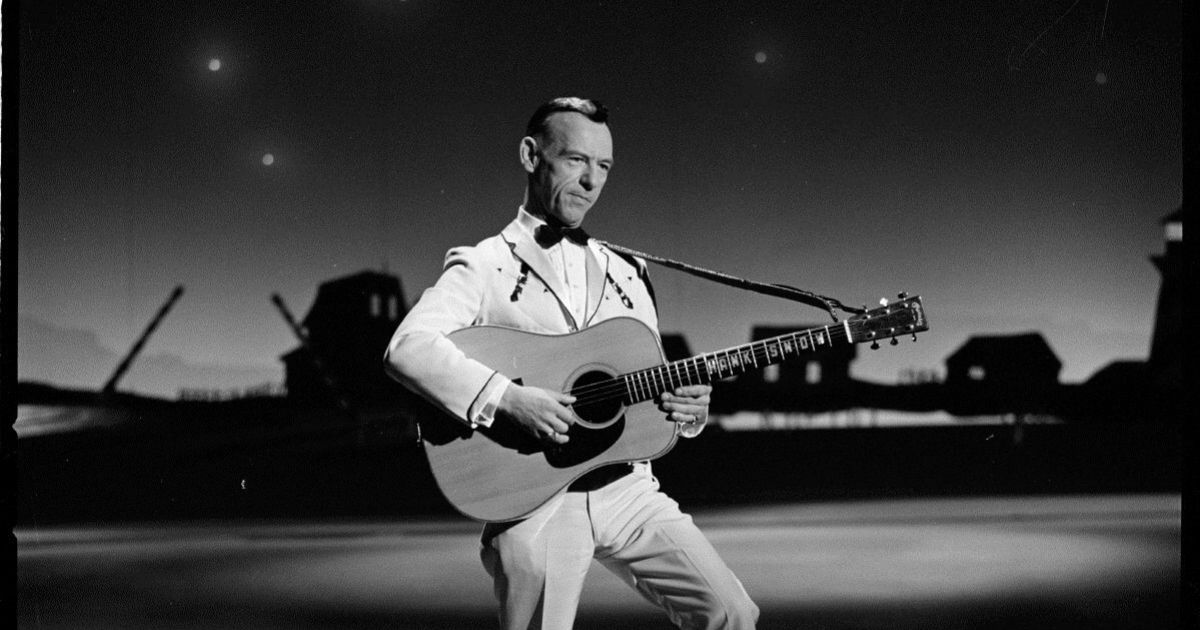
Hank Snow, often called The Singing Ranger, was one of country music’s most iconic voices throughout the mid-20th century. Known for his rich baritone, masterful storytelling, and extensive repertoire of songs about travel, longing, and the open road, Snow became synonymous with the romanticized image of the wandering cowboy or restless traveler. One More Ride perfectly fits into this tradition, painting a vivid portrait of life on the rails and the yearning for freedom.
Originally written by Bob Nolan of the famed Sons of the Pioneers, One More Ride predates Snow’s recording but found new life in his hands. Bob Nolan, a Canadian-born songwriter, had a gift for creating songs that celebrated the Western landscape, the lonely trail, and the restless heart of wanderers. When Hank Snow interpreted the song, he brought to it his unique voice, phrasing, and emotional intensity, making it one of the most memorable renditions of this classic train ballad.
Themes and Lyrics
The central theme of One More Ride revolves around the life of a traveler who cannot resist the pull of the railroad. The song tells the story of someone who is perpetually drawn back to the train tracks, the sound of the whistle, and the promise of another journey.
Some of the key themes include:
Restlessness: The narrator cannot settle down, constantly chasing the freedom and excitement of travel.
Nostalgia: Even while enjoying the adventure of the ride, there is a deep sense of longing, as if the traveler knows that with each ride comes both joy and loneliness.
Romance of the rails: The song reflects a time when trains symbolized not only transportation but also adventure, opportunity, and a connection to the vast American landscape.
Inevitable cycle: The phrase “one more ride” suggests both a temporary farewell and the inevitability of returning to the same path. It becomes a metaphor for the endless search for meaning and fulfillment.
Through its lyrics, One More Ride captures the restless spirit of those who feel at home only when they are moving, echoing the broader cultural fascination with trains in American folk and country music.
Hank Snow’s Interpretation
What makes Hank Snow’s rendition special is the way his deep, smooth voice and impeccable timing bring authenticity to the narrative. Known for his precise enunciation and heartfelt delivery, Snow could take a song about movement and imbue it with both excitement and melancholy.
Vocal style: Snow’s baritone resonates with authority, making the listener believe he has lived the life described in the lyrics.
Musical arrangement: His recording typically features acoustic and steel guitar, fiddle, and steady rhythm—hallmarks of traditional country music that perfectly complement the train imagery.
Emotional impact: Snow doesn’t over-dramatize the song; instead, he allows the lyrics and melody to carry the weight, which makes his delivery feel natural and sincere.
Hank Snow himself was no stranger to the theme of travel. Coming from humble beginnings in Nova Scotia, Canada, he pursued his dream of becoming a country star, eventually traveling extensively across North America. Songs like I’m Movin’ On and I’ve Been Everywhere became his signatures, and One More Ride fit beautifully within his catalog of songs celebrating the restless journey of life.
Cultural and Historical Significance
During the early-to-mid 20th century, the railroad was more than just a means of transportation—it was a symbol of progress, freedom, and adventure. Many Americans associated trains with migration, opportunity, and the ability to escape hardship. In country and folk music, the train became a recurring motif, representing both literal journeys and metaphorical ones.
One More Ride stands within this tradition, alongside classics like Wabash Cannonball, Orange Blossom Special, and Hank Snow’s own I’m Movin’ On. By recording this song, Snow preserved an important piece of Americana and contributed to the continuity of railroad ballads in country music.
For listeners, the song evokes images of steam locomotives roaring across prairies, the sound of a distant whistle echoing at night, and the bittersweet feeling of leaving one place behind while heading toward another unknown destination.
Legacy
While One More Ride may not be as universally recognized as some of Hank Snow’s biggest hits, it remains a beloved song among fans of traditional country and train ballads. Snow’s recording helped ensure that Bob Nolan’s work continued to influence generations of listeners and artists.
The song also stands as a reminder of the central role trains played in shaping both the physical and cultural landscapes of North America. Even as the age of the railroad faded, songs like One More Ride kept its spirit alive.
Moreover, Snow’s interpretation resonates with anyone who has ever felt the pull of the road, the allure of constant movement, or the bittersweet joy of adventure mixed with solitude. It reflects a universal human experience—the search for freedom, even when it comes with sacrifices.
Conclusion
Hank Snow’s One More Ride is more than just a song about trains—it is a reflection on the restless human spirit, the romance of the open road, and the eternal search for freedom. Originally penned by Bob Nolan, the song found new depth in Snow’s hands, thanks to his rich voice, authentic delivery, and deep connection to themes of travel and longing.
As part of Snow’s legacy, One More Ride continues to resonate with fans of traditional country music and train ballads, offering a glimpse into a time when the sound of a train whistle symbolized both opportunity and heartache. With its simple yet profound lyrics, timeless melody, and heartfelt performance, the song remains a precious gem in the history of country and folk music.