
About the song
Background of the Song
Sweet Dreams (of You) is one of the most enduring and emotional ballads in the history of country music. Written by Don Gibson in 1955, the song has been recorded by numerous legendary artists, including Patsy Cline, Don Gibson himself, and later even Roy Buchanan and Elvis Costello. However, one of the earliest and most significant interpretations came from Faron Young, one of country music’s brightest stars of the 1950s and 1960s.
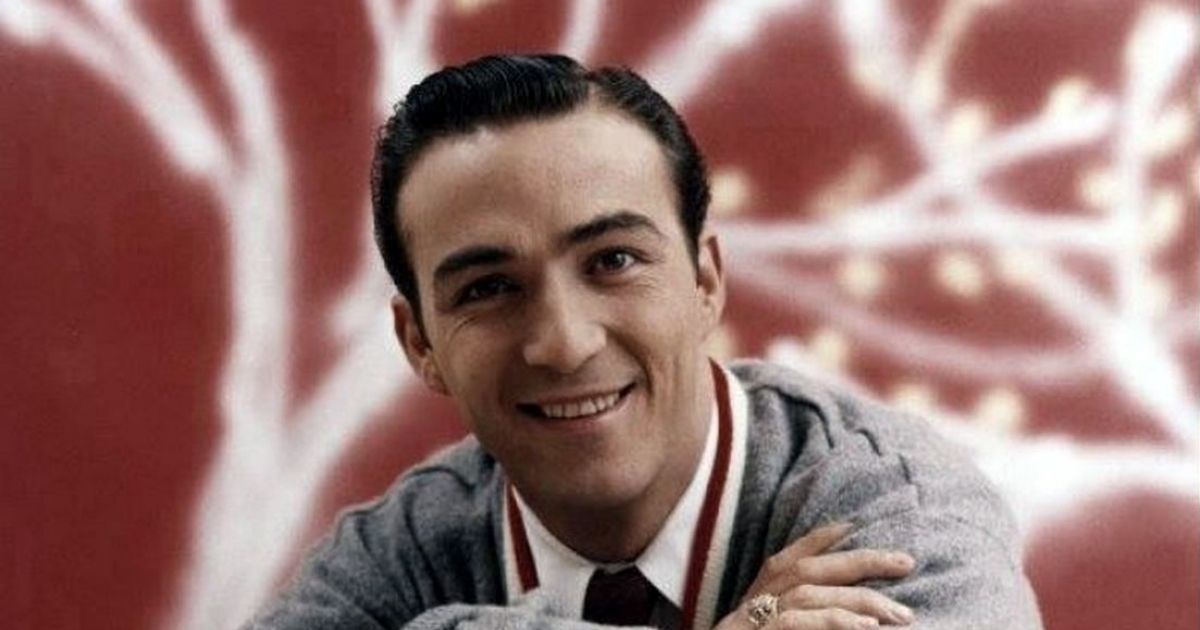
Young, often called The Hillbilly Heartthrob or The Singing Sheriff, had a remarkable ability to interpret heartbreak ballads with sincerity and emotional depth. When he recorded Sweet Dreams, he gave Gibson’s aching words a vocal delivery that resonated with listeners who had experienced the sting of unrequited love and the lingering pain of lost romance.
Themes and Lyrics
At its heart, Sweet Dreams is a song about longing and emotional torment. The narrator addresses a lost love who has moved on, yet confesses that the memories and yearning remain painfully alive. The lyrics encapsulate the duality of dreams: they are both comforting because they allow the narrator to still “see” the loved one, and torturous because they are not reality.
Key themes include:
Unrequited Love: The narrator admits that despite everything, his feelings have not faded.
Dreams vs. Reality: The “sweet dreams” of the title serve as both solace and suffering, as they are only illusions of a love that no longer exists.
Emotional Vulnerability: The song strips away bravado and pride, leaving only raw, honest longing.
One of the most striking lines—“Sweet dreams of you / Things I know can’t come true”—perfectly captures the bittersweet paradox of memory and desire. For listeners, the song resonates because it reflects universal human experiences: the inability to fully let go of someone and the way dreams and memories can haunt us even when relationships are over.
Faron Young’s Interpretation
What makes Faron Young’s version special is the combination of his emotive voice, smooth phrasing, and the traditional Nashville arrangement that underscores the sadness without overwhelming it.
Vocal Performance: Young possessed a strong tenor voice with a plaintive quality that made heartbreak songs especially effective. He could convey vulnerability without losing control, letting listeners feel the ache behind every note.
Instrumentation: The arrangement of his recording leans on the classic country sound of the era, with steel guitar, fiddle, and gentle rhythms that create a mournful yet soothing atmosphere.
Tone: Unlike some later interpretations that leaned heavily into torch-song dramatics (such as Patsy Cline’s soaring, heart-wrenching version), Young’s performance is direct and understated, which makes the emotion feel more intimate and personal.
This interpretation allowed the song to connect deeply with audiences in the mid-1950s and early 1960s, when country music often walked the line between heartbreak storytelling and commercial accessibility.
Reception and Influence
When Sweet Dreams was released, it quickly found success with country audiences. Faron Young’s reputation as a versatile singer who could handle honky-tonk numbers, upbeat tunes, and sorrowful ballads helped cement the song as one of his memorable recordings.
Though Don Gibson’s songwriting brilliance was already being recognized, it was through interpreters like Faron Young that Sweet Dreams reached a wider audience. Young’s version helped establish the song as a standard in the country repertoire. Later, when Patsy Cline recorded her now-iconic version shortly before her tragic death in 1963, the song reached even broader acclaim, but it was Young who had helped lay the foundation for its recognition.
Emotional and Cultural Impact
The emotional power of Sweet Dreams lies in its timeless subject matter: the pain of love lost and the persistence of memory. Faron Young’s version in particular reflects the post-war American cultural landscape of the 1950s, where country music was becoming increasingly popular with mainstream audiences.
Listeners connected with the sincerity of Young’s delivery. For many, his rendition of the song represented not only personal heartbreak but also the broader theme of longing for something unattainable—a feeling that transcends time and place.
The song also became part of Young’s broader artistic identity. Known for his charismatic stage presence and sometimes rowdy personal life, Young nevertheless proved that he could deliver tender ballads with unmatched authenticity. Sweet Dreams was one of the recordings that helped him strike that balance between the heartthrob image and the genuine country storyteller.
Legacy
Today, Sweet Dreams remains one of the greatest heartbreak ballads in country music history, and Faron Young’s version is a key part of its legacy. While later interpretations by Patsy Cline and Don Gibson himself brought new layers of meaning, Young’s performance stands as an important early recording that showcased the song’s potential for emotional resonance.
For fans of classic country, his version remains a reminder of the era when the genre was expanding beyond honky-tonk into more polished, emotionally complex balladry. It also highlights the enduring appeal of Don Gibson’s songwriting, capable of reaching audiences through multiple voices and generations.
Conclusion
Faron Young’s rendition of Sweet Dreams is a masterpiece of country balladry, blending Don Gibson’s powerful lyrics with Young’s tender, heartfelt delivery. The song explores themes of love, loss, longing, and the bittersweet comfort of dreams—universal emotions that continue to resonate with listeners decades after its release.
By giving Sweet Dreams his unique voice and interpretation, Faron Young ensured the song’s place in country music history. His recording not only touched audiences of his time but also paved the way for future versions that would carry the song into legend. For anyone exploring the depth of classic country music, Faron Young’s Sweet Dreams stands as a haunting and unforgettable listening experience.