
About the song
Background of the Song
Precious Memories is one of the most cherished hymns in American gospel tradition, and when interpreted by Waylon Jennings, it takes on a profound and personal meaning. Written in 1925 by J.B.F. Wright, the hymn was originally inspired by Wright’s grief after the death of his infant son. Since its creation, it has become a staple in church hymnals and has been recorded by countless artists, including Johnny Cash, Alan Jackson, Dolly Parton, and Jim Reeves.
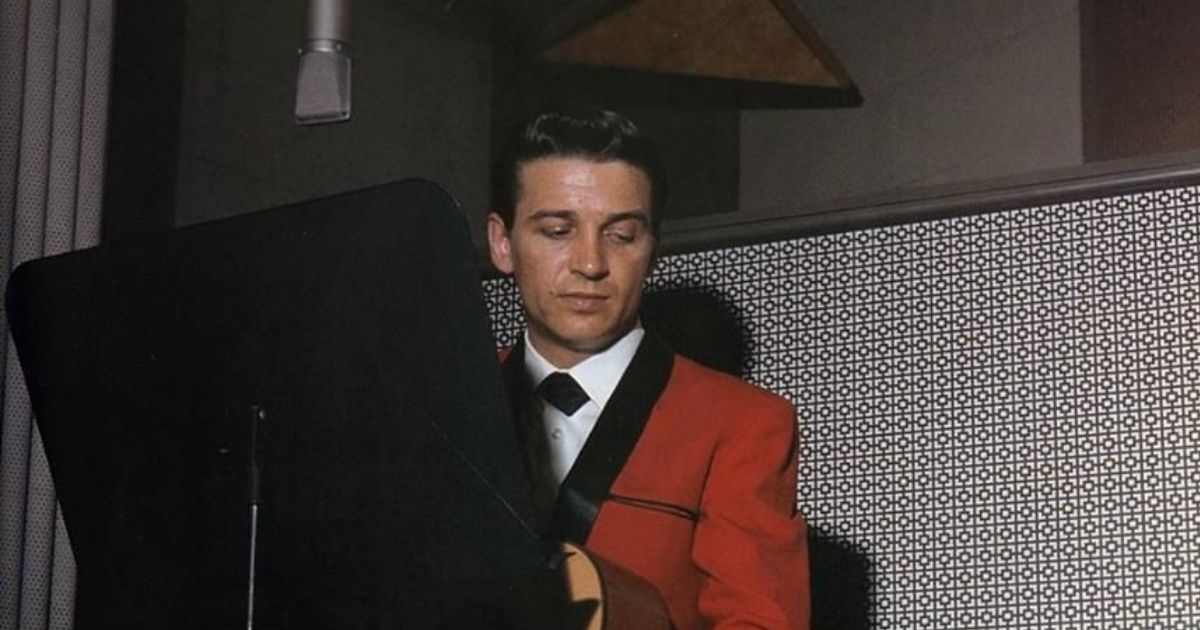
Waylon Jennings’s version of Precious Memories stands out because it came from an artist known primarily for his rebellious, “outlaw” country image. Jennings built his career in the 1970s as one of the leaders of the outlaw country movement, rejecting the polished Nashville sound in favor of gritty, authentic storytelling. Yet beneath his tough exterior, Waylon also had a spiritual and reflective side. His rendition of Precious Memories reveals that softer dimension, offering listeners a glimpse into his personal connection with faith, memory, and the passage of time.
Themes and Lyrics
The central theme of Precious Memories is remembrance of the past, particularly the moments of love, faith, and family that shape one’s spiritual journey. The lyrics are both nostalgic and reverent, recalling childhood experiences of hearing hymns, family prayers, or attending church services.
The song’s refrain—“Precious memories, unseen angels / Sent from somewhere to my soul”—suggests that even though those times are gone, their influence lingers. For many, the hymn serves as a reminder of parents, grandparents, or loved ones who instilled faith in earlier generations.
Key lyrical themes include:
Nostalgia: The longing for simpler times, especially the innocence of childhood and the presence of loved ones.
Faith and comfort: Despite the sadness of loss, the memories offer reassurance that loved ones’ influence remains alive in spirit.
Timelessness: The hymn emphasizes that spiritual truths and memories endure beyond the passage of time.
When Waylon Jennings performs the song, the lyrics take on an even deeper resonance. Known for his turbulent lifestyle, battles with addiction, and complex personal journey, Jennings delivers the hymn with a sincerity that suggests he had experienced both the pain of loss and the comfort of faith.
Musical Arrangement
Waylon Jennings’s version of Precious Memories is musically simple yet emotionally powerful.
Vocal delivery: Jennings’s deep, rugged baritone is the heart of the performance. Unlike some gospel renditions that soar with choir backing, Waylon’s approach is intimate, almost like a personal prayer. His voice conveys both strength and vulnerability.
Instrumentation: The arrangement is minimal, often featuring acoustic guitar, gentle piano, and subtle steel guitar. This stripped-down sound keeps the focus on the message and emotions of the hymn rather than elaborate production.
Tone: Jennings’s outlaw image might suggest defiance, but here his tone is reverent, humble, and reflective, reminding listeners that even the toughest individuals carry memories of faith and family.
This combination of simplicity and emotional depth makes his rendition stand out as both authentic and heartfelt.
Reception and Significance
While Precious Memories was not released as a mainstream hit single by Jennings, his performance has been widely appreciated by fans of both gospel and country music. For listeners familiar with his career, the hymn showed another side of Waylon—one that contrasted with his rebellious songs like Are You Sure Hank Done It This Way or Lonesome, On’ry and Mean.
Fans and critics have noted that Jennings’s interpretation adds credibility to the hymn’s message. Because Waylon was someone who lived a life of extremes—fame, addiction, struggles, redemption—his sincerity when singing Precious Memories feels especially genuine. It becomes less of a performance and more of a testimony.
Cultural and Emotional Impact
Precious Memories has always been a song of deep emotional resonance, but in Jennings’s hands it becomes a bridge between traditional gospel and outlaw country. It reflects the duality of American music—faith and rebellion, sin and redemption, sorrow and hope.
For many fans, Jennings’s rendition recalls their own childhoods, Sunday mornings in church, or moments of grief when such hymns provided comfort. The song connects across generations, uniting people through shared experiences of memory and faith.
Moreover, Jennings’s recording highlights the way even “outlaw” figures turn to faith and reflection later in life. It is a reminder that behind every larger-than-life persona lies a human being shaped by family, love, and spiritual values.
Legacy
Waylon Jennings’s version of Precious Memories continues to be celebrated for its honesty and depth. While not his most commercially famous recording, it endures as one of his most heartfelt. It shows that Jennings, often seen as a defiant figure in country music, also carried a deep reverence for tradition and spirituality.
For gospel and country fans alike, his rendition demonstrates how timeless hymns can be reimagined without losing their sacred essence. Jennings’s Precious Memories is not just a song—it is a meditation on life, love, and the enduring influence of faith-filled moments.
Conclusion
Waylon Jennings’s Precious Memories is a powerful reminder of how music can bridge personal history, faith, and universal human emotions. Rooted in J.B.F. Wright’s original 1925 hymn, Jennings’s interpretation adds a rugged authenticity that makes the song feel both deeply personal and universally relatable.
Through his soulful baritone and stripped-down arrangement, Jennings transforms the hymn into a reflection of his own life—a life of highs and lows, but one still grounded in the “precious memories” of love, family, and faith.
Decades later, his version stands as a moving testament to the fact that even the most rebellious spirits find comfort in memory, tradition, and the eternal truths of gospel music.