
About the song
“Money for Nothing” by Dire Straits
Released in 1985, “Money for Nothing” is one of the most iconic and commercially successful songs by the British rock band Dire Straits. Featured as the second track on their fifth studio album, Brothers in Arms, the song became a global hit, winning critical acclaim and capturing the spirit of the mid-1980s music scene. Known for its memorable guitar riff, controversial lyrics, and innovative music video, “Money for Nothing” remains a timeless classic that continues to resonate with audiences around the world.
Background and Songwriting
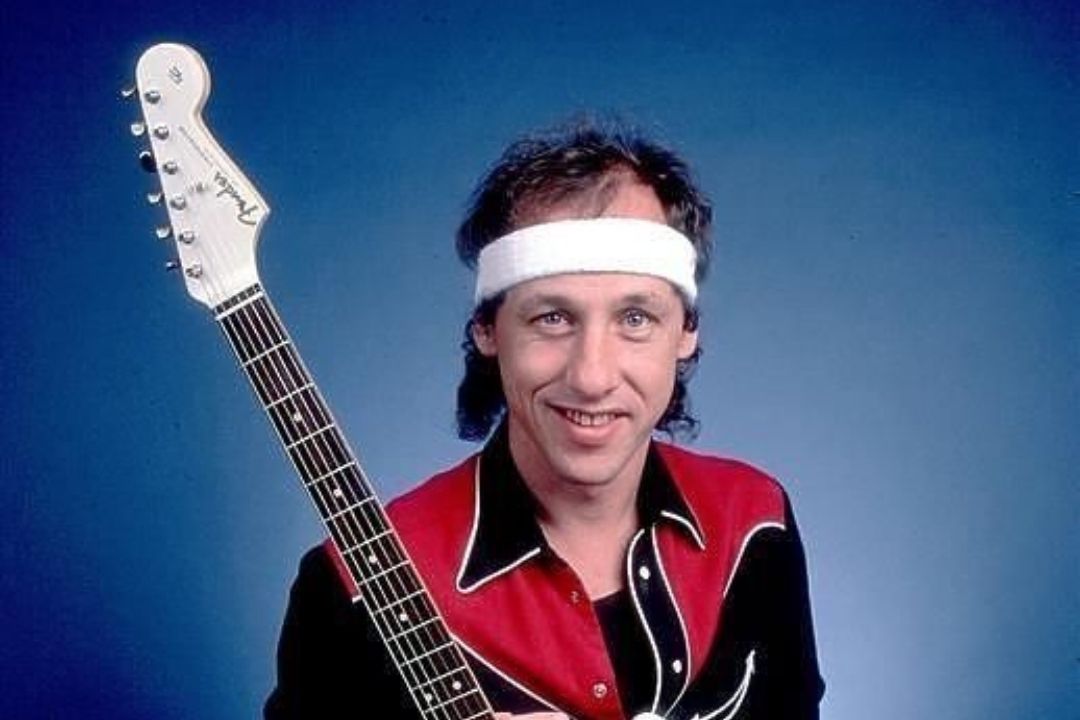
“Money for Nothing” was written by Dire Straits’ frontman Mark Knopfler in collaboration with Sting, the lead singer of The Police, who also provided backing vocals on the track. The song was reportedly inspired by a real-life encounter Knopfler had while shopping in an appliance store in New York City.
While browsing televisions, Knopfler overheard a delivery man mocking and commenting on the rock stars he saw on MTV. The man’s cynical remarks about musicians getting “money for nothing and chicks for free” sparked Knopfler’s imagination. He began jotting down phrases almost verbatim, turning the working-class commentary into the backbone of the song’s lyrics.
This approach gave “Money for Nothing” its unique narrative perspective, offering a critique of both the music industry and the perception of rock star lifestyles from an outsider’s point of view.
Musical Composition and Production
Musically, “Money for Nothing” is built around one of the most recognizable guitar riffs in rock history, performed by Mark Knopfler himself. The distinctive guitar tone was achieved using a Gibson Les Paul Junior guitar played through a Laney amplifier, with Knopfler’s signature fingerpicking style giving the riff its sharp, punchy sound.
The song begins with a soft, ethereal intro called “The Walk of Life Intro” on some releases, featuring Sting’s unmistakable falsetto, singing the repeated line “I want my MTV,” set to a melody reminiscent of The Police’s song “Don’t Stand So Close to Me.”
After this introduction, the track erupts into its full arrangement, driven by Knopfler’s gritty guitar, John Illsley’s bassline, and Terry Williams’ steady drumming. The use of synthesized sounds and gated reverb effects, common production techniques in the 1980s, gave the song a contemporary edge that suited the MTV era perfectly.
Lyrics and Controversy
Lyrically, “Money for Nothing” presents the perspective of a working-class man, envious and critical of rock stars who appear to lead effortless, glamorous lives. The song’s narrator voices frustration, lamenting that musicians get “money for nothing and chicks for free” while he has to do physically demanding labor.
The song cleverly mixes sarcasm, social commentary, and self-awareness, with Knopfler writing from the delivery man’s point of view, even though the words could be seen as offensive or politically incorrect by today’s standards.
However, one part of the lyrics sparked significant controversy: a line containing a homophobic slur that was more culturally accepted in the 1980s but later drew criticism and even led to the song being censored or edited for radio play in later years. In recent times, some radio stations play a revised or shortened version of the song to avoid offense.
Despite this, many fans and critics recognize that the song is a satirical commentary and not a direct expression of the band’s own views.
Chart Performance and Commercial Success
“Money for Nothing” became a massive commercial success. It reached:
#1 on the US Billboard Hot 100
#4 on the UK Singles Chart
Top positions in many countries including Canada, Australia, and various parts of Europe.
It became Dire Straits’ most successful single in the United States and helped the Brothers in Arms album achieve multi-platinum status, selling over 30 million copies worldwide, making it one of the best-selling albums of all time.
The song also earned Dire Straits a Grammy Award for Best Rock Performance by a Duo or Group with Vocal in 1986, further cementing its legacy.
The Groundbreaking Music Video
Another key factor in the song’s success was its innovative music video, which became one of the most played clips on MTV during the mid-1980s. Using early computer-generated animation, the video depicted blocky, 3D animated characters representing the working men from the song’s lyrics.
The visual style, though primitive by today’s standards, was cutting-edge at the time and became symbolic of MTV’s growing cultural influence. The opening line “I want my MTV” was later used as a promotional slogan for the network.
Legacy and Cultural Impact
Decades after its release, “Money for Nothing” remains a staple of classic rock radio and is often cited in discussions of the greatest guitar riffs in rock history. It continues to spark conversations about class perceptions, celebrity culture, and changing social attitudes over time.
The song has also appeared in films, video games, and documentaries, making it a multigenerational hit. For Dire Straits, it became a defining moment in their career, catapulting them to global superstardom.
Conclusion
“Money for Nothing” by Dire Straits is more than just a catchy rock anthem; it’s a social snapshot of the 1980s, blending brilliant musicianship, satirical lyricism, and cutting-edge production techniques. It continues to stand as one of the most memorable and culturally significant rock songs of its time, reminding listeners of the power and pitfalls of fame, media, and societal perception.