
About the song
Background of the Song
City Lights is one of the most enduring and beloved songs in the history of country music, recorded by the legendary Ray Price in 1958. Written by Bill Anderson, who at the time was just a young aspiring songwriter, the song would go on to not only launch Anderson’s career as one of country music’s most respected songwriters but also reaffirm Ray Price’s position as one of the genre’s greatest vocalists.
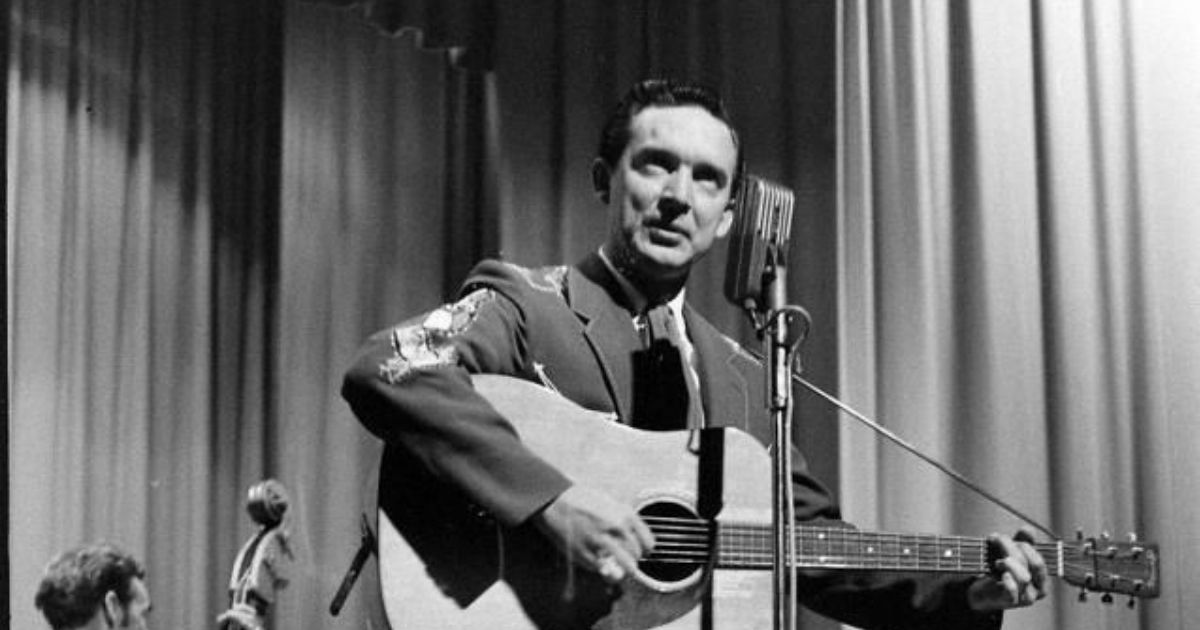
Ray Price was already a well-known figure in country music during the 1950s. Having been closely associated with Hank Williams early in his career and later establishing his own distinct sound, Price brought a polished style to country music that combined honky-tonk traditions with a smoother, more refined vocal delivery. When City Lights was released, it quickly climbed to the top of the charts and became a No. 1 hit on the Billboard Hot Country Songs chart, where it stayed for an impressive 13 consecutive weeks—a remarkable achievement at the time.
The success of City Lights not only cemented Ray Price’s reputation but also signaled a shift in country music, as the genre was beginning to embrace more sophisticated production and broader themes that resonated with both rural and urban audiences.
Themes and Lyrics
At its heart, City Lights is a song about loneliness and disillusionment. Unlike many traditional country songs of the 1950s that focused on rural life, farming, or small-town struggles, City Lights explored the emotional emptiness that can accompany life in the big city.
The lyrics tell the story of someone who looks out at the city’s bright lights but feels only isolation and sadness. The contrast between the bustling city atmosphere and the narrator’s internal loneliness creates a poignant and relatable message: outward glamour and excitement do not necessarily translate into inner happiness.
Key lyrical themes include:
Urban isolation: The city, often seen as a place of opportunity and excitement, is portrayed here as cold and alienating.
Contrast between appearance and reality: While the lights shine brightly and attractively, they cannot mask the emptiness felt inside.
Universal loneliness: The emotions described in the song are not limited to city life but resonate with anyone who has ever felt alone despite being surrounded by people.
This combination of urban imagery with country storytelling gave the song a fresh appeal. It spoke to both traditional country fans and listeners who were themselves experiencing the rapid urbanization of mid-20th century America.
Musical Arrangement
Musically, City Lights reflects Ray Price’s ability to blend honky-tonk roots with a more modern, smooth sound.
Vocal performance: Price’s rich baritone voice is the centerpiece of the song, conveying both strength and vulnerability. His delivery is measured, emotional, and deeply expressive, which perfectly matches the mood of the lyrics.
Instrumentation: The arrangement includes traditional country instruments like the steel guitar and fiddle, giving the song its honky-tonk authenticity. At the same time, the production is cleaner and more polished than much of the raw honky-tonk of the 1940s, foreshadowing the smoother “Nashville Sound” that would dominate the 1960s.
Tempo and rhythm: The moderate tempo allows the song to breathe emotionally, giving listeners time to absorb the weight of the lyrics while still keeping it accessible for radio play.
The combination of traditional country roots with a more refined, modern approach helped City Lights appeal to a wide audience and demonstrated Ray Price’s ability to evolve with the times.
Reception and Popularity
Upon release, City Lights was an instant success. Spending 13 weeks at the top of the country charts in 1958, it became one of Ray Price’s signature hits and one of the defining songs of the decade. Its impact was felt not only in terms of commercial success but also in its influence on the direction of country music.
The song also launched the career of Bill Anderson, who would go on to write countless other classics and become one of the most important songwriters in the history of country music. For Anderson, having his song recorded by an artist of Ray Price’s stature was a turning point that validated his talent and opened the door for decades of success.
Cultural and Historical Significance
City Lights holds a special place in country music history because it represented a bridge between eras. On one hand, it carried the tradition of honky-tonk storytelling and emotional directness; on the other, it introduced a more sophisticated production style that hinted at where country music was headed in the 1960s and beyond.
It also reflected broader cultural changes in America. By the late 1950s, many Americans were moving from rural areas to cities, experiencing both the excitement and alienation of urban life. City Lights captured that emotional experience in a way that resonated widely with listeners.
The song has been covered by other artists over the years, but Ray Price’s version remains the definitive interpretation. His ability to embody the melancholy and emotional depth of the lyrics is unmatched, making his performance timeless.
Legacy
Decades after its release, City Lights is still regarded as one of the greatest country songs of all time. It continues to be celebrated by fans of classic country, frequently included in retrospectives, radio playlists, and compilations of Ray Price’s best work.
For Ray Price, the song is a cornerstone of his career—a track that not only showcased his unique vocal talents but also demonstrated his ability to adapt to changing musical landscapes. For Bill Anderson, it was the beginning of a legendary songwriting career that would span more than half a century.
Ultimately, City Lights stands as a testament to the enduring power of great storytelling, emotional honesty, and timeless performance in music.
Conclusion
Ray Price’s City Lights is more than just a hit song—it is a landmark moment in country music. With its heartfelt lyrics about loneliness amid urban life, its blend of honky-tonk tradition and modern polish, and its remarkable success on the charts, the song has earned its place as a classic.
Through City Lights, Ray Price solidified his role as one of country music’s most influential voices, while Bill Anderson began his ascent as one of the genre’s greatest songwriters. Together, they created a piece of music that continues to move listeners, proving that even in the brightest of city lights, human emotions remain timeless.