
About the song
Background of the Song
In The Jailhouse Now is one of the most iconic songs in the history of country and traditional American music, and Ernest Tubb’s version holds a particularly important place in its long legacy. Originally written and performed in the early 20th century, the song became popular through vaudeville and early country performers before achieving widespread fame thanks to Jimmie Rodgers, the “Father of Country Music,” who recorded it in 1928.
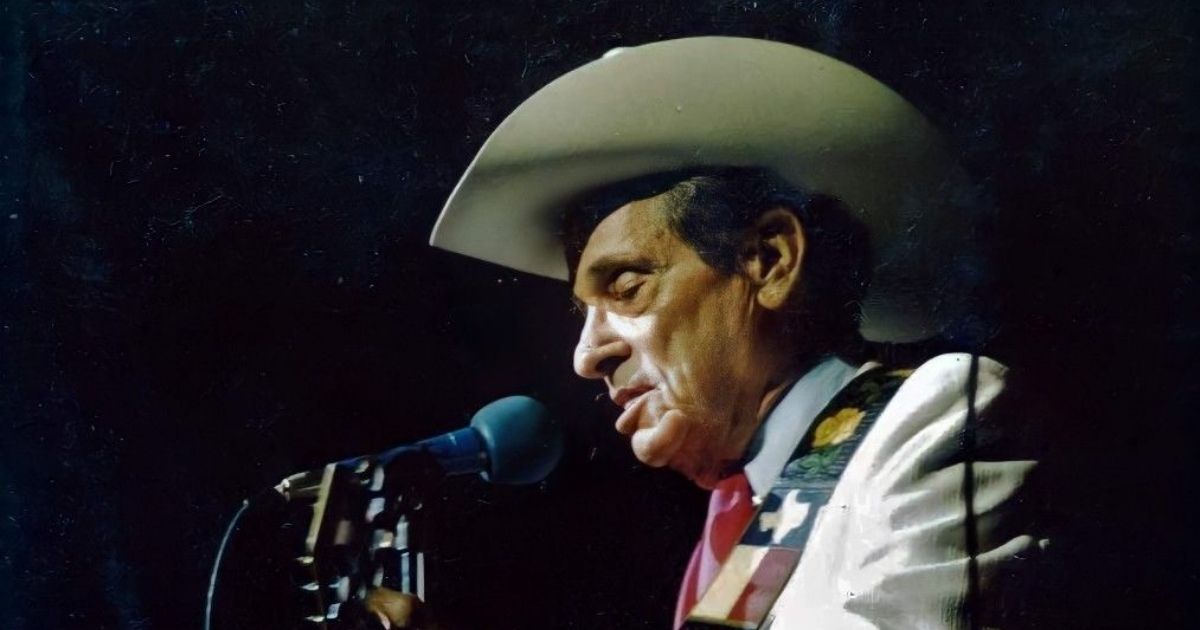
Ernest Tubb, who was known as the “Texas Troubadour,” recorded his version years later, adding his own distinctive honky-tonk style and baritone voice. By the time Tubb released his rendition, he was already an established figure in country music, having popularized honky-tonk in the 1940s and 1950s. His interpretation of In The Jailhouse Now not only kept the song alive for a new generation but also added a fresh honky-tonk energy that connected with post-war audiences who were experiencing shifts in culture, society, and musical taste.
Themes and Lyrics
At its core, In The Jailhouse Now is a humorous cautionary tale about mischief, irresponsibility, and the consequences of bad behavior. The song tells the story of a man who finds himself repeatedly landing in jail due to his antics, gambling, and questionable choices.
The lyrics often vary depending on the version, but they typically follow a narrative pattern of:
The mischievous character: The protagonist, sometimes portrayed as “Ramblin’ Bob” or another troublemaker, gets into scrapes with the law.
The consequences: His gambling, drinking, or womanizing ways ultimately lead him to jail.
Humorous resignation: The song is not dark or tragic, but rather playful, poking fun at the misadventures that land the character “in the jailhouse now.”
This blend of lighthearted humor with a moral undertone made the song appealing to audiences of its time. It combined entertainment with a bit of a lesson—while the antics are amusing, they also highlight that reckless living has consequences.
Ernest Tubb’s Musical Approach
Ernest Tubb’s version of In The Jailhouse Now stands out because of his distinct honky-tonk sound. Unlike earlier versions, which leaned more toward the yodeling tradition of Jimmie Rodgers or the vaudeville delivery of early performers, Tubb brought a straightforward, no-nonsense vocal style.
Vocal style: Tubb’s deep, steady baritone delivered the lyrics with a mix of humor and authority. He avoided elaborate vocal flourishes, instead opting for clarity and relatability, which was central to his style.
Instrumentation: His recording featured classic honky-tonk elements: steel guitar, fiddle, and a steady rhythm section. This created a sound that was both lively and grounded, making the song suitable for dance halls and honky-tonk bars.
Tempo and mood: Unlike some earlier versions that carried a more playful bounce, Tubb’s rendition had a slightly more grounded tone, blending humor with the signature honky-tonk straightforwardness.
This approach allowed the song to remain relevant and appealing in the 1940s and 1950s, bridging traditional country storytelling with the more modern honky-tonk era.
Reception and Popularity
While In The Jailhouse Now had already been a staple in country music thanks to Jimmie Rodgers’ iconic recording, Ernest Tubb’s version helped revive its popularity during a time when honky-tonk was rising as the dominant style in country music. His interpretation introduced the song to a younger audience, many of whom may not have been familiar with Rodgers’ earlier work.
Tubb’s performance of the song was warmly received, both in live shows and recordings. It became a regular part of his repertoire, showcasing his ability to take older, traditional material and give it a fresh identity without losing its charm.
Cultural and Historical Significance
In The Jailhouse Now is significant not only as a song but also as a cultural artifact. It represents the way country music has often balanced humor with moral storytelling. The song’s playful tone softened its message, making it enjoyable while still carrying a warning about the pitfalls of reckless living.
Ernest Tubb’s version, in particular, is a reflection of his role as a bridge between generations. He respected the traditions of earlier country pioneers like Jimmie Rodgers while simultaneously shaping the sound of honky-tonk that would dominate mid-20th-century country music.
The song also highlights the adaptability of country music. Starting from vaudeville humor, evolving through Jimmie Rodgers’ yodel-infused delivery, and then reimagined through Ernest Tubb’s honky-tonk style, In The Jailhouse Now has proven to be a timeless piece of Americana.
Legacy
The legacy of Ernest Tubb’s rendition of In The Jailhouse Now lies in its preservation of a classic song while updating it for new audiences. His version helped ensure that the song remained part of the country music canon, later influencing other artists who would perform it, including Webb Pierce, Merle Haggard, and even its appearance in modern contexts like the O Brother, Where Art Thou? soundtrack performed by The Soggy Bottom Boys.
For Tubb, the song fit perfectly into his repertoire of honky-tonk standards, reinforcing his image as a performer who combined tradition with accessibility. His approach to In The Jailhouse Now reflected his broader philosophy: country music should be honest, straightforward, and relatable to everyday people.
Conclusion
Ernest Tubb’s version of In The Jailhouse Now is more than just another recording of a well-known song—it is a reinterpretation that captured the spirit of honky-tonk while honoring country music’s roots. With its humorous storytelling, steady honky-tonk arrangement, and Tubb’s signature vocal style, the song continues to resonate as both a piece of entertainment and a slice of musical history.
Through this rendition, Tubb helped carry a classic forward, ensuring that In The Jailhouse Now remained alive in the hearts of country fans for decades to come. It stands as a testament to his ability to balance tradition with innovation, and to his lasting role as one of country music’s most important figures.