
About the song
Background and Release
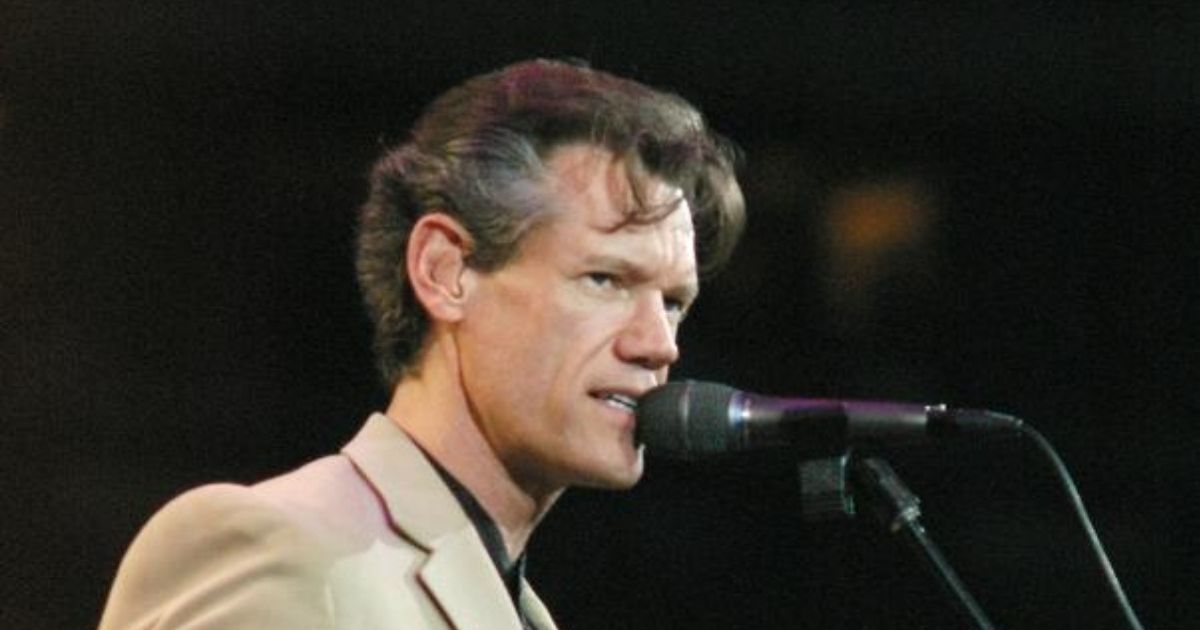
Randy Travis, one of country music’s most beloved voices, became famous in the 1980s and 1990s for his rich baritone and his ability to bring traditional country storytelling back to the forefront of Nashville. Among his many hits, “He Walked on Water” stands out as one of his most heartfelt and enduring songs. Released in 1990 as the fourth single from his multi-platinum album No Holdin’ Back (1989), the track quickly struck a chord with listeners and climbed to number two on the Billboard Hot Country Songs chart.
Written by Allen Shamblin, “He Walked on Water” is not just a typical country ballad about love or heartbreak—it is a deeply personal song about family, memory, admiration, and the way children view their elders. Shamblin, who based the lyrics on his own relationship with his great-grandfather, managed to capture a universally relatable theme: the awe and reverence that grandchildren often feel toward their grandparents. Randy Travis, with his unmatched ability to convey sincerity and emotion, turned the song into a masterpiece of country storytelling.
Musical Style and Arrangement
Musically, “He Walked on Water” is simple yet profoundly moving. The arrangement features gentle acoustic guitar, soft steel guitar, and understated percussion that allows the lyrics and Travis’s voice to remain the centerpiece. The production avoids heavy layering, instead creating a warm and intimate atmosphere—almost as though Travis is sitting in a living room, telling a story directly to the listener.
Travis’s baritone carries the song with grace, depth, and tenderness. His vocal delivery is restrained, never overdramatic, which enhances the authenticity of the narrative. The subtle musical backdrop paired with his emotive voice makes the listener focus on the lyrics, letting the story unfold with honesty and clarity.
Lyrical Themes
At its core, “He Walked on Water” is a song about childhood perception and the idealized way we remember loved ones. The narrator recalls his great-grandfather, a man who lived through hard times, wore old-fashioned clothes, and carried the marks of a life of labor. To the young boy, however, the great-grandfather seemed larger than life, almost saint-like—so much so that the child believed “he walked on water.”
This metaphor encapsulates the innocence of childhood admiration. As children, we often see our grandparents or elders as heroic figures, untouched by flaws. The song beautifully balances this sense of awe with nostalgia and maturity. As an adult, the narrator reflects on those memories with gratitude, recognizing how rare and special those moments were.
The lyrics touch on several universal themes:
Generational Bonds: It honors the wisdom, endurance, and quiet dignity of older generations.
Childhood Innocence: It portrays how children see the world with unfiltered admiration.
Memory and Legacy: It emphasizes how the stories and lives of our elders shape who we become.
This combination of themes makes the song timeless, resonating with anyone who has cherished memories of grandparents or elder mentors.
Reception and Success
Upon its release, “He Walked on Water” received widespread acclaim from fans and critics. It became one of Randy Travis’s most requested songs and was praised for its emotional depth and relatability. Though it stopped just short of reaching number one, peaking at number two, the song has endured as one of his signature tracks and remains a favorite among fans decades later.
Many listeners connected with the song on a deeply personal level. For some, it reminded them of their own grandparents or childhood memories, making the track more than just music—it became a sentimental reflection of family bonds. The song also showcased Randy Travis’s ability to choose material that resonated beyond commercial appeal, strengthening his reputation as a sincere storyteller.
Cultural and Emotional Impact
“He Walked on Water” holds a special place in country music because of its universal appeal. Unlike songs that focus on romance or heartbreak, it touches on something every listener can relate to: family and the passage of time. The song also came at a moment when country music was embracing more polished productions, yet Travis stayed true to traditional simplicity, proving that heartfelt lyrics and genuine emotion could still capture audiences.
The track also highlighted the influence of Allen Shamblin, the songwriter, whose personal story gave the song its authenticity. Shamblin’s ability to turn his childhood memories into lyrics that millions of listeners could relate to underscores the power of country songwriting.
Legacy
Today, more than three decades after its release, “He Walked on Water” remains one of Randy Travis’s most treasured songs. It has been covered and performed by other artists, but none capture the tenderness and sincerity of Travis’s original recording. The track continues to be played at family gatherings, memorials, and celebrations of life, making it not just a country hit but a cultural touchstone.
For Randy Travis, the song represents his ability to bridge personal storytelling with universal themes. It stands as a testament to his artistry and to the enduring tradition of country music as a vehicle for heartfelt narratives about life, love, and legacy.
Conclusion
Randy Travis’s “He Walked on Water” is more than a country song—it is a timeless reflection on family, childhood innocence, and the enduring impact of those who came before us. With its tender lyrics, understated arrangement, and Travis’s soulful delivery, the song transforms personal memory into universal truth.
It is a reminder of how music can preserve the people and moments we hold dear, ensuring that even as time moves on, the ones we admire live on in memory. In the grand tapestry of country music, “He Walked on Water” remains a shining thread, celebrating love, respect, and the bonds that define who we are.