
About the song
Background and Release
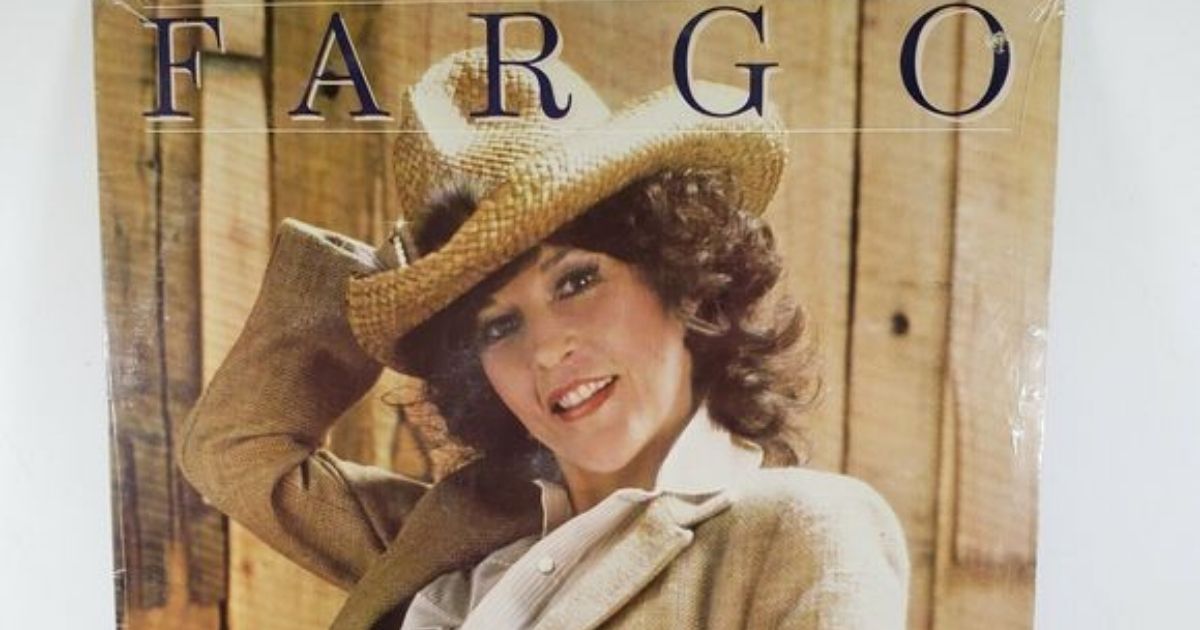
In the early 1970s, country music was experiencing a moment of transition. The genre was expanding its audience by blending traditional elements with mainstream appeal, opening the door for fresh voices and new perspectives. One of those new voices was Donna Fargo, a singer-songwriter who quickly captured the hearts of listeners with her optimism, charm, and undeniable talent. Her breakout single, “The Happiest Girl in the Whole U.S.A.”, became not only her signature song but also a cultural anthem of joy and positivity.
Released in 1972 as the lead single from her debut album of the same name, the song immediately made waves in the music industry. It climbed to number one on the Billboard Hot Country Singles chart and also crossed over into the pop market, reaching number 11 on the Billboard Hot 100. This kind of crossover success was rare for a country artist at the time, especially for a female newcomer. The track helped launch Donna Fargo’s career, establishing her as one of the most recognizable voices of the decade.
Musical Style and Arrangement
Musically, “The Happiest Girl in the Whole U.S.A.” is light, bright, and uplifting. The song features a mix of country instrumentation, including steel guitar and acoustic strumming, blended with pop-friendly melodies. The tempo is upbeat, almost bouncing, perfectly mirroring the cheerful theme of the lyrics.
Fargo’s warm and expressive voice carries the song with a sense of sincerity and delight. Her vocal delivery radiates happiness, making listeners feel that her joy is genuine rather than simply performed. This vocal authenticity, combined with the catchy melody, helped the song appeal to a wide range of audiences, from traditional country fans to mainstream pop listeners.
Lyrical Themes
At its heart, the song is a celebration of love, contentment, and gratitude. The narrator sings about the sheer happiness of being in love and how it transforms her view of life. Every detail in the song—from waking up in the morning to sharing everyday moments with a partner—is infused with joy.
Lines like “Shine on me sunshine, walk with me world” capture the exuberance of someone who feels like everything is brighter because of love. The title itself, “The Happiest Girl in the Whole U.S.A.”, conveys the universal feeling of being so overjoyed in a relationship that one feels uniquely blessed, as though no one else in the world could possibly feel the same level of happiness.
The lyrics stand out because they are both simple and heartfelt. There is no pretense, no attempt to intellectualize love. Instead, the song celebrates the small, everyday joys that come from being with someone who makes life complete.
Reception and Success
The song was an enormous success for Donna Fargo, both commercially and critically. Not only did it top the country charts, but its crossover into the pop world made Fargo one of the few artists at the time to achieve mainstream recognition outside of country music.
The song earned her the Grammy Award for Best Female Country Vocal Performance in 1973, a remarkable achievement for a debut single. It also won her accolades from the Academy of Country Music (ACM) and the Country Music Association (CMA), cementing her reputation as one of the brightest new stars of the early ’70s.
For many listeners, the song was refreshing in its positivity. In an era marked by social upheaval, political conflict, and cultural change, “The Happiest Girl in the Whole U.S.A.” offered a message of hope, love, and optimism. Its cheerful tone provided an escape from the anxieties of the time, which likely contributed to its widespread popularity.
Cultural and Emotional Impact
Beyond its commercial success, the song had a profound cultural impact. It became an anthem for women expressing joy in love and domestic life, offering a counter-narrative to the often melancholic or heartbroken themes common in country music. Fargo’s upbeat portrayal of a woman reveling in her happiness resonated with audiences who longed for music that was lighthearted and affirming.
The track also contributed to the increasing visibility of female artists in country music. Fargo’s success demonstrated that women could not only succeed but also dominate both the country and pop charts with the right material. This helped open the door for later female artists who sought crossover success, such as Dolly Parton, Barbara Mandrell, and Shania Twain.
Legacy
More than fifty years after its release, “The Happiest Girl in the Whole U.S.A.” remains Donna Fargo’s most iconic song. It continues to be celebrated as a classic example of early 1970s country-pop crossover and is often featured in retrospectives of great country hits. The song has been covered and referenced in various contexts, but it is Fargo’s original recording—with her unmistakable voice and heartfelt delivery—that continues to resonate most deeply with audiences.
For Donna Fargo herself, the song marked the beginning of a successful career that included several more hits, such as “Funny Face” and “Superman.” Yet “The Happiest Girl in the Whole U.S.A.” has always stood out as her signature piece, the track that defined her musical identity and earned her a permanent place in country music history.
Conclusion
Donna Fargo’s “The Happiest Girl in the Whole U.S.A.” is more than a chart-topping single—it is a timeless celebration of joy, love, and gratitude. With its upbeat melody, heartfelt lyrics, and Fargo’s radiant vocal performance, the song captured the spirit of optimism and became a landmark moment in both country and pop music.
Its enduring appeal lies in its simplicity and sincerity, reminding listeners that happiness can be found in life’s everyday moments, especially when shared with someone you love. As one of the most memorable songs of the 1970s, it continues to shine as a testament to the power of positivity in music.