
About the song
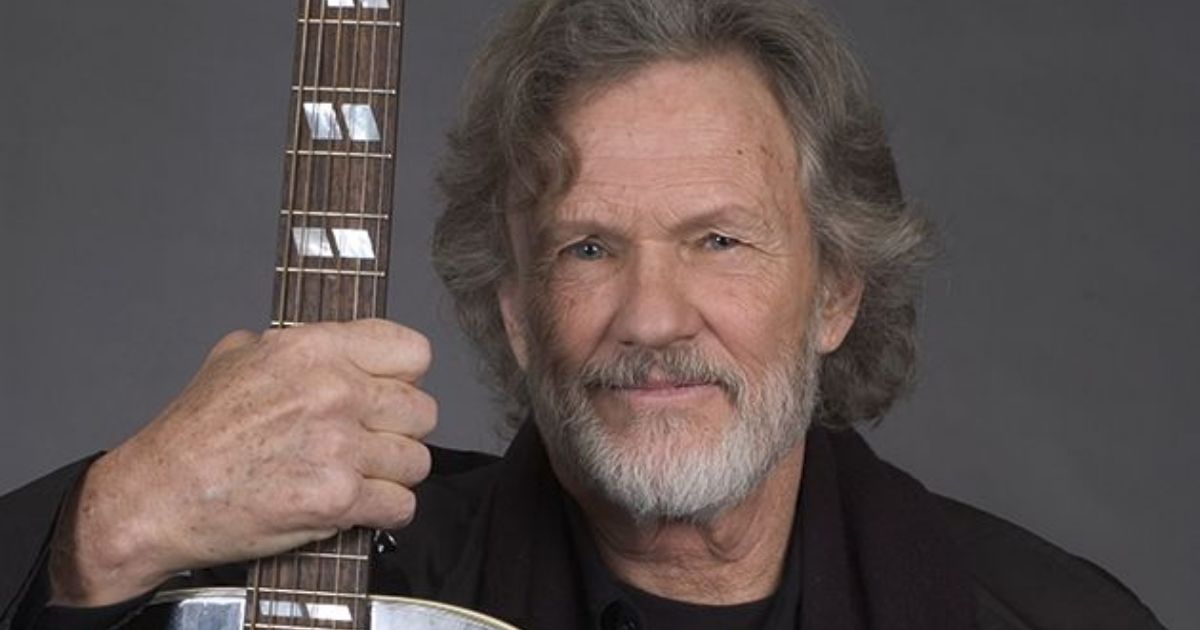
Kris Kristofferson’s “They Killed Him” stands as one of the most powerful, introspective, and socially conscious songs of his long and storied career. Written in the early 1980s and first released on his 1986 album Repossessed, the song serves as a poignant tribute to some of history’s most revered and self-sacrificing figures — men who dedicated their lives to love, peace, and justice, only to be struck down by violence. These figures include Jesus Christ, Mahatma Gandhi, Martin Luther King Jr., and John and Robert Kennedy — all individuals who embodied compassion and moral courage, and whose deaths left deep scars on humanity’s conscience.
With “They Killed Him”, Kristofferson channeled his own moral and spiritual convictions into a deeply emotional narrative that mourns the world’s tendency to destroy its prophets and peacemakers. The song is both a lament and a warning, a reflection on how society often fails to live up to the ideals it claims to admire.
Background and Inspiration
Kris Kristofferson, long known for his poetic honesty and moral sensitivity, has often written songs that go beyond personal heartbreak or storytelling to confront deeper ethical and spiritual questions. By the time he wrote “They Killed Him”, Kristofferson was already recognized not just as a country artist, but as one of the most literate and socially aware songwriters of his generation.
The early 1980s were a period of personal and political reflection for him. The world was facing renewed tensions — from Cold War anxieties to social and racial divisions in America — and Kristofferson, known for his humanitarian outlook, found himself meditating on the cost of moral leadership. “They Killed Him” was his attempt to honor those who had stood for truth and peace, even when doing so meant facing hatred, persecution, and death.
The song was first recorded by Kristofferson himself, but it later gained wider attention when it was covered by Bob Dylan on his 1986 album Knocked Out Loaded. Dylan’s version helped bring the song to a larger audience, yet the raw conviction of Kristofferson’s original performance remains unmatched — a voice trembling with grief, faith, and anger at humanity’s failure to protect its visionaries.
Lyrics and Meaning
At its core, “They Killed Him” is both a eulogy and a sermon. The song’s structure resembles a hymn — slow, solemn, and meditative — inviting listeners to reflect on the repeated tragedy of moral greatness being met with violence.
It begins with the story of Jesus Christ, the ultimate symbol of selfless love and sacrifice:
“There was a man named Jesus, lived in a land of sin and shame,
Taught love and brotherhood, and the name was never the same.”
Through these lines, Kristofferson connects the spiritual message of Christ to a universal call for compassion. But then comes the heartbreak:
“They killed him, and those brothers,
And they killed the boys of peace.”
The refrain is devastatingly simple — “They killed him” — yet it carries immense emotional weight. It’s an indictment of human hypocrisy: we praise prophets for their messages of love, yet destroy them when their truth becomes uncomfortable.
The song then moves through other historical figures — Gandhi, Martin Luther King Jr., and the Kennedy brothers — all of whom devoted their lives to nonviolence, justice, and equality. Each verse is written with both reverence and sorrow, illustrating how these men were united not only by their ideals but also by their tragic fates.
Kristofferson does not simply recount history; he draws a moral pattern. Each verse is a mirror reflecting humanity’s ongoing cycle of hope and betrayal. The repetition of “They killed him” serves as a grim chorus — a ritual of remembrance and guilt.
Yet beneath the sorrow lies a glimmer of faith. The final lines suggest that their spirits live on, inspiring others to continue their work:
“The only thing that changes
Is the faces and the names.”
This refrain turns the song from mourning into a challenge. It reminds listeners that the same moral courage that animated these great figures can still be found — and must still be defended — in every generation.
Musical Style and Composition
Musically, “They Killed Him” is spare and reverent. Kristofferson’s deep, gravelly voice carries the song like a preacher delivering a somber sermon. The instrumentation is minimal — primarily acoustic guitar, light percussion, and gospel-style backing vocals — allowing the lyrics to take center stage.
The melody is slow and hymn-like, evoking a sense of sacred reflection. Its simplicity enhances its power: there are no flashy arrangements or dramatic climaxes, just a steady rhythm and honest emotion. Kristofferson’s phrasing gives the song a human quality — sometimes imperfect, but always heartfelt.
The gospel influence is unmistakable. The use of choral harmonies and the meditative pacing give “They Killed Him” the feel of a prayer set to music, blurring the line between folk, country, and spiritual song traditions. It stands as one of Kristofferson’s most soulful compositions — a piece meant less for entertainment than for contemplation.
Themes and Symbolism
The central theme of “They Killed Him” is moral martyrdom — the tragedy of how society repeatedly turns against those who embody truth and love. But beneath this theme lies a deeper question: why does humanity continue to destroy what it needs most?
Kristofferson seems to suggest that people fear change and moral confrontation. Prophets, reformers, and dreamers hold up a mirror to our collective conscience, forcing us to face our own cruelty and indifference. Their deaths become both a moral failure and a warning.
Another important theme is the continuity of the human spirit. Though the figures named in the song are gone, their message endures — in art, in activism, and in faith. The song becomes an act of resurrection, giving voice to those silenced by violence and reminding listeners that ideals cannot be killed as easily as bodies.
Kristofferson also weaves subtle biblical and universal symbolism throughout. The repetition of “They killed him” echoes the lamentations of Scripture — a refrain of mourning and accountability that calls on listeners to do better.
Emotional and Cultural Impact
Upon its release, “They Killed Him” was not a commercial hit, but it resonated deeply with those who valued moral and spiritual songwriting. Many critics praised it as one of Kristofferson’s most profound works — a song that dared to blend theology, history, and protest into one simple melody.
The song also found a new life when Bob Dylan recorded it, demonstrating the respect one legendary songwriter had for another. Dylan’s version, though more gospel-inflected, carried the same solemn power and helped preserve the song’s message for new audiences.
To this day, “They Killed Him” remains one of the few country songs that directly addresses the deaths of major moral leaders. Its relevance has not faded; in a world still divided by violence and intolerance, Kristofferson’s words feel painfully current.
Conclusion
Kris Kristofferson’s “They Killed Him” is more than just a song — it is a moral testament. It mourns the loss of those who stood for love and truth while warning that the same forces of hatred and ignorance still linger. Through its restrained melody and haunting lyrics, Kristofferson transforms grief into reverence and despair into a call for awareness.
In honoring Jesus, Gandhi, King, and the Kennedys, he reminds listeners that these figures are not distant heroes, but reflections of the human potential for goodness — a potential too often extinguished by fear. Yet the song ends not in despair, but in quiet hope. The message lives on, urging each new generation to listen, to learn, and to keep the flame of compassion alive.