
About the song
“Wild Montana Skies” is one of John Denver’s most heartfelt and evocative songs, capturing the majesty of the American West while reflecting deeply on themes of belonging, identity, and the eternal bond between people and nature. Released in 1983 on Denver’s album It’s About Time, the song features a stunning duet with Emmylou Harris, blending two of the most distinctive voices in country and folk music. Together, they create a musical portrait of rugged landscapes and restless souls — a timeless ode to freedom and the spirit of the frontier.
John Denver, renowned for his love of nature and the American outdoors, wrote “Wild Montana Skies” as a tribute to the landscapes that inspired him. The song not only celebrates the beauty of Montana — with its wide-open plains, snow-capped mountains, and endless skies — but also uses that natural imagery to explore human longing and the search for purpose. It’s a perfect encapsulation of Denver’s artistry: a blend of environmental reverence, storytelling, and spiritual introspection.
Background and Context
By the early 1980s, John Denver had already become one of America’s most beloved singer-songwriters, with hits like “Take Me Home, Country Roads,” “Annie’s Song,” and “Rocky Mountain High.” However, “Wild Montana Skies” marked a mature phase in his career. Released on It’s About Time in 1983, the song came at a moment when Denver was using his music to address not just love and beauty, but also the deeper connections between humanity and the earth.
Montana held a special place in Denver’s imagination. Though he lived in Colorado, he saw the entire Rocky Mountain region as sacred ground — a place where one could feel both small and infinite at once. The song, therefore, functions both as a geographic love letter and as a symbolic exploration of American identity. Collaborating with Emmylou Harris added a new emotional depth; her ethereal harmonies enrich the song’s storytelling and give voice to the feminine perspective in this tale of return and remembrance.
Story and Lyrical Meaning
At its core, “Wild Montana Skies” tells the story of a young man born in the rugged mountains of Montana, who leaves his home to see the world but never escapes the pull of his birthplace. The opening verse paints a vivid picture:
“He was born in the Bitterroot Valley in the early morning rain / Wild geese over the water, heading north and home again.”
Right from the beginning, Denver places the listener in a natural setting that is both majestic and melancholic. The “wild geese heading north” serve as a metaphor for instinct — the irresistible call to return to where one belongs. The imagery evokes the eternal cycle of migration, of leaving and returning, which mirrors the human experience of growing up, wandering, and longing for home.
As the song continues, the narrative becomes more personal and reflective. The man leaves Montana to chase dreams and experience life, yet something inside him remains unsettled:
“Oh Montana, give this child a home / Give him the love of a good family and a woman of his own.”
These lines encapsulate the deep yearning for roots and stability. The narrator recognizes that freedom and adventure, while thrilling, cannot replace the comfort of belonging. Denver’s lyrics capture a universal truth — that even the most independent spirits need connection and grounding.
The chorus — “Underneath the wild Montana skies” — acts as both a refrain and a spiritual anchor. The skies symbolize more than a place; they represent freedom, destiny, and divine beauty. The man’s life, no matter where it leads, remains forever tied to those skies.
By the end of the song, there’s a sense of coming full circle — the understanding that one’s identity is inseparable from the land that shaped them. Denver’s storytelling is not just about one man’s journey, but about the timeless American tension between wanderlust and homecoming.
Musical Style and Arrangement
Musically, “Wild Montana Skies” is classic John Denver — a seamless fusion of folk, country, and soft rock. The arrangement features bright acoustic guitars, gentle percussion, and soaring harmonies that evoke the vastness of Montana’s landscape. The production feels organic, almost pastoral, allowing the listener to visualize open skies and endless mountains.
Denver’s vocals are warm and sincere, filled with admiration and nostalgia. Emmylou Harris’s voice provides a perfect counterpart — soft, haunting, and angelic. Their harmonies blend like wind and water, creating a sense of dialogue between the masculine and feminine energies in the song. This interplay reinforces the song’s emotional balance between strength and tenderness, solitude and companionship.
Themes and Emotional Depth
Several major themes define “Wild Montana Skies”:
Home and Identity – The song explores how one’s origins continue to shape identity, even after years of distance. Montana becomes both a literal and metaphorical home — the source of the self.
Freedom and Nature – As with much of Denver’s music, nature is portrayed as a living, spiritual force. The wild skies represent both freedom and humility before the grandeur of creation.
Longing and Belonging – The protagonist’s internal conflict — the desire to explore versus the yearning to return — reflects a universal emotional truth. The further we go, the more we realize what we left behind.
Spiritual Reflection – There’s a subtle spiritual dimension to the song. The land and sky are not just physical spaces but symbols of divine connection, peace, and transcendence.
Reception and Legacy
Although “Wild Montana Skies” was not a massive commercial hit compared to Denver’s earlier singles, it became one of his most respected and enduring songs among fans and critics. It’s often praised for its mature songwriting and emotional honesty. The song has since been embraced as an unofficial anthem for the state of Montana, frequently appearing in regional documentaries, nature programs, and tourism campaigns celebrating the American West.
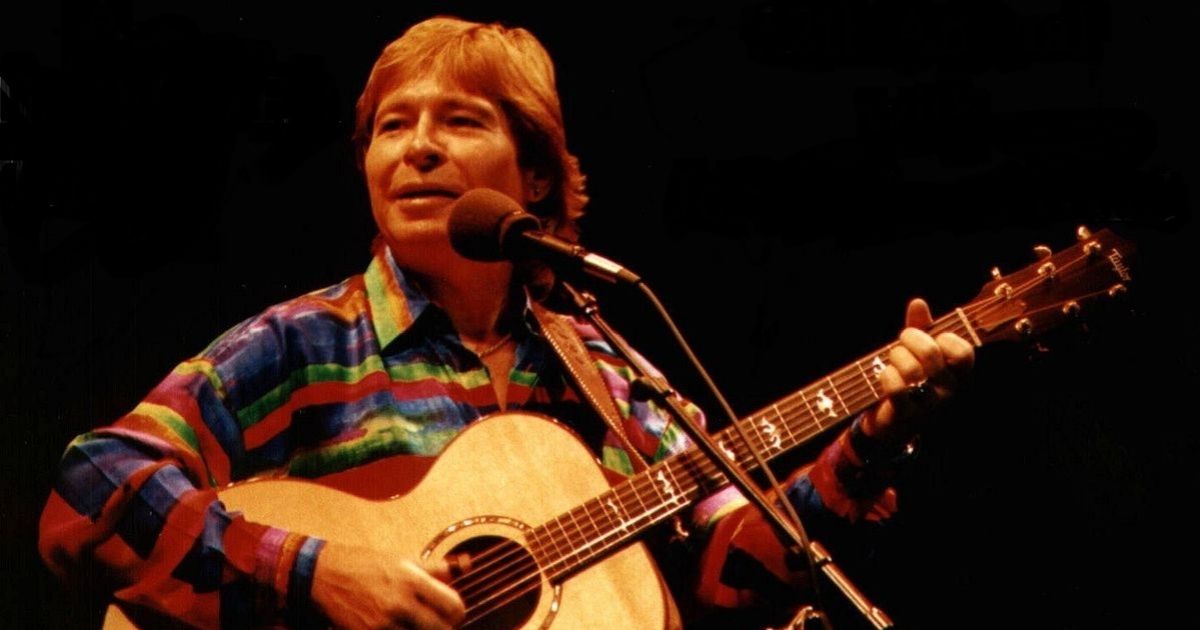
John Denver himself considered the song one of his favorites, often performing it during live shows. The duet with Emmylou Harris remains a highlight of his later career, demonstrating his continued ability to create emotionally resonant, environmentally inspired music.
Conclusion
“Wild Montana Skies” stands as a testament to John Denver’s unparalleled gift for capturing the human spirit in harmony with the natural world. It is a song that speaks not only of Montana but of all the wild, beautiful places that shape who we are. Through its poignant lyrics, heartfelt vocals, and sweeping melody, Denver and Harris invite listeners to reflect on their own journeys — where they come from, what they’ve lost, and where they truly belong.
Ultimately, “Wild Montana Skies” is more than just a song about a place. It’s about the call of home, the pull of nature, and the search for meaning beneath skies that stretch beyond human comprehension. Decades after its release, it remains one of John Denver’s most profound and timeless works — a musical love letter to the land, the spirit, and the endless horizon that defines the American heart.