
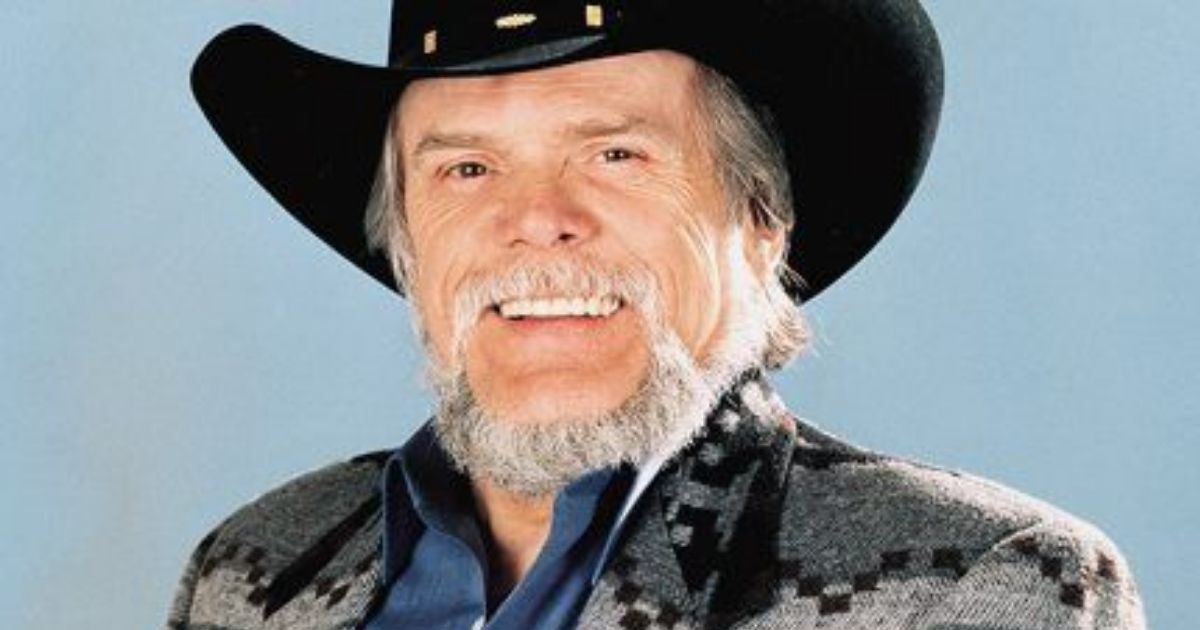
About the song
Background of the Song
“Old Violin” is one of the most hauntingly beautiful and autobiographical songs ever recorded by Johnny Paycheck, the outlaw country singer known for his raw honesty and emotional delivery. Released in 1986 on the album Modern Times, the song came at a time when Paycheck’s career was entering a new phase. Having already achieved fame with hits like “Take This Job and Shove It” and “Slide Off of Your Satin Sheets”, Paycheck used Old Violin to reflect on his own struggles, regrets, and mortality.
Written by Johnny Paycheck himself, the song is often regarded as his farewell statement—almost like a musical epitaph. Though he would live another two decades after its release, the lyrics foreshadow the weariness and introspection of a man who had lived hard and paid the price. For many country fans, Old Violin stands alongside his greatest work and remains one of the most powerful ballads in traditional country music.
Themes and Lyrics
The lyrics of Old Violin are deeply metaphorical, using the image of a worn, aging violin as a stand-in for the singer himself. Much like an old instrument, he feels used, weathered, and no longer in tune with the world around him.
Key themes include:
Aging and Mortality: The singer recognizes that his time is running out and that life has left him worn down.
Regret and Reflection: There’s a sense of looking back on mistakes, lost opportunities, and a life lived with more hardship than joy.
Endings and Closure: The lyrics hint at a final goodbye, with the narrator preparing to lay down his “violin,” symbolizing both his music and his life.
Loneliness: The imagery conveys solitude, with the singer comparing himself to an instrument left behind, no longer played or appreciated.
The refrain, often delivered with heartbreaking sincerity, suggests that while the violin still exists, its beauty and purpose have faded. This makes the song universal, as it speaks to anyone who has faced aging, obsolescence, or the inevitability of endings.
Musical Arrangement
The arrangement of Old Violin is sparse and mournful, perfectly matching the weight of its lyrics.
Instrumentation: A slow, steady rhythm anchors the track, with pedal steel guitar and gentle piano adding emotional texture. Subtle fiddle lines echo the central metaphor, underscoring the sense of fragility.
Tempo and Mood: The tempo is slow and deliberate, giving the listener time to reflect on the weight of each line. The mood is somber, heavy with resignation.
Vocals: Johnny Paycheck’s delivery is the heart of the song. His voice, textured with years of hard living, carries authenticity that cannot be faked. He doesn’t just sing the lyrics—he embodies them. Every crack, every inflection adds to the song’s emotional impact.
The understated production allows the listener to focus on the sincerity of Paycheck’s voice and the profound message of the song.
Reception and Significance
Though not a major commercial hit compared to Paycheck’s earlier successes, Old Violin has grown in stature over time, becoming a fan favorite and a defining piece of his later career. Many fans and critics view it as Johnny Paycheck’s masterpiece, a song that distilled his life experiences into a poetic farewell.
The song gained renewed attention after Paycheck’s passing in 2003, often being played in tribute concerts and remembered as his most personal work. Among country musicians, it is frequently cited as a benchmark of emotional storytelling in song form.
Emotional and Cultural Impact
Old Violin resonates deeply because it is more than just a song—it feels like a confession. For listeners, it provides a glimpse into the vulnerability of a man known for his rough outlaw image. Paycheck was often portrayed as a rebel, but here he shows fragility, honesty, and humanity.
Culturally, the song is a continuation of the great tradition in country music where artists confront aging, mortality, and the human condition. Similar to songs like Merle Haggard’s “If We Make It Through December” or George Jones’s “He Stopped Loving Her Today”, Paycheck’s Old Violin offers timeless themes in a deeply personal context.
For many fans, the song is cathartic—it helps them process their own feelings of loss, aging, or the weight of the past. The violin metaphor captures the universal truth that time eventually wears down all things, no matter how beautiful or significant they once were.
Legacy
Old Violin remains one of Johnny Paycheck’s most beloved and enduring songs. While his outlaw anthems brought him fame, this ballad cemented his legacy as a deeply expressive artist capable of soul-stirring vulnerability.
It has since been covered by other artists and performed in tribute shows, a testament to its lasting impact. More importantly, it continues to move listeners decades after its release, proving the power of authentic storytelling in country music.
For Johnny Paycheck, a man whose life was often turbulent and marked by highs and lows, Old Violin serves as a final statement of truth. It shows that even in weariness and imperfection, there is beauty—and perhaps even redemption.
Conclusion
Johnny Paycheck’s Old Violin is a masterpiece of country storytelling—an intimate, reflective ballad that captures the inevitability of aging and the weight of life’s regrets. Through its metaphorical lyrics, mournful arrangement, and Paycheck’s soul-baring vocal performance, the song becomes much more than music; it becomes a confession, a farewell, and a universal truth.
Though Paycheck recorded many hits, Old Violin stands apart as his most personal and enduring work. It represents the side of country music that is raw, honest, and deeply human—qualities that ensure it will continue to resonate with listeners for generations to come.