
About the song
Background of the Song
“Kaw-Liga” is a classic country song originally written by Hank Williams and Fred Rose in 1952, released shortly after Williams’s death in 1953. The song tells the whimsical yet poignant story of a wooden Indian statue who falls in love with an “Indian maid” but, unable to express his feelings, remains silent and alone. Despite the lighthearted, novelty-like premise, the song carries deeper undertones about loneliness, pride, and missed opportunities.
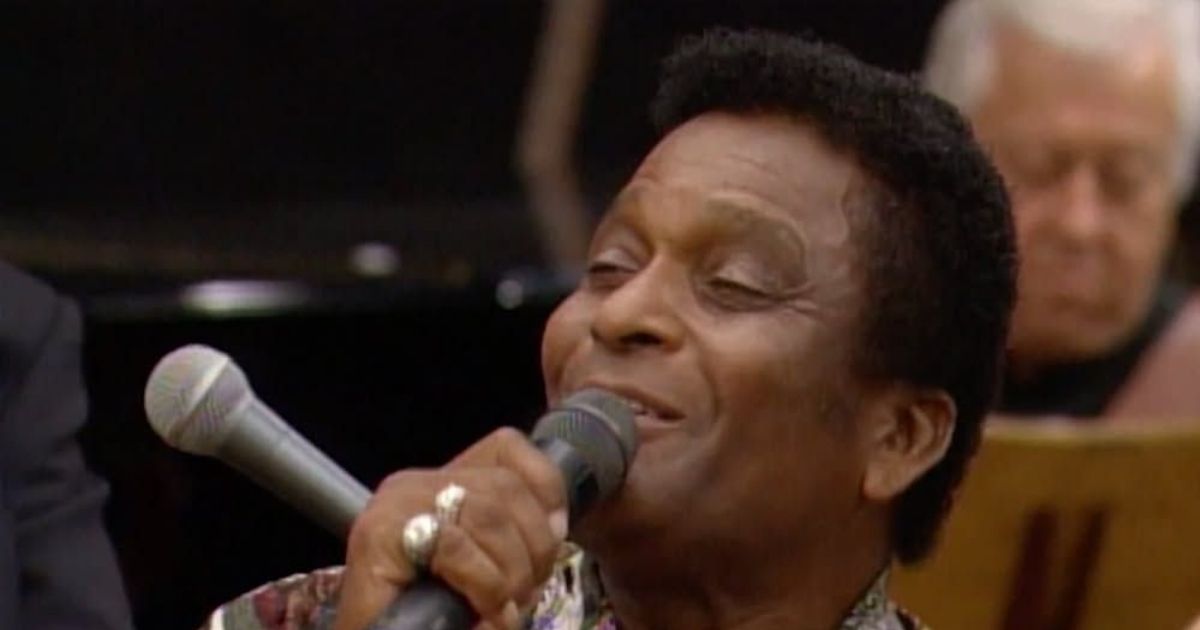
Over the decades, Kaw-Liga became a staple in country music, recorded by many artists. However, Charley Pride, one of the most iconic voices in traditional country and the first Black superstar in the genre, brought new life and wide recognition to the song when he released his version in 1969. Pride’s rendition was included on his album The Sensational Charley Pride, and it reached the top of the Billboard Hot Country Songs chart in early 1970, solidifying its place as one of his signature hits.
Themes and Storytelling
Although playful on the surface, Kaw-Liga carries themes that are surprisingly relatable:
Unspoken Love: Kaw-Liga, the wooden Indian, longs for the Indian maid but is unable to speak his love, symbolizing the pain of suppressed emotions.
Loneliness and Isolation: Despite being surrounded by others, Kaw-Liga remains alone, reflecting the universal human experience of longing without fulfillment.
Pride and Fear: His silence may also represent pride or fear of rejection, which prevents him from reaching out, ultimately leaving him unfulfilled.
Tragedy Beneath Humor: Though the song’s premise is lighthearted, its deeper message touches on the consequences of missed chances in love and life.
The anthropomorphic storytelling, giving human emotions to a wooden statue, creates both a humorous and melancholic narrative that appeals to listeners on multiple levels.
Charley Pride’s Interpretation
Charley Pride’s version of Kaw-Liga differs significantly from Hank Williams’s original recording. While Williams’s rendition carried his signature honky-tonk style and nasal twang, Pride’s interpretation brought a smoother, more polished vocal delivery that appealed to a wider audience.
Vocals: Pride’s rich, resonant baritone gave the song warmth and depth. His phrasing captured both the humor and underlying sadness of Kaw-Liga’s plight, making the character more sympathetic and relatable.
Arrangement: Pride’s recording leaned more toward the Nashville sound of the late 1960s, with fuller instrumentation, including fiddle, steel guitar, and polished backing arrangements. This contrasted with the rawer honky-tonk feel of the original.
Tone: Pride balanced the novelty aspect with emotional sincerity, ensuring that the song didn’t come across as just a comedic piece. Instead, it felt like both a lighthearted story and a subtle life lesson.
By doing so, Pride transformed Kaw-Liga from a quirky Hank Williams novelty song into a mainstream country hit.
Musical Arrangement
The instrumentation in Pride’s version reflects the evolution of country music during the late 1960s:
Fiddle and Steel Guitar: Classic elements that retained its honky-tonk roots.
Rhythmic Drive: A steady, danceable beat gave it energy, ensuring its popularity in honky-tonks and jukeboxes.
Orchestration: Compared to Williams’s stripped-down version, Pride’s rendition had a fuller, radio-friendly Nashville Sound production.
The combination of traditional and modern elements made the song resonate with both older country fans and newer audiences discovering the genre.
Reception and Chart Success
Charley Pride’s Kaw-Liga became a major success. Released as a single in late 1969, it climbed to #1 on the Billboard Hot Country Songs chart in 1970, marking another milestone in Pride’s career. The song also contributed to Pride’s run as one of the most consistent hitmakers of the era, proving his ability to reinterpret classics while making them uniquely his own.
The success of Kaw-Liga further cemented Pride’s reputation as one of country music’s great interpreters, capable of honoring tradition while infusing songs with his own style.
Cultural and Emotional Impact
On the surface, Kaw-Liga is a lighthearted tale, yet its popularity suggests that audiences connected with its deeper themes. The wooden Indian’s inability to confess love mirrors the human tendency to let fear or pride keep us silent in matters of the heart. This universal relatability, wrapped in humor and catchy melody, made the song timeless.
Charley Pride’s version carried added cultural significance. As the first African American country star to achieve mainstream stardom, his success with a Hank Williams classic highlighted his role in bridging divides within country music. By taking a beloved song from the most iconic country songwriter and turning it into a hit, Pride demonstrated both his artistry and his rightful place in the genre’s lineage.
Legacy
Today, Kaw-Liga is remembered as one of Charley Pride’s defining songs. While Hank Williams created the original classic, Pride’s version ensured its endurance in popular memory. For many listeners, his recording is the definitive version, balancing humor, heartache, and musical sophistication.
The song continues to be a highlight in retrospectives of both Hank Williams’s and Charley Pride’s careers. For Pride, it showcased his ability not only to deliver original hits but also to reinterpret classics with fresh emotional resonance.
Conclusion
Charley Pride’s Kaw-Liga is more than just a cover of a Hank Williams classic—it is a masterclass in interpretation. Through his warm baritone voice, polished Nashville-style arrangement, and emotional sincerity, Pride transformed the tale of a wooden Indian into a chart-topping hit that resonated with audiences across generations.
The song combines humor, tragedy, and universality, reflecting the essence of country storytelling. Its success in 1970 further solidified Pride’s place among the genre’s greatest artists and highlighted his unique ability to bring timeless songs to new life.
More than fifty years later, Kaw-Liga remains a shining example of Charley Pride’s artistry and his lasting contribution to the tradition of classic country music.