
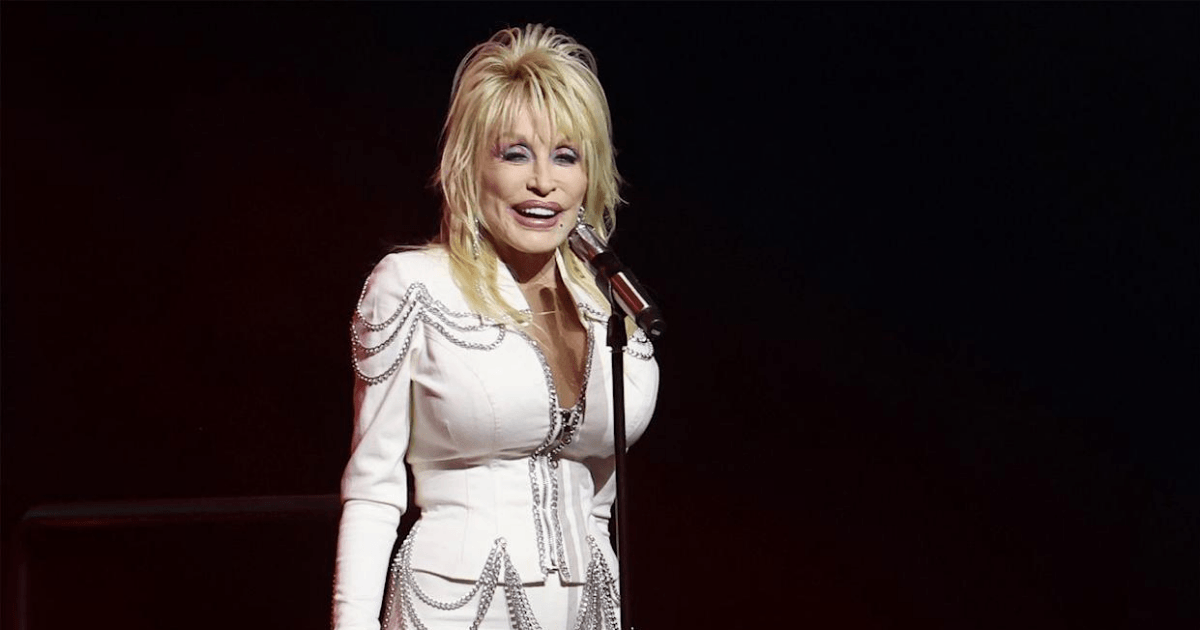
About the song
“Why’d You Come in Here Lookin’ Like That” by Dolly Parton is a bold, playful, and emotionally charged country song released in 1989. It appeared on her album White Limozeen and is firmly rooted in the country genre, with noticeable influences of country pop and honky-tonk. The song marked a significant moment in Dolly Parton’s late-1980s career, signaling a confident return to mainstream country radio with a modernized sound that still respected traditional storytelling.
At its heart, the song explores an all-too-familiar emotional scenario: encountering a former lover unexpectedly and being overwhelmed by unresolved feelings. Rather than approaching this moment with sorrow or regret, Dolly Parton infuses it with humor, flirtation, and self-aware vulnerability. The title itself sets the tone—direct, conversational, and slightly teasing—capturing the shock and emotional disruption caused by seeing someone from the past looking irresistibly good.
Lyrically, the song is written from the perspective of a woman who is clearly trying to maintain emotional composure but finds herself undone by the sudden reappearance of an old flame. The narrator questions the intention behind the encounter, not out of anger, but out of emotional self-preservation. The lyrics balance longing and restraint, revealing a character who knows better than to reopen old wounds but struggles to ignore the spark that still exists. This emotional tension is what gives the song its relatable power.
Musically, “Why’d You Come in Here Lookin’ Like That” is upbeat, energetic, and rhythm-driven. The arrangement leans into traditional country instrumentation, including prominent drums, bass, and twangy guitar lines, while also incorporating a polished, radio-friendly production style typical of late-1980s country. The tempo keeps the song light and engaging, contrasting with the emotional complexity of the lyrics. This contrast enhances the song’s appeal, making it suitable for both casual listening and deeper emotional interpretation.
Dolly Parton’s vocal performance is a standout element. Her delivery is confident, expressive, and full of personality. She uses subtle inflections and playful phrasing to convey emotional conflict without sounding melodramatic. Her voice communicates experience and self-awareness, suggesting a woman who understands her own emotions and isn’t afraid to acknowledge them openly. This authenticity has always been one of Parton’s greatest strengths, and it is fully on display in this song.
The song also reflects a broader theme present in White Limozeen: emotional maturity. Unlike songs about first love or heartbreak, this track deals with love that has history. The narrator is not naïve; she knows the consequences of emotional vulnerability. Yet, the song acknowledges that time does not always erase attraction. This mature perspective resonates strongly with adult listeners who recognize that some feelings linger no matter how much life moves on.
In terms of style and image, the song reinforced Dolly Parton’s ability to evolve with changing musical trends while remaining true to her identity. During the late 1980s, country music was embracing a more contemporary sound, and this track fit seamlessly into that landscape. At the same time, the storytelling, humor, and emotional clarity remained unmistakably Dolly. This balance helped reestablish her presence on country charts and introduced her to a new generation of listeners.
Culturally, “Why’d You Come in Here Lookin’ Like That” became one of Dolly Parton’s signature late-career hits. Its success demonstrated her enduring relevance and adaptability in an industry that often favors youth. The song’s relatable theme, catchy hook, and confident delivery made it memorable and widely embraced. It also highlighted her ability to write from a female perspective that is honest, strong, and emotionally nuanced.
Ultimately, “Why’d You Come in Here Lookin’ Like That,” released in 1989 and grounded in country and country pop, is a celebration of emotional honesty wrapped in playful confidence. It captures the moment when the past unexpectedly walks back into the present, stirring feelings thought to be long settled. Through sharp lyrics, energetic music, and a charismatic vocal performance, Dolly Parton transforms a moment of emotional vulnerability into a song full of charm, wit, and lasting appeal.