
About the song
“Bloody Mary Morning” is one of the most evocative and subtly complex songs in Willie Nelson’s catalog, released in 1974 on his album Phases and Stages. The song belongs to the country music genre, with strong influences from outlaw country and progressive country, reflecting Nelson’s distinctive approach to storytelling and sound during one of the most creative periods of his career. While it may appear light and breezy on the surface, “Bloody Mary Morning” is rich with emotional undertones, symbolism, and quiet introspection.
At its core, “Bloody Mary Morning” captures a moment of transition. The song follows a narrator who is physically on the move—traveling, leaving, or escaping—while emotionally processing separation and uncertainty. The title itself is layered with meaning. A “Bloody Mary” can suggest indulgence, recovery from excess, or emotional numbness, while “morning” signals renewal and continuation. Together, they create a tension between weariness and forward motion, which becomes central to the song’s emotional atmosphere.
Musically, the song has a relaxed, rolling rhythm that mirrors the sensation of travel. The arrangement is smooth and unhurried, featuring gentle guitar work, understated percussion, and subtle harmonies. Rather than demanding attention, the music drifts along, creating a sense of openness and space. This musical ease contrasts with the emotional complexity beneath the lyrics, a technique Willie Nelson frequently employed to deepen his storytelling without making it heavy-handed.
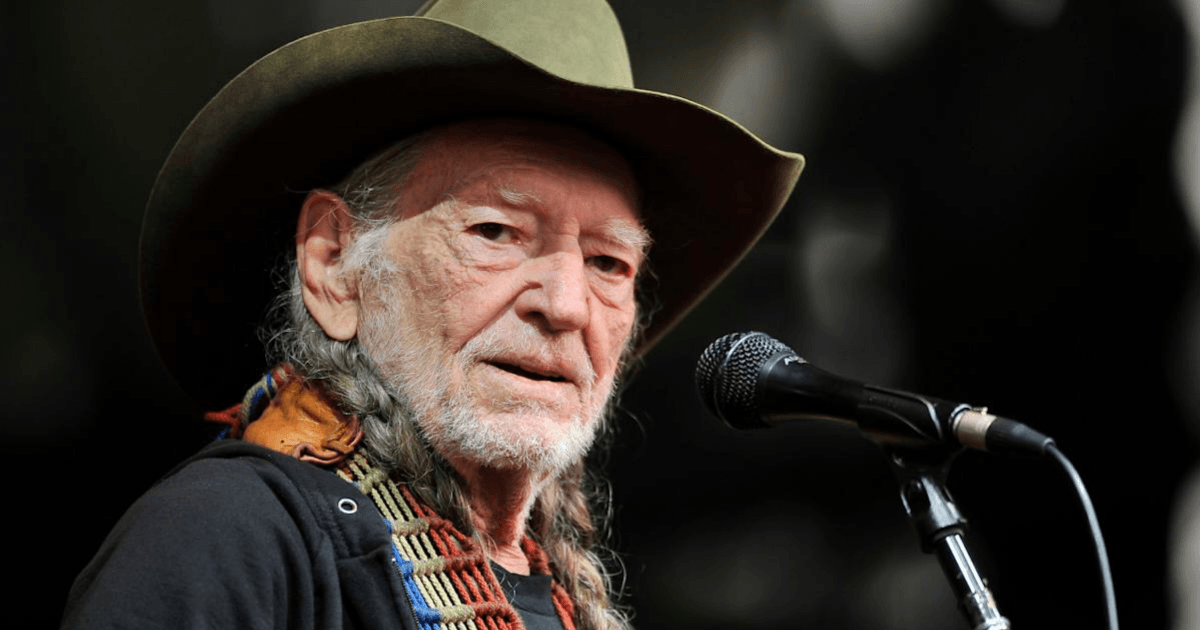
Willie Nelson’s vocal delivery is one of the song’s defining elements. His voice is conversational, slightly nasal, and emotionally restrained. He sings as though he’s thinking aloud, allowing listeners to step inside the narrator’s private reflections. There is no dramatic emphasis or overt sorrow; instead, Nelson lets the phrasing and timing convey feeling. This restraint makes the emotional impact more powerful, as the listener senses what is left unsaid.
Lyrically, “Bloody Mary Morning” explores themes of departure, loss, and emotional endurance. The narrator acknowledges leaving someone behind, but there is no confrontation or explanation. The separation feels inevitable rather than dramatic. Rather than dwelling on pain, the song focuses on the act of moving forward—boarding planes, crossing distances, and continuing life despite unresolved emotions. This approach reflects a mature understanding of heartbreak, where not every ending comes with clarity or closure.
The song also fits neatly into the conceptual framework of the album Phases and Stages, which explores relationships from multiple perspectives. Within this context, “Bloody Mary Morning” represents a phase where distance replaces intimacy and routine replaces connection. The emotional weight of the song lies not in tragedy, but in quiet resignation. It suggests that sometimes the hardest part of love is not losing it, but learning how to live after it.
Released in 1974, the song arrived during a transformative era in Willie Nelson’s career. Having moved away from the constraints of the Nashville system, Nelson embraced artistic freedom and helped define the outlaw country movement. This period was marked by experimentation, honesty, and a rejection of overly polished production. “Bloody Mary Morning” exemplifies this shift, offering a song that feels natural, unforced, and deeply personal.
Thematically, the song resonates with listeners because it reflects real emotional experiences. Many people recognize the feeling of continuing with daily life while carrying unresolved feelings. The narrator does not dramatize his pain or seek sympathy. Instead, he accepts it as part of the journey. This perspective gives the song a sense of emotional realism that has allowed it to endure over time.
Musically, the song also demonstrates Willie Nelson’s ability to blend country traditions with a more relaxed, almost jazz-like phrasing. His sense of timing—slightly behind the beat—adds to the song’s reflective mood. The melody flows effortlessly, reinforcing the idea that life keeps moving whether or not emotional wounds have healed.
“Bloody Mary Morning” has remained one of Willie Nelson’s most recognizable songs, not because of grand statements or dramatic storytelling, but because of its subtlety. It captures a specific emotional state: that quiet moment when you are between places, between people, and between versions of yourself. The song does not attempt to resolve this state—it simply observes it.
Within Willie Nelson’s broader body of work, the song represents his strength as a songwriter who understands emotional nuance. He does not rely on exaggerated imagery or overt sentiment. Instead, he trusts the listener to feel the weight beneath the surface. This approach has become one of his defining characteristics and is a major reason his music continues to resonate across generations.
Ultimately, “Bloody Mary Morning” is a song about movement—physical and emotional. Released in 1974 and rooted in outlaw and progressive country, it captures the uneasy balance between loss and survival. Through its gentle melody, restrained lyrics, and Willie Nelson’s unmistakable voice, the song reminds listeners that even on mornings shaped by regret or exhaustion, life continues forward—quietly, steadily, and without pause.