
About the song
“Angel Flying Too Close to the Ground” is one of Willie Nelson’s most tender, poetic, and emotionally devastating songs, released in 1981 on the album Somewhere Over the Rainbow. The song belongs primarily to the country music genre, with strong elements of country ballad and traditional country folk, reflecting Nelson’s gift for blending plainspoken lyricism with deep emotional resonance. Unlike many love songs that celebrate passion or loss through drama, this song achieves its power through gentleness, compassion, and quiet heartbreak.
By the early 1980s, Willie Nelson was already recognized as one of the most influential songwriters and interpreters in American music. Known for his unconventional phrasing, conversational singing style, and emotional honesty, Nelson often wrote songs that felt less like performances and more like confessions. “Angel Flying Too Close to the Ground” is a perfect example of this approach. The song does not announce its pain loudly; instead, it unfolds softly, inviting the listener into a private emotional space shaped by care, regret, and acceptance.
At its core, the song is a meditation on loving someone who is fragile. The “angel” of the title is a metaphor for a person who is beautiful, vulnerable, and damaged—someone who struggles to survive in a world that feels too heavy for them. The narrator does not present himself as a savior or hero, but as a caretaker who offered love, shelter, and patience. This perspective gives the song a rare emotional humility. Love here is not possessive or triumphant; it is protective, selfless, and ultimately resigned.
Lyrically, the song balances tenderness with sorrow. The narrator reflects on having tried to help, to heal, and to provide safety, while knowing that some wounds cannot be mended by love alone. There is no bitterness in these reflections, only understanding. The heartbreak comes not from betrayal or abandonment, but from the recognition that love sometimes is not enough to save someone from themselves. This emotional maturity sets the song apart from conventional heartbreak narratives.
Musically, “Angel Flying Too Close to the Ground” is understated and intimate. The arrangement relies on gentle acoustic guitar, subtle steel guitar, soft piano, and restrained rhythm, creating a warm and reflective atmosphere. The tempo is slow and unhurried, allowing each lyric to breathe. Nothing in the instrumentation distracts from the emotional core; instead, the music supports the song like a quiet embrace. This simplicity enhances the song’s vulnerability and emotional clarity.
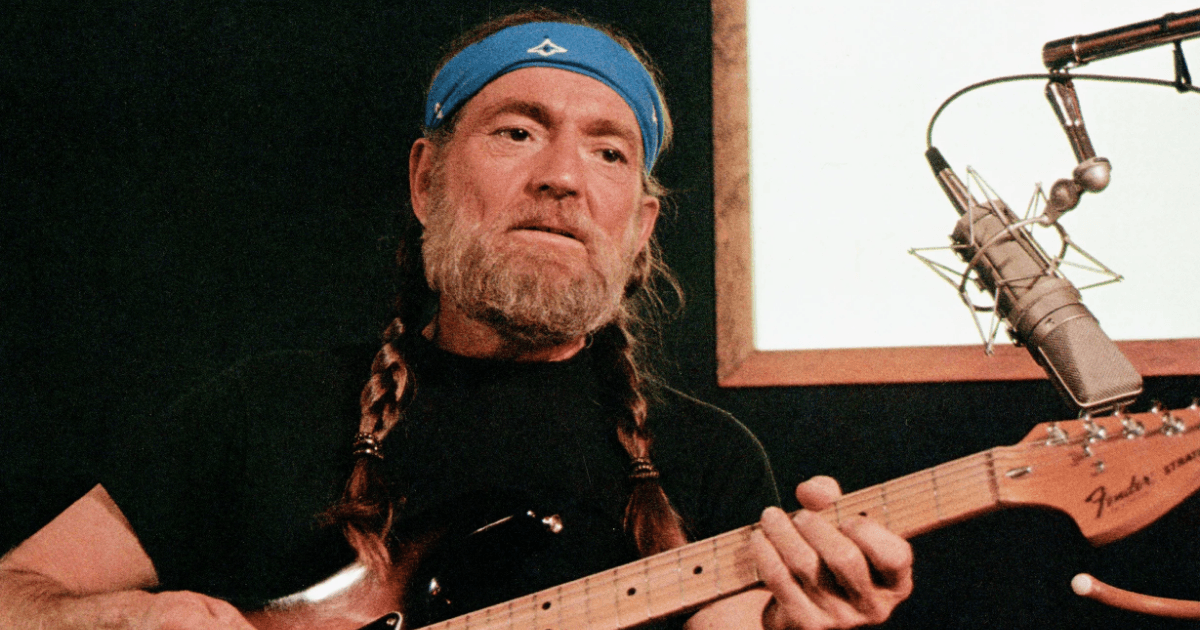
Willie Nelson’s vocal performance is central to the song’s impact. His voice, thin and weathered, carries a sense of lived experience that no technical polish could replace. He sings with slight hesitations and delicate phrasing, often lingering just behind the beat. This gives the impression that the emotions are being discovered in real time. Rather than delivering the song with dramatic emphasis, Nelson allows sadness to surface naturally, making the performance feel deeply personal and authentic.
The song’s emotional power is heightened by its sense of inevitability. From the beginning, there is an understanding that the angel cannot remain grounded forever. The imagery of flying too close to the ground suggests vulnerability—being caught between survival and collapse. When the angel finally falls, the song does not rage against fate. Instead, it mourns quietly, honoring the love that existed without denying the pain of its end. This acceptance gives the song its haunting quality.
Within the album Somewhere Over the Rainbow, “Angel Flying Too Close to the Ground” stands as one of the most emotionally profound tracks. The album explores themes of longing, memory, and emotional resilience, and this song embodies those ideas with particular grace. It reflects a moment of emotional reckoning, where love is remembered not for its success or failure, but for its sincerity.
Released in 1981, the song arrived during a period when Willie Nelson was continuing to redefine what country music could express. His willingness to embrace vulnerability, ambiguity, and emotional restraint helped broaden the genre’s emotional vocabulary. “Angel Flying Too Close to the Ground” exemplifies this contribution, demonstrating that country music can address grief and compassion without melodrama.
Ultimately, the song endures because it speaks to a universal experience: loving someone who cannot be saved, and learning to let go without resentment. Through simple language, gentle music, and a deeply sincere vocal performance, Willie Nelson transforms personal sorrow into shared understanding. “Angel Flying Too Close to the Ground” remains one of his most moving compositions—not because it offers hope, but because it offers truth, wrapped in empathy and quiet grace.