
About the song
Origins and Background
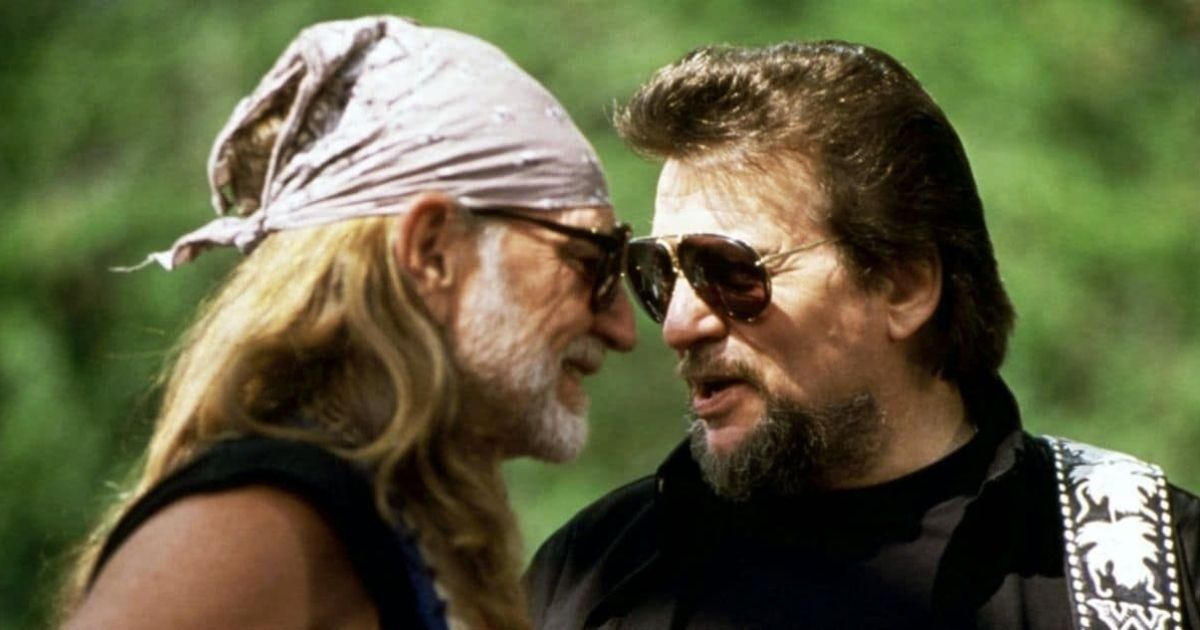
“Good Hearted Woman” is one of the most iconic songs in the history of outlaw country music, performed by two of the genre’s most legendary figures: Waylon Jennings and Willie Nelson. First released by Waylon Jennings as a solo recording in 1972, the song took on a new life in 1975 when it was re-recorded as a duet with Willie Nelson. This collaborative version was featured on their groundbreaking album Wanted! The Outlaws, which became the first country album ever to be certified platinum. The success of “Good Hearted Woman” not only cemented Jennings and Nelson as leaders of the outlaw country movement but also reshaped the direction of country music in the 1970s.
The story behind the song is as fascinating as its success. Jennings was inspired to write it after reading an advertisement for an Ike and Tina Turner concert that described Tina as “a good-hearted woman loving a two-timing man.” Intrigued by the concept, Jennings began to write the lyrics and later collaborated with Willie Nelson to complete the song. Together, they created an anthem that celebrated the resilience, patience, and unconditional love of women who stand by their flawed men.
Musical Style and Arrangement
Musically, “Good Hearted Woman” combines the raw edge of outlaw country with traditional honky-tonk influences. The arrangement features driving guitar rhythms, steady percussion, and a blend of acoustic and electric textures that give the song both grit and warmth.
The duet version with Willie Nelson added another dimension. Jennings’ deep, rugged baritone contrasted perfectly with Nelson’s nasal, conversational delivery, creating a dynamic interplay that became instantly recognizable. Their voices, though different, harmonized in a way that reflected their friendship and mutual respect. The live performance feel of the duet version, complete with audience sounds, gave it authenticity and a sense of camaraderie that resonated with fans.
Lyrical Themes
The lyrics of “Good Hearted Woman” tell the story of a woman who loves and remains loyal to a man despite his flaws, mistakes, and reckless lifestyle. She is portrayed as patient and understanding, standing by him through thick and thin. Lines such as “She loves him in spite of his ways that she don’t understand” highlight the theme of unconditional love.
At the same time, the song acknowledges the man’s imperfections. He is described as someone who “likes the bright lights, the nightlife, and good-time friends,” yet his partner remains steadfast in her devotion. The contrast between the man’s wild tendencies and the woman’s enduring loyalty creates both humor and tenderness.
While some listeners interpret the lyrics as a commentary on traditional gender roles, others see it as a celebration of women’s strength and resilience. The song captures the universal theme of love that endures despite challenges, making it relatable across generations.
Reception and Legacy
When “Good Hearted Woman” was released as a duet in 1975, it became an immediate success. The song reached number one on the Billboard Hot Country Singles chart and crossed over to the Billboard Hot 100, peaking in the top 40—a significant achievement for a country song at the time. It went on to win the Country Music Association (CMA) Award for Single of the Year in 1976.
The success of the track was crucial in the rise of the outlaw country movement. Wanted! The Outlaws—featuring “Good Hearted Woman”—was the first country album to sell over one million copies, breaking barriers and proving that audiences were hungry for music that defied Nashville’s polished production style. Jennings and Nelson became the faces of this movement, representing artistic freedom, authenticity, and rebellion against the constraints of the country music establishment.
Cultural and Personal Significance
“Good Hearted Woman” is more than just a hit song; it is a cultural statement. It reflects the spirit of the 1970s outlaw movement, which valued honesty, rawness, and individuality over polished perfection. For Jennings and Nelson, the song was also a celebration of their friendship and shared musical philosophy.
Over the years, the song has become a staple in both artists’ repertoires and a fan favorite at live performances. Its blend of humor, tenderness, and grit continues to resonate, reminding listeners of the complexities of love and loyalty. It has been covered by numerous artists, but none have matched the authenticity of the Jennings-Nelson duet.
Conclusion
Waylon Jennings and Willie Nelson’s “Good Hearted Woman” stands as one of the defining songs of outlaw country and a landmark in both artists’ careers. With its memorable melody, heartfelt lyrics, and unforgettable vocal interplay, the track captures the essence of a movement that forever changed country music.
It celebrates love that endures through imperfections, highlights the strength of devoted women, and showcases the chemistry between two of country music’s greatest icons. More than four decades after its release, “Good Hearted Woman” remains a beloved classic—proof of the timeless power of simple storytelling, authentic performance, and genuine emotion in music.