
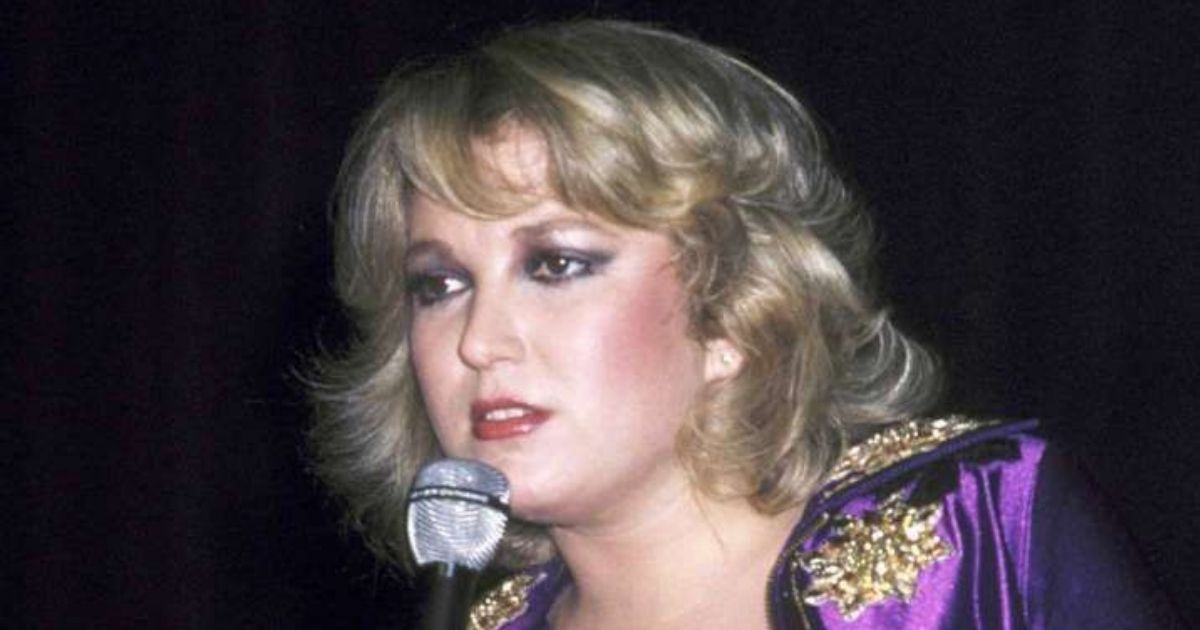
About the song
Tanya Tucker’s “Delta Dawn” is one of the most iconic songs in country music history and the track that launched Tucker into stardom at an astonishingly young age. Released in 1972 when she was only 13 years old, the song became her debut single and an instant hit, reaching No. 6 on the Billboard Hot Country Singles chart. Beyond its chart performance, “Delta Dawn” introduced the world to Tucker’s husky, mature voice and her remarkable ability to deliver emotionally complex material far beyond her years. To this day, it remains one of her signature songs and a timeless classic within both country and popular music.
Origins of the Song
“Delta Dawn” was written by Alex Harvey and Larry Collins. Alex Harvey, a singer-songwriter from Texas, reportedly drew inspiration from his mother’s life and struggles. The song’s haunting imagery and story-like quality reflect a Southern Gothic style that was unique in the country genre at the time.
Although Tanya Tucker’s version is perhaps the most famous in the country music world, the song had already been recorded before her. Bette Midler performed it on The Tonight Show Starring Johnny Carson in 1972, and Helen Reddy later took her pop version to No. 1 on the Billboard Hot 100 in 1973. However, it was Tucker’s interpretation that became definitive in country circles, cementing her as a major new voice in Nashville.
Themes and Storytelling
At its heart, “Delta Dawn” is a tragic ballad. It tells the story of a faded Southern belle named Delta Dawn, who was once young and beautiful but has since grown old, walking the streets of her hometown with a suitcase in her hand. She waits for a mysterious “dark-haired man” who promised to take her away to be his bride.
The lyrics hint at lost love, betrayal, and delusion. Some interpretations suggest that Delta Dawn may be suffering from mental illness, clinging to a fantasy of love that will never come. Others see her as a symbol of faded dreams and the cruel passage of time.
The song’s refrain, “Delta Dawn, what’s that flower you have on? Could it be a faded rose from days gone by?”, captures both the sadness and beauty of her story. It blends sympathy with a haunting sense of inevitability, making Delta Dawn one of country music’s most memorable tragic figures.
Tanya Tucker’s Performance
What truly sets Tanya Tucker’s “Delta Dawn” apart is her remarkable vocal delivery. At just 13, her voice carried a depth, grit, and maturity that shocked listeners. Instead of sounding like a young girl imitating adult themes, Tucker delivered the lyrics with authenticity and conviction. Her smoky tone added a layer of melancholy and gravitas to the story, making the character of Delta Dawn feel painfully real.
Critics and audiences alike were astonished by how convincingly Tucker embodied such an adult story. This ability to interpret mature, emotionally weighty material became her hallmark throughout her career. “Delta Dawn” was not just a debut single—it was a bold statement that Tanya Tucker was destined to become one of country music’s greats.
Musical Arrangement
Musically, the song blends traditional country instrumentation with a touch of Southern gospel flavor. Acoustic guitars, gentle percussion, and background harmonies create a mournful yet soulful atmosphere. The song builds gradually, drawing listeners deeper into Delta Dawn’s tragic tale with each verse.
The arrangement supports Tucker’s voice without overshadowing it. Producer Billy Sherrill, a master of the “countrypolitan” sound, struck the perfect balance between accessibility and authenticity, making the song radio-friendly while keeping its emotional weight intact.
Impact on Tanya Tucker’s Career
“Delta Dawn” was a game-changer for Tanya Tucker. At just 13, she became one of the youngest artists ever to score a major hit on the country charts. The song not only introduced her to Nashville but also set the tone for the rest of her career: Tucker would be known as a bold, unconventional artist unafraid to tackle mature themes.
The success of the single led to the release of her debut album, also titled Delta Dawn, which solidified her place as one of country’s rising stars. Over the next several years, she continued to produce hits and quickly transitioned from child prodigy to respected adult artist, a feat that few others in the industry managed so seamlessly.
Cultural Reception and Legacy
When it was first released, “Delta Dawn” captivated audiences with its mix of haunting narrative and youthful interpretation. The song became a staple on country radio and remains one of Tucker’s most requested songs in concert. Its success also helped broaden her appeal beyond the traditional country audience, especially as Helen Reddy’s pop version gained international recognition.
Today, “Delta Dawn” is considered one of the most enduring classics of 1970s country music. It has been covered by numerous artists across genres, but Tanya Tucker’s recording remains definitive. For many fans, it represents both the beginning of her remarkable career and a high point of country storytelling.
Conclusion
Tanya Tucker’s “Delta Dawn” is far more than a debut single—it is a landmark recording that showcased the arrival of a once-in-a-generation talent. With its haunting story of faded beauty and lost dreams, the song struck a chord with listeners and continues to resonate decades later. Tucker’s extraordinary performance, combined with the poignant lyrics of Alex Harvey and Larry Collins, created a timeless piece of music that stands as a cornerstone of her career and of 1970s country music.
By capturing both the tragedy and beauty of Delta Dawn’s story, Tanya Tucker proved that even at 13, she had the voice, artistry, and emotional depth to become one of the most influential figures in country music history.