
About the song
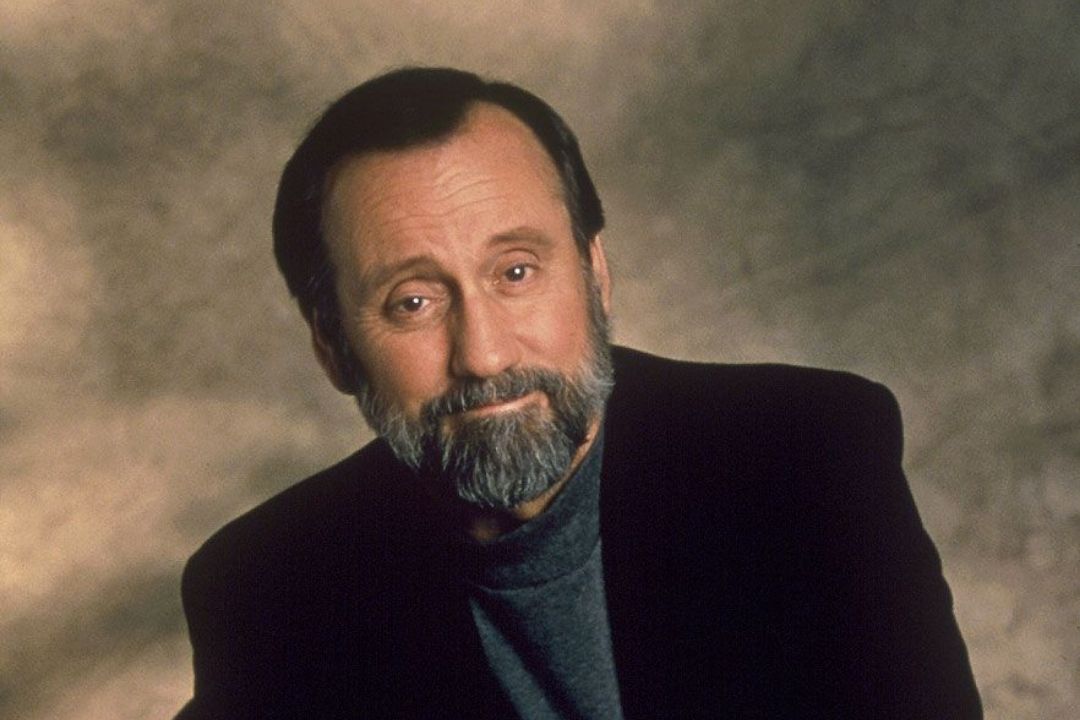
“Indian Love Call” performed by Ray Stevens is a fascinating reinterpretation of a classic American love song that blends humor, musicality, and a unique artistic approach. Originally composed by Rudolf Friml with lyrics by Otto Harbach and Oscar Hammerstein II in 1924 for the operetta Rose-Marie, the piece has been covered by numerous artists over the decades. However, Ray Stevens’ version stands out for its combination of vocal skill and playful personality, offering a fresh and entertaining take on a timeless romantic melody.
At its heart, “Indian Love Call” is a song of yearning and connection. The lyrics express a deep, almost spiritual bond between two lovers calling out to each other across a vast wilderness. The recurring refrain — “When I’m calling you-oo-oo-oo-oo” — has become iconic, symbolizing the purity of love that transcends distance and barriers. When Ray Stevens decided to record the song, he brought with him not only his strong vocal abilities but also his characteristic charm and comedic sensibility, giving the piece a distinct flavor that differs from the more operatic or dramatic renditions by earlier performers like Nelson Eddy and Jeanette MacDonald.
Ray Stevens is best known for his ability to balance musical craftsmanship with humor, and his interpretation of “Indian Love Call” demonstrates this talent perfectly. While he respects the song’s romantic roots, he also injects it with playful energy. His vocal delivery showcases impressive range and control, hitting the high, soaring notes of the refrain while maintaining a lighthearted tone that makes the song approachable to a modern audience. This balance between technical skill and entertainment value is one of the reasons Stevens’ version remains memorable.
Musically, Stevens retains much of the original melody’s sweeping, romantic quality while infusing it with his own country-pop sensibilities. The arrangement is lush yet not overly dramatic, featuring soft instrumentation that allows his vocals to shine. The use of echo and dynamic phrasing emphasizes the “call and response” nature of the song, creating the effect of two voices reaching across a distance — a key element that has always defined “Indian Love Call.”
One of the most notable aspects of Ray Stevens’ rendition is how it bridges genres. While the song originated in a classical operetta context, Stevens adapts it to fit within the framework of contemporary country and pop of his era. This versatility speaks to both the strength of the original composition and Stevens’ skill as an arranger and performer. His version makes the song accessible to listeners who may not typically engage with operetta or traditional pop standards, introducing a classic piece of American music to a new audience.
Lyrically, “Indian Love Call” captures the essence of romance in its purest form. The simple, heartfelt words evoke the longing of two souls calling to each other, with nature itself acting as a backdrop to their love. Ray Stevens respects this lyrical simplicity, delivering the lines with sincerity while still maintaining his trademark lightness. This duality — honoring the romantic theme while adding a touch of playful warmth — is what makes his version unique among the many recordings of the song.
In the context of Ray Stevens’ career, “Indian Love Call” showcases a different side of his artistry. While he is often celebrated for comedic hits like “The Streak” and “Ahab the Arab,” this performance highlights his vocal range and musical sensitivity. It reminds audiences that beneath the humor lies a genuinely talented musician capable of handling complex and emotive material.
“Indian Love Call” also holds cultural significance as part of the American songbook. Its enduring popularity across decades and genres speaks to the universality of its theme: love as a force that transcends boundaries. Stevens’ version contributes to this legacy by preserving the song’s romantic heart while making it relevant and enjoyable for listeners of his time and beyond.
In conclusion, Ray Stevens’ “Indian Love Call” is more than just a cover; it is a reinterpretation that blends tradition with personality. Through his strong vocal performance, clever musical arrangement, and signature blend of sincerity and humor, Stevens breathes new life into a classic song. His rendition pays homage to the original while making it uniquely his own, ensuring that this timeless love call continues to echo through generations. It stands as a testament to both the enduring power of the song itself and the versatility of Ray Stevens as an artist.