
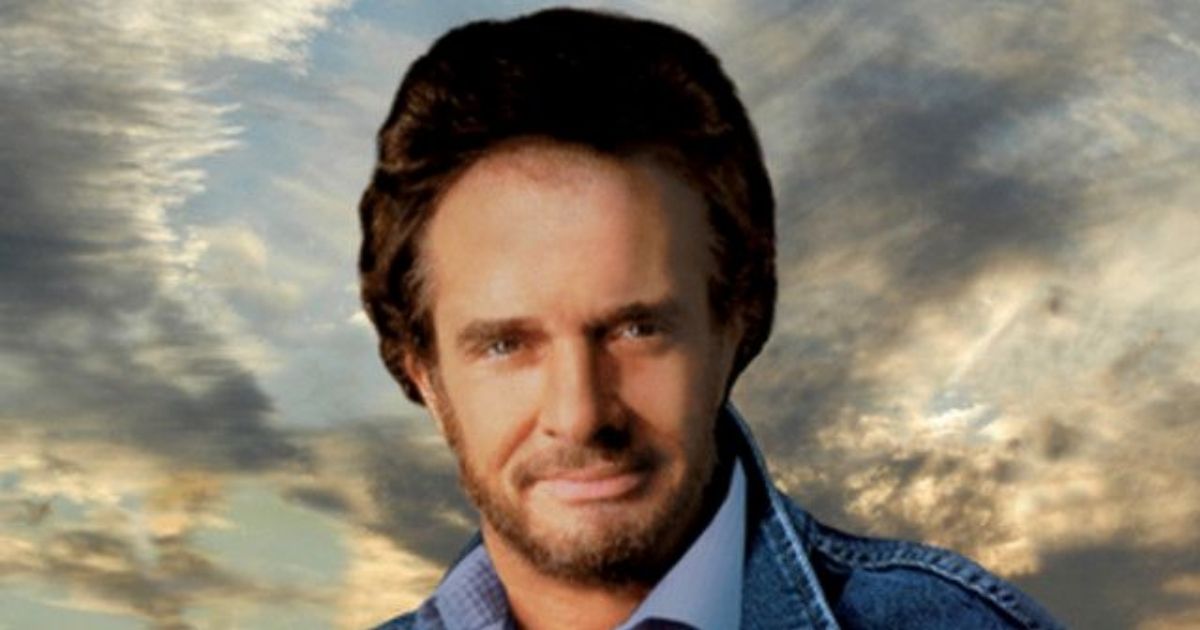
About the song
Merle Haggard, one of the most influential figures in country music history, built his career on honesty, authenticity, and the ability to translate the American working-class experience into song. Known as the “Poet of the Common Man,” Haggard wrote and performed music that resonated with listeners who felt overlooked by mainstream culture. Among his most famous and politically charged songs is “The Fightin’ Side of Me.” First released in 1970, the track quickly became a rallying cry for patriotic Americans at the height of cultural and political tensions in the United States. While the studio version was impactful on its own, the live performances of the song carried an energy and immediacy that transformed it into a statement of identity, pride, and defiance.
Historical Context
To understand the significance of “The Fightin’ Side of Me (Live),” it is important to place it in the context of its time. The late 1960s and early 1970s were a period of immense upheaval in the United States. The Vietnam War divided the nation, anti-war protests were widespread, and questions of patriotism and national identity dominated public discourse. Many artists used their music to protest government policies or critique social issues. Merle Haggard, however, took a different stance.
Building on the themes of his earlier hit “Okie from Muskogee” (1969), which celebrated traditional values and criticized counterculture movements, “The Fightin’ Side of Me” took an even more direct approach. In the song, Haggard calls out those who disparage America or fail to support the country, essentially telling them that such behavior crosses into “the fightin’ side” of patriotic citizens like himself.
Lyrics and Message
The lyrics of “The Fightin’ Side of Me” are unambiguous and confrontational. Haggard warns that criticism of America during a time of war is deeply offensive to those who are proud of their country and the sacrifices of its soldiers. The chorus makes the song’s message clear: anyone who runs down the United States, especially while enjoying its freedoms, should be aware that such actions provoke anger and pushback.
This unapologetic patriotism resonated strongly with audiences who felt alienated by the cultural revolution of the 1960s. For many working-class Americans, the song voiced frustrations that had rarely been articulated so directly in popular music. At the same time, the song drew criticism from those who felt it silenced dissent or painted legitimate protest as un-American.
The Power of the Live Version
While the studio recording was a commercial success, the live performances of “The Fightin’ Side of Me” brought an entirely new dimension to the song. On stage, Haggard’s delivery carried a raw conviction that electrified audiences. The roar of the crowd, the energy of the band, and Haggard’s commanding stage presence all combined to create an atmosphere that was both celebratory and defiant.
In live settings, the song often took on the quality of a communal anthem. When Haggard sang its lines, he was not just performing; he was leading the crowd in a declaration of identity and loyalty. These moments underscored how music could unify people, turning shared beliefs into collective experience. For those in the audience, singing along was a way of affirming both their patriotism and their cultural values.
Musical Arrangement
Musically, “The Fightin’ Side of Me” reflects the Bakersfield sound that Haggard helped pioneer. Unlike the smoother, polished Nashville country of the era, Bakersfield music was rawer, grittier, and infused with elements of honky-tonk and rock. Electric guitars, steel guitars, and driving rhythms gave the song an edge that matched the boldness of its lyrics.
The live version often heightened these elements, with instrumental breaks and extended flourishes that allowed the band’s energy to shine. This not only kept audiences engaged but also reinforced the aggressive, no-nonsense tone of the song.
Cultural Impact and Legacy
“The Fightin’ Side of Me” was a major commercial success, reaching #1 on the Billboard Hot Country Singles chart in 1970 and becoming one of Haggard’s defining songs. It cemented his reputation as both a champion of working-class values and a polarizing figure in the national conversation about patriotism and dissent.
The live performances, in particular, helped transform the song into more than just a hit record—they made it a cultural statement. For supporters, it was a proud anthem of loyalty to America. For critics, it represented a reactionary stance that sought to silence opposition. Either way, it demonstrated the power of country music to capture and reflect the emotions of its time.
Over the years, the song has continued to spark discussion about patriotism, protest, and the role of artists in political discourse. While some listeners interpret it as narrowly nationalistic, others see it as an authentic expression of love for country during a turbulent era.
Conclusion
In conclusion, “The Fightin’ Side of Me (Live)” is one of Merle Haggard’s most important and memorable contributions to country music. It is a song that captured the voice of a segment of America during a time of deep division, offering a perspective that resonated with millions. The live versions amplified its impact, transforming it into a communal anthem of patriotism and pride.
More than fifty years after its release, the song remains a touchstone in discussions of music, politics, and American identity. It reminds us of the unique role that country music plays in articulating the values, frustrations, and passions of everyday people. For fans of Merle Haggard and classic country, “The Fightin’ Side of Me (Live)” is not just a performance—it is a historical document, a cultural statement, and a timeless anthem of conviction.