
About the song
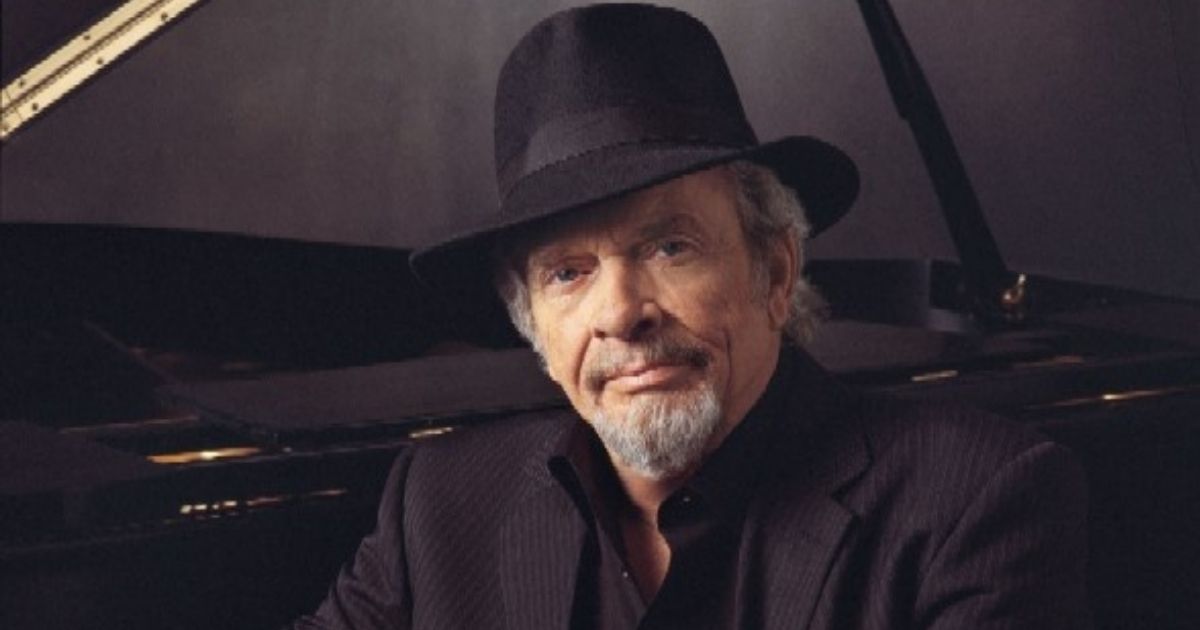
Merle Haggard’s contribution to country music is almost immeasurable. Known as the “Poet of the Common Man,” Haggard built his career by capturing the struggles, hopes, and emotions of everyday Americans. While he is most associated with original classics such as “Okie from Muskogee,” “Mama Tried,” and “The Fightin’ Side of Me,” his deep appreciation for traditional country also led him to record and reinterpret many older songs. One of the most memorable among these is his rendition of “My Blue Moon Turns to Gold Again,” a song that bridges the gap between country’s early years and the modern honky-tonk era Haggard helped define.
By choosing to include “My Blue Moon Turns to Gold Again” in his catalog, Haggard not only paid tribute to an earlier generation of country music but also infused the song with his own style, demonstrating how timeless melodies and themes of love and transformation can continue to resonate across decades.
Origins of the Song
“My Blue Moon Turns to Gold Again” was originally written by Wiley Walker and Gene Sullivan in 1940. It quickly gained popularity, becoming a standard in both country and western swing circles. Its enduring melody and evocative imagery made it appealing not only to country audiences but also to artists in other genres.
Over the years, the song has been recorded by several legends, including Eddy Arnold, Bill Monroe, and even Elvis Presley. Each version reflected the stylistic preferences of its performer, from the smooth crooning of Arnold to the bluegrass energy of Monroe. Merle Haggard’s interpretation fits into this lineage, yet stands out for its warmth, restraint, and deep emotional sincerity.
Themes and Lyrics
At its core, “My Blue Moon Turns to Gold Again” is a love song with a simple yet powerful metaphor. The “blue moon” symbolizes sadness, loneliness, and heartache. When love returns—or when a relationship is restored—that sorrowful moon transforms into “gold,” representing happiness, fulfillment, and hope.
The lyrics capture a universal emotional journey: the transition from despair to joy, from longing to reunion. This theme has ensured the song’s longevity, as audiences across generations can relate to the experience of losing love and then regaining it.
When sung by Merle Haggard, these words carry even more weight. Known for his ability to inhabit every lyric with lived experience, Haggard brings a sense of authenticity that makes the transformation described in the song feel genuine and deeply moving.
Merle Haggard’s Interpretation
Haggard approached “My Blue Moon Turns to Gold Again” with his trademark blend of honky-tonk grit and heartfelt sincerity. His version does not seek to reinvent the song with radical changes; rather, it honors the original while filtering it through his unique voice and sensibility.
Haggard’s vocal delivery is smooth yet textured, marked by the slight roughness that made his voice so distinctive. He sings with restraint, avoiding unnecessary embellishments, and instead lets the melody and lyrics shine. This choice allows the emotional heart of the song—the shift from sadness to joy—to come through clearly.
Musical Arrangement
The arrangement in Haggard’s rendition is rooted in traditional country instrumentation. Steel guitar, fiddle, and acoustic rhythm provide the foundation, while subtle electric guitar and bass give the track depth. The tempo is relaxed, reflecting the reflective nature of the song, but it carries a gentle swing that nods to the western swing origins of the piece.
This balance between honky-tonk and western swing elements showcases Haggard’s ability to navigate different strands of country music. Rather than confining the song to a single style, he allows it to embody the fluidity that has always defined the genre.
Connection to Haggard’s Broader Career
Including “My Blue Moon Turns to Gold Again” in his body of work was consistent with Merle Haggard’s lifelong practice of honoring the pioneers who came before him. Throughout his career, Haggard often recorded tribute albums and covered classics by artists such as Jimmie Rodgers, Lefty Frizzell, and Bob Wills.
In this sense, his version of “My Blue Moon Turns to Gold Again” functions as both a musical statement and a cultural preservation project. By reintroducing the song to a new generation of listeners, Haggard ensured that the golden era of country music remained accessible and relevant.
Reception and Legacy
While Haggard’s “My Blue Moon Turns to Gold Again” was not one of his chart-topping singles, it has endured as a beloved cut among fans who appreciate his tributes to classic country. The recording demonstrates his versatility and respect for tradition, further solidifying his reputation as not just a songwriter but also a steward of the genre’s heritage.
The song itself, already a standard, gained renewed vitality through Haggard’s interpretation. His version stands alongside those of earlier legends, each recording adding another layer to the song’s history. For many listeners, Haggard’s rendition is a reminder that great songs never fade—they evolve, adapt, and continue to speak to new audiences.
Conclusion
Merle Haggard’s “My Blue Moon Turns to Gold Again” is more than just a cover of an old classic—it is a heartfelt tribute that bridges eras in country music. By infusing the song with his signature authenticity, Haggard ensured that the themes of love, loss, and renewal resonated just as powerfully in the late 20th century as they did when the song was first written in 1940.
The “blue moon” turning to “gold” is a metaphor not only for regained love but also for the enduring power of music itself. Through his rendition, Haggard transformed nostalgia into something vibrant and alive, reminding us that the past continues to shine brightly when carried forward with sincerity.