
About the song
“Heaven Was a Drink of Wine” is a reflective and emotionally grounded song by Merle Haggard, released in 1972. The song belongs to the country music genre, rooted deeply in traditional country and honky-tonk influences that defined much of Haggard’s work. Like many of his songs, it combines personal introspection with broader social observation, turning simple language into something quietly profound.
At its core, “Heaven Was a Drink of Wine” is about escape—emotional, mental, and spiritual. The title itself immediately suggests a metaphor that is both blunt and revealing. Instead of describing heaven as a distant or religious ideal, the song reframes it as a temporary feeling found at the bottom of a glass. This idea captures a recurring theme in Haggard’s songwriting: the search for comfort in a world filled with disappointment, regret, and unmet expectations.
Lyrically, the song presents a narrator who once believed that happiness, relief, or peace could be found through drinking. Alcohol becomes a symbol of refuge, a way to soften reality and momentarily silence pain. However, Haggard does not romanticize this escape. There is a subtle awareness throughout the song that this “heaven” is fragile and fleeting. What feels like salvation one night can easily turn into emptiness the next morning. This tension between comfort and consequence gives the song its emotional weight.
Musically, “Heaven Was a Drink of Wine” follows a classic country structure. The tempo is relaxed and unhurried, allowing the story to unfold naturally. Traditional instrumentation—such as acoustic guitar, steel guitar, and a steady rhythm section—creates a familiar, grounded sound. The arrangement is intentionally simple, reflecting the honesty of the lyrics. Nothing feels overproduced or embellished, which aligns with Haggard’s reputation for authenticity.
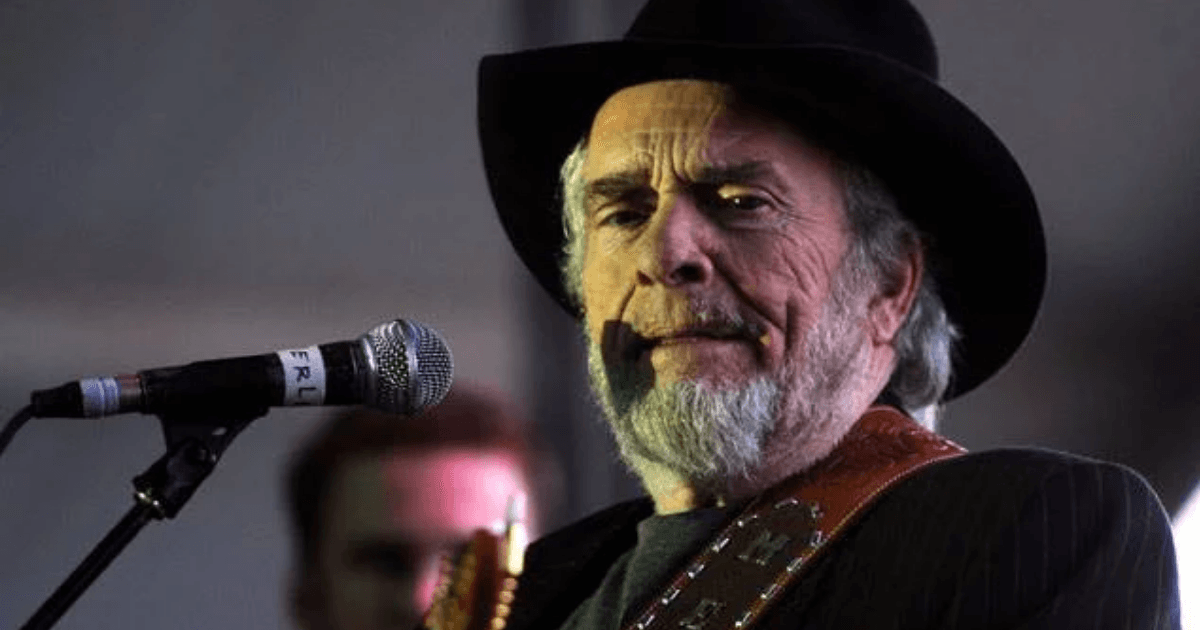
Merle Haggard’s vocal performance is central to the song’s impact. His voice carries a natural weariness, shaped by lived experience rather than performance technique. He sings with a conversational tone, as if confiding in the listener rather than performing for them. This quality makes the song feel personal and sincere. There is no dramatic flourish in his delivery—only quiet recognition of past beliefs and hard-earned understanding.
The song also reflects Haggard’s broader artistic identity. Throughout his career, he often explored themes of working-class struggle, personal failure, redemption, and self-awareness. “Heaven Was a Drink of Wine” fits squarely within this tradition. Rather than offering solutions or moral judgments, the song simply observes a truth: that many people mistake temporary relief for lasting peace. This nonjudgmental approach allows listeners to draw their own conclusions.
In the context of early 1970s country music, the song resonated with audiences who valued realism over fantasy. During this period, country music often addressed real-life struggles more directly than other popular genres. Haggard was one of the leading voices in this movement, and songs like “Heaven Was a Drink of Wine” reinforced his role as a storyteller who was unafraid to confront uncomfortable truths.
Thematically, the song can be interpreted in multiple ways. On one level, it is about alcohol and disillusionment. On another, it speaks more broadly about misplaced faith—believing that something external can provide lasting fulfillment. This layered meaning is one of the song’s strengths. It allows the listener to relate the lyrics to different forms of escape, whether emotional, material, or psychological.
“Heaven Was a Drink of Wine” also reflects a sense of maturity. The narrator speaks from a place of reflection, suggesting growth and awareness rather than denial. There is an implied distance between who the narrator was and who he has become. This perspective adds depth, transforming the song from a simple confession into a quiet reckoning with the past.
Within Merle Haggard’s extensive catalog, the song may not be among his most commercially celebrated, but it remains an important example of his songwriting philosophy. It demonstrates his ability to turn ordinary experiences into meaningful commentary, using plain language to express complex emotions.
Released in 1972 and firmly rooted in traditional country and honky-tonk, “Heaven Was a Drink of Wine” stands as a thoughtful meditation on illusion and reality. Through understated music, honest lyrics, and Merle Haggard’s unmistakable voice, the song reminds listeners that what feels like heaven in the moment may only be a pause in pain—not a place to stay.