
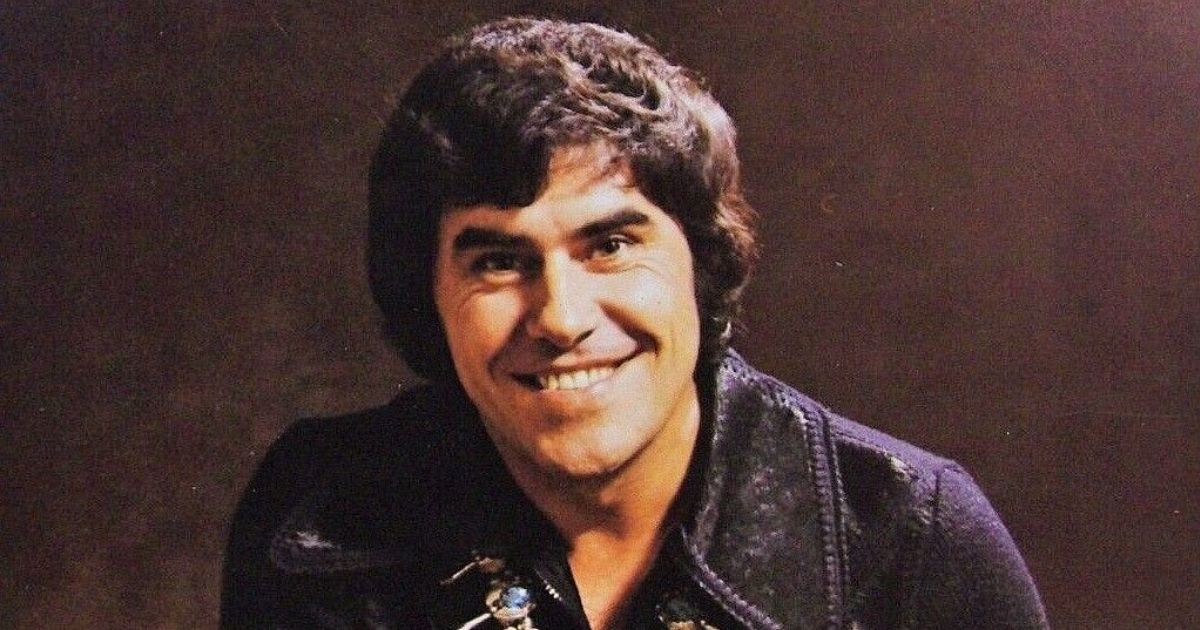
About the song
Mel Street’s “Borrowed Angel” is one of the most iconic songs of 1970s country music and the defining track of his short but powerful career. Released in 1972, the song became Street’s breakthrough hit and established him as a gifted singer whose raw emotion and heartfelt delivery could bring depth to traditional country storytelling. With its themes of forbidden love, moral conflict, and emotional longing, “Borrowed Angel” remains a quintessential honky-tonk ballad that continues to resonate with fans of classic country music.
Background and Origins
Born in 1933 in West Virginia, Mel Street was a latecomer to professional country music. Before his recording career took off, he worked as a radio repairman, electrician, and even a nightclub performer, slowly honing his craft. When “Borrowed Angel” was released as his debut single in 1972 on the independent Tandem Records label, it caught the attention of country fans and industry insiders alike.
The song’s success was remarkable. It quickly climbed the charts and introduced Street to a national audience, leading to a contract with larger labels and paving the way for a string of hits throughout the 1970s. More importantly, it established his reputation as a master of emotional delivery and traditional honky-tonk themes.
Themes and Lyrics
At its core, “Borrowed Angel” tells the story of a man who is in love with a woman who belongs to someone else. The term “borrowed angel” refers to the idea that the narrator can only have her for a fleeting moment, knowing she must eventually return to her rightful partner.
The lyrics are steeped in the classic country themes of temptation, sin, and regret. The narrator recognizes the moral conflict of the relationship, acknowledging that what they share is temporary and forbidden. Yet, his longing and love for her are so powerful that he is willing to accept the pain that comes with borrowing happiness.
Lines such as “Her love belongs to someone else, not me” capture the heartbreak and resignation of the situation. The song doesn’t glamorize infidelity; instead, it presents it as a tragic reality of human weakness and desire. This combination of honesty and sorrow gave the song an emotional weight that resonated deeply with listeners.
Mel Street’s Vocal Delivery
One of the defining qualities of “Borrowed Angel” is Mel Street’s vocal performance. His voice was rich, soulful, and filled with vulnerability, perfectly suited to the emotional gravity of the song. Street had a natural ability to convey pain and longing without over-singing, making every word feel authentic and lived-in.
Listeners often remarked that Street’s delivery gave the impression of someone who truly understood the heartache he was singing about. This authenticity helped set him apart from other artists of his era and made “Borrowed Angel” such a standout debut.
Musical Arrangement and Style
Musically, “Borrowed Angel” fits squarely within the honky-tonk tradition. Its arrangement is straightforward but effective, featuring steel guitar, fiddle, and a steady rhythm section. The instrumentation underscores the melancholy of the lyrics without overshadowing them, creating a perfect balance between storytelling and sound.
The song also exemplifies the style of country music that thrived in the early 1970s—a period when artists like George Jones, Conway Twitty, and Merle Haggard were dominating the charts with emotionally raw ballads. In many ways, Mel Street fit comfortably alongside these legends, even though his career was tragically brief.
Impact and Reception
Upon its release, “Borrowed Angel” was met with strong acclaim from country fans and radio programmers. It climbed into the Top 10 on the Billboard Hot Country Singles chart, a remarkable achievement for a debut single from an artist on an independent label.
The song’s success catapulted Mel Street into the spotlight and led to further hits such as “Lovin’ on Back Streets” and “Smokey Mountain Memories.” However, “Borrowed Angel” remained his signature song, forever linked to his name and career.
Cultural Significance and Legacy
“Borrowed Angel” has endured as a classic example of 1970s honky-tonk country. Its themes of forbidden love and moral conflict are timeless, and its emotional honesty has kept it relevant for decades. For many fans, the song represents the golden age of country storytelling, when lyrics spoke directly to life’s hardships and heartaches.
Tragically, Mel Street’s life was cut short in 1978, when he died by suicide on his 45th birthday. His struggles with depression and personal demons added another layer of poignancy to his music, and songs like “Borrowed Angel” have taken on even deeper meaning in the years since his passing.
Despite his short career, Street left behind a powerful legacy. “Borrowed Angel” continues to be celebrated by traditional country fans, covered by other artists, and included in retrospectives of classic country ballads. It remains a lasting testament to Mel Street’s talent and his ability to capture raw human emotion in song.
Conclusion
Mel Street’s “Borrowed Angel” is more than just a debut single—it is a timeless honky-tonk ballad that cemented his place in country music history. With its heartbreaking story of forbidden love, simple yet effective musical arrangement, and Street’s unforgettable vocal delivery, the song resonated with audiences in the 1970s and continues to move listeners today.
Though Mel Street’s career was tragically short, “Borrowed Angel” ensures that his artistry and emotional honesty live on. It is a song that embodies the spirit of classic country music: direct, heartfelt, and unafraid to confront the complexities of love and human weakness.
Video
https://youtu.be/y-ol-FtPdz0?list=RDy-ol-FtPdz0