
About the song
Released in 1985, “Stand Up” by Mel McDaniel is one of those songs that perfectly captures the upbeat, good-humored spirit of mid-1980s country music. Blending honky-tonk energy, playful storytelling, and McDaniel’s signature baritone charm, the song quickly became a fan favorite and a defining part of his catalog. Written by Bruce Channel and Ricky Ray Rector, “Stand Up” reflects the era’s growing trend toward lighthearted, danceable country music, balancing humor and flirtation with a catchy, radio-friendly melody.
The song reached No. 5 on the Billboard Hot Country Songs chart in 1985 and solidified McDaniel’s reputation as a performer who could combine traditional country sound with modern energy. Known for his warm stage presence and “everyman” appeal, McDaniel specialized in songs that celebrated ordinary life with a wink and a smile — and “Stand Up” is perhaps his most playful and irresistibly fun example.
Narrative and Lyrical Storytelling
At first listen, “Stand Up” might sound like a simple flirtatious song, but it’s cleverly written and full of double meanings. The lyrics tell the story of a man trying to convince a woman to dance with him — or, more symbolically, to open up to love again. The narrator playfully teases her to “stand up” and join him, both literally on the dance floor and figuratively in embracing life’s joys:
“Stand up, let me see you smile,
We’ll dance a little while,
We’re gonna make the night worthwhile.”
There’s a sense of good-natured flirtation throughout the song — the man is persistent but charming, confident but not overbearing. The tone suggests that he’s talking to someone who has maybe been sitting out too long, hesitant to take a chance. In this way, “Stand Up” becomes not just a song about dancing, but also about renewal, courage, and connection.
This kind of playful romantic storytelling was a hallmark of McDaniel’s music. Rather than writing about heartbreak or sorrow, he preferred songs that celebrated joy, love, and community — often framed through dancing, working, or small-town living. “Stand Up” fits perfectly within that tradition, serving as both a country dance anthem and a subtle celebration of optimism.
Musical Style and Arrangement
Musically, “Stand Up” exemplifies the 1980s country-rock fusion that brought traditional sounds to modern audiences. The song opens with an infectious electric guitar riff and a steady rhythm section that immediately sets a lively tone. Steel guitar and piano accents give it a honky-tonk flavor, while the tempo and production are polished enough to fit the era’s radio standards.
Mel McDaniel’s vocal performance is the heart of the song. His voice — rich, relaxed, and slightly playful — gives the lyrics authenticity and warmth. He doesn’t sound like he’s just performing; he sounds like he’s genuinely talking to someone across a dance hall. That conversational quality makes the song personal and engaging.
The chorus, with its simple repetition of “stand up,” is instantly memorable — a classic example of a hook that works both lyrically and musically. It invites audience participation, making it perfect for live performances and dance halls. Indeed, “Stand Up” became a staple in McDaniel’s concerts, where fans would literally get up and dance whenever he sang it.
Cultural Context and Country Music in the 1980s
When “Stand Up” hit the charts in 1985, country music was in a transitional phase. The “Urban Cowboy” movement of the early 1980s had blended pop polish with honky-tonk rhythms, making country more mainstream than ever before. At the same time, artists like Mel McDaniel, Earl Thomas Conley, The Oak Ridge Boys, and Alabama were redefining the sound of modern country — upbeat, melodic, and accessible, yet still grounded in rural storytelling.
McDaniel’s music embodied the working-class optimism of the period. His songs like “Louisiana Saturday Night”, “Baby’s Got Her Blue Jeans On”, and “Stand Up” all shared an appreciation for everyday pleasures — dancing, small-town fun, and good company. These were songs that didn’t preach or moralize; they simply celebrated the moment.
In “Stand Up”, the message is clear: don’t let life pass you by. It’s an invitation to participate — to dance, to flirt, to laugh, to live. In the context of the 1980s, this kind of message resonated deeply with audiences seeking escape from economic challenges and social change. The song’s humor and liveliness made it a perfect fit for the country bar culture that flourished in that decade.
Mel McDaniel’s Performance Style and Legacy
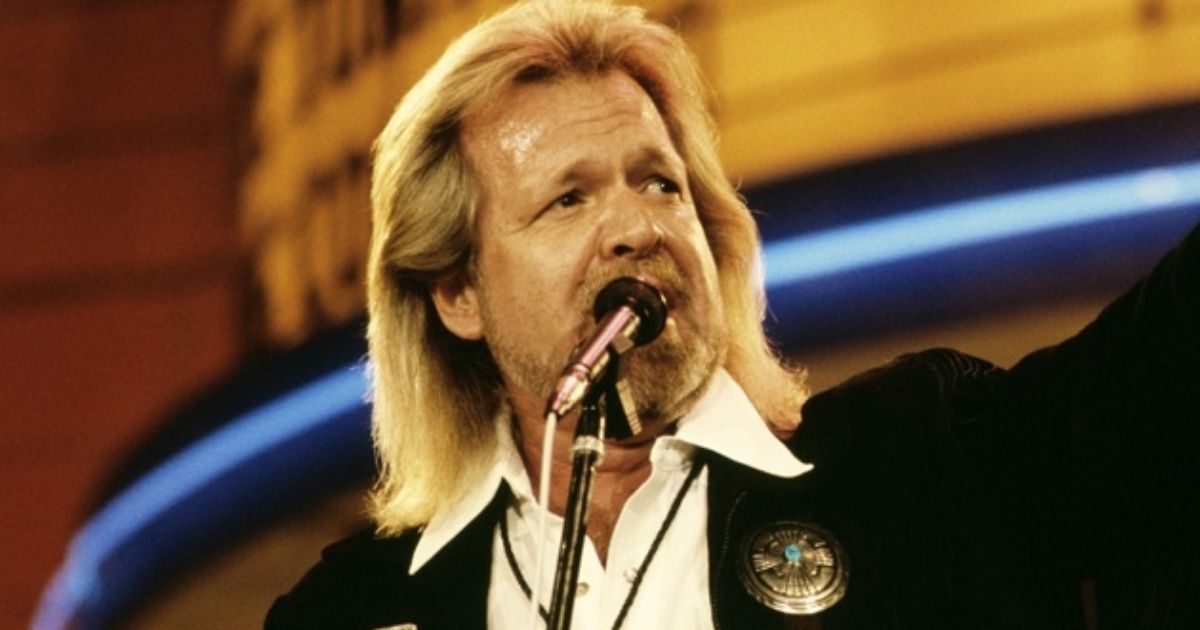
Mel McDaniel was known for his warm stage presence and easygoing charisma. He wasn’t a flashy performer; instead, he connected with audiences through genuine personality and humor. “Stand Up” exemplifies that approach — it’s both a conversation and an invitation, as if McDaniel were leaning over to a listener at a bar and saying, “Come on, let’s dance.”
His performance style also reflected his roots. Born in Oklahoma, McDaniel brought a blend of Southern hospitality and Midwestern sincerity to his music. Even in songs filled with humor or flirtation, there was never arrogance or cynicism — only good-natured fun. That authenticity helped “Stand Up” become one of his signature songs.
Though McDaniel passed away in 2011, his music continues to be celebrated by fans of classic country. “Stand Up” remains a dancehall favorite, a joyful reminder of an era when country music balanced tradition with energy, and when songs could make people both smile and move.
Conclusion
Mel McDaniel’s “Stand Up” is more than just a catchy dance tune — it’s a celebration of life’s simple joys, told with humor, heart, and classic country charm. Through its infectious rhythm, playful lyrics, and McDaniel’s charismatic delivery, the song captures the essence of what country music does best: turning ordinary moments into stories worth singing.
It invites listeners — quite literally — to get up, shake off their worries, and embrace the fun. In doing so, it stands as a timeless example of McDaniel’s artistry and of the broader country tradition of finding happiness in the everyday. Nearly four decades later, “Stand Up” still gets audiences smiling, dancing, and remembering that sometimes, the best advice is right there in the title — just stand up and enjoy the moment.