
About the song
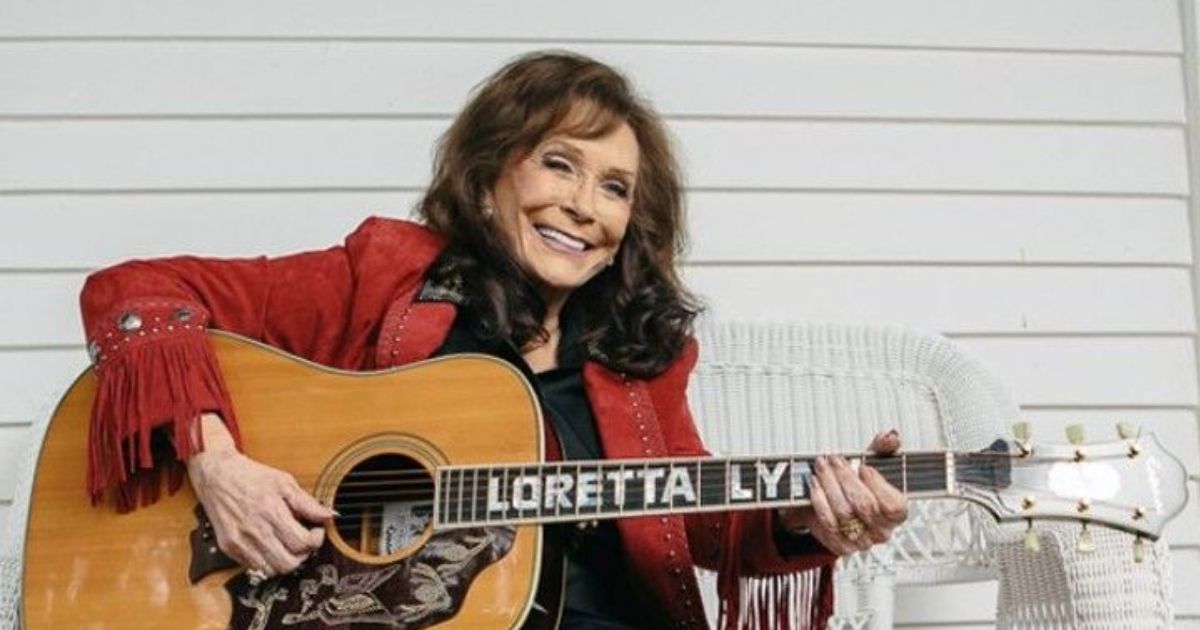
Loretta Lynn, widely celebrated as the “Queen of Country Music,” built her legacy on songs that gave voice to women’s experiences in a genre long dominated by male perspectives. Throughout her career, she tackled subjects that many others avoided—marriage, infidelity, domestic struggles, motherhood, and the realities of working-class life. Among her most groundbreaking works is “The Pill,” released in 1975, which remains one of the most controversial and culturally significant songs in country music history.
“The Pill” is not just a country song; it is a bold statement about female empowerment, reproductive rights, and social change. Written by Loretta Lynn in collaboration with Lorene Allen, Don McHan, and T.D. Bayless, the song directly addresses the newfound freedom that birth control pills gave to women in the 1960s and 1970s. At a time when country music often celebrated traditional family values and conservative social roles, Lynn dared to record a track that openly embraced female autonomy and sexual liberation.
The lyrics tell the story of a woman who has spent years raising children, living within the limitations of a patriarchal household, and being denied control over her own body. With the arrival of “the pill,” she suddenly has agency. Instead of facing the endless cycle of pregnancy and domestic drudgery, she finds liberation and a chance to redefine her life. The song is delivered with Lynn’s signature wit and plainspoken honesty, making the message clear and impossible to ignore: women have the right to choose, and birth control represents freedom.
Musically, “The Pill” is upbeat and playful, a contrast to its serious subject matter. The bright instrumentation—driven by piano, guitars, and lively rhythms—mirrors the celebratory tone of the lyrics. Rather than being somber or confrontational, the arrangement feels joyful, underscoring the sense of liberation the narrator feels. This stylistic choice was crucial: it allowed Lynn to present a socially provocative subject in a way that felt approachable, humorous, and distinctly country.
The release of the song sparked immediate controversy. Many radio stations across the United States, particularly in conservative regions, refused to play it. Critics accused Lynn of undermining traditional values, and some saw the song as too explicit for public broadcast. Yet despite (or perhaps because of) this backlash, the song became one of her most talked-about releases. While it struggled to gain airplay in certain areas, it resonated deeply with women who felt seen and heard in a way they rarely were in country music. The song ultimately reached the Billboard country Top 5, proving that its message could not be silenced.
“The Pill” also had a profound cultural impact beyond the charts. At the time of its release, conversations about birth control, women’s rights, and sexual freedom were central to the feminist movement. Lynn’s willingness to bring these issues into country music—a genre often resistant to social change—was revolutionary. She became a rare bridge between traditional rural audiences and broader cultural shifts happening across America. For many women, especially those in conservative or rural communities, “The Pill” provided validation and encouragement at a time when open discussions about reproductive health were still taboo.
Importantly, Lynn herself often downplayed the political implications of the song, framing it instead as a reflection of real women’s lives. She famously said that she wrote about what she knew, and in her world, women often had large families and little control over childbearing. By highlighting these realities, she wasn’t trying to make a radical political statement so much as to tell the truth of women’s everyday struggles. Yet in telling that truth, she ended up creating one of the most politically charged songs in the history of country music.
Critics and historians now view “The Pill” as a landmark not only in Lynn’s career but also in the evolution of country music as a platform for social commentary. Alongside songs like “Don’t Come Home A-Drinkin’ (With Lovin’ on Your Mind)” and “Rated X,” it established her as a pioneer of feminist storytelling within the genre. While she often described herself as simply singing about real life, her courage in addressing taboo subjects paved the way for future artists—especially women in country—to write with greater honesty and freedom.
In conclusion, “The Pill” is far more than just a hit song—it is a cultural milestone. With humor, honesty, and unapologetic boldness, Loretta Lynn gave a voice to women’s frustrations and hopes at a time when their experiences were often dismissed or ignored. Though it faced censorship and controversy, the song ultimately triumphed, becoming a symbol of liberation and a testament to Lynn’s fearless artistry. Decades later, it continues to resonate, reminding us of the power of music not only to entertain but also to challenge, provoke, and inspire social change. For anyone seeking to understand Loretta Lynn’s legacy—or the broader history of women in country music—“The Pill” is essential listening.