
About the song
Johnny Cash’s interpretation of “Hurt” stands as one of the most haunting and emotionally powerful recordings in modern music history. Originally written and performed by Trent Reznor of Nine Inch Nails in 1994, the song was reimagined by Cash in 2002 for his album American IV: The Man Comes Around, produced by Rick Rubin. While the original version by Nine Inch Nails was steeped in industrial rock textures and expressed themes of addiction, despair, and self-destruction, Cash’s rendition strips the song down to its barest essence. With minimal instrumentation, a fragile yet deeply expressive vocal delivery, and the weight of a lifetime behind every word, Cash transformed “Hurt” into an elegy that felt like both a personal confession and a universal reflection on mortality.
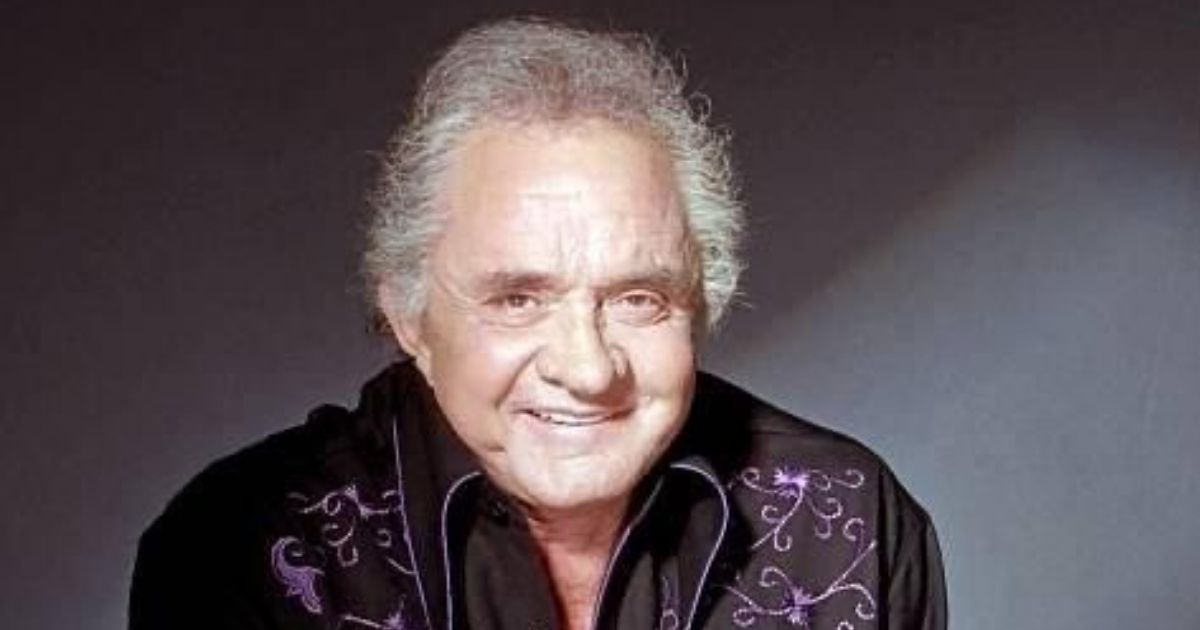
By the time Johnny Cash recorded “Hurt”, he was in his early seventies and in declining health. His voice, aged and weakened, carried a raw vulnerability that lent the lyrics an authenticity few other performers could achieve. Cash had lived a life marked by triumphs, struggles, faith, addiction, and redemption. When he sang lines such as “I hurt myself today / To see if I still feel” or “Everyone I know goes away in the end”, they did not merely sound like poetic expressions; they felt like lived experiences spoken by a man who had confronted loss, pain, and the passage of time. This authenticity gave the song a new dimension that resonated profoundly with listeners across generations.
The accompanying music video, directed by Mark Romanek, amplified the song’s emotional impact and has since been hailed as one of the most moving music videos ever created. Filmed largely in Cash’s home and at the House of Cash Museum in Hendersonville, Tennessee—which at the time was in a state of decay—the video juxtaposed images of an aging Cash with archival footage of his younger self, his wife June Carter Cash, and his long career as an American icon. The visual narrative highlighted the themes of time, legacy, and impermanence. Particularly striking is the imagery of rotting fruit, empty banquet tables, and the dilapidated museum, serving as metaphors for the inevitability of decline. Romanek himself later remarked that he had never seen an artist more willing to be so vulnerable on camera.
Perhaps what makes Cash’s “Hurt” so enduring is the way it bridges the personal and the universal. While Trent Reznor’s original reflected the alienation and torment of youth entangled in addiction, Cash’s version resonates as the voice of a man looking back on his entire life, filled with both achievements and regrets. It speaks to the universal human experience of aging, confronting mortality, and seeking meaning in the face of inevitable decline. Reznor himself, upon first hearing Cash’s cover, admitted that the song no longer felt like his—it had been transformed so completely that it belonged to Cash. This rare acknowledgment from a songwriter underscores the profound artistic power of Cash’s interpretation.
Musically, the arrangement is stripped-down and understated. Centered around acoustic guitar and piano, with sparse backing instrumentation, the track creates an atmosphere of intimacy and vulnerability. The lack of embellishment allows the listener to focus entirely on the emotional weight of Cash’s voice and the lyrics. His delivery, cracked and fragile, reflects not just the frailty of his body but also the strength of his honesty. This minimalism makes every word resonate more deeply, turning the song into an unflinching meditation on suffering, memory, and mortality.
The cultural impact of Cash’s “Hurt” has been immense. It introduced a new generation of listeners to Johnny Cash, many of whom may not have been familiar with his earlier country and rockabilly work. It also solidified his reputation as an artist unafraid to confront difficult truths. Critics hailed the recording as a masterpiece, and it earned multiple awards, including a Grammy for Best Short Form Music Video. For many, it became the defining moment of Cash’s late career, a poignant farewell that captured the essence of his artistry.
Adding to the emotional weight of the song is the context of June Carter Cash’s passing shortly after the release of “Hurt”. She appears briefly in the music video, watching over Johnny with quiet devotion. Just months after her death, Cash himself passed away, lending the recording and video an even deeper resonance. In retrospect, “Hurt” feels like a final statement from an artist who had given everything to music and was now ready to face the end.
In conclusion, Johnny Cash’s rendition of “Hurt” is more than just a cover—it is a reinvention that transformed a 1990s industrial rock anthem into a timeless meditation on life, loss, and mortality. With its stark simplicity, emotional rawness, and visual poignancy, the song remains one of the most powerful performances ever captured in music. It is a reminder of the universality of pain, the fragility of existence, and the enduring power of music to articulate truths that words alone cannot convey. More than two decades after its release, Cash’s “Hurt” continues to resonate as a profound artistic and human statement, ensuring its place in the legacy of both Johnny Cash and popular music at large.