
About the song
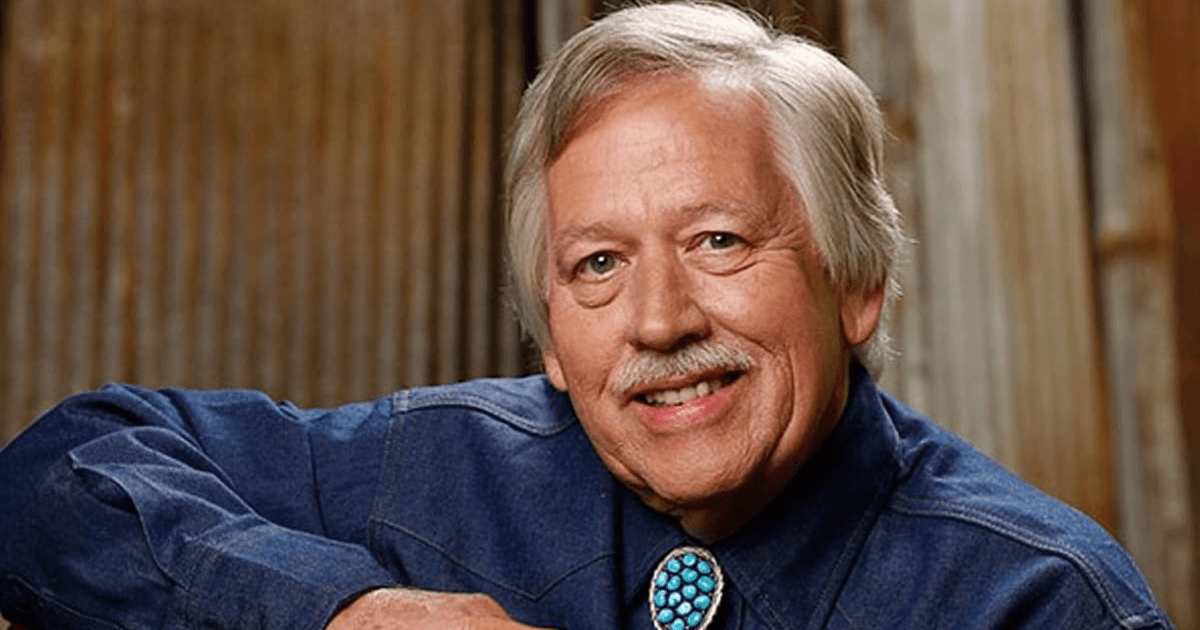
“Rose Colored Glasses (Live at Farm Aid 1985)” by John Conlee is a powerful live rendition of one of country music’s most emotionally honest songs, made even more meaningful by the context in which it was performed. Originally released in 1983, “Rose Colored Glasses” belongs to the country music genre, rooted in traditional country storytelling with a strong emphasis on realism, emotional maturity, and lyrical depth. The 1985 live performance at Farm Aid adds another layer of significance, transforming the song from a personal story of denial and heartbreak into a shared emotional experience delivered on one of country music’s most socially important stages.
At its core, “Rose Colored Glasses” tells the story of a man who realizes he has been willfully ignoring the truth about his failing marriage. Rather than confronting reality, he has chosen comfort over honesty, seeing the relationship through “rose colored glasses.” This metaphor becomes the emotional backbone of the song, representing denial, emotional compromise, and the quiet damage caused by avoiding painful truths. The song does not accuse or dramatize; instead, it reflects with clarity and restraint, which makes the realization all the more devastating.
John Conlee’s songwriting perspective is particularly striking because of its maturity. The narrator is not angry or vengeful. He accepts responsibility for his blindness, acknowledging that love sometimes survives not because it is healthy, but because one person refuses to see it clearly. This self-awareness sets “Rose Colored Glasses” apart from many breakup songs. It is less about blame and more about emotional honesty—recognizing when hope becomes self-deception.
The live performance at Farm Aid in 1985 elevates the song’s emotional impact. Farm Aid was founded to support struggling American farmers, and the event carried a deep sense of realism, hardship, and resilience. Performing “Rose Colored Glasses” in this environment gave the song additional weight. Its themes of facing uncomfortable truths resonated strongly with an audience already attuned to the realities of loss, perseverance, and survival. The setting stripped away any sense of polish, allowing the song’s emotional truth to stand completely exposed.
Vocally, John Conlee’s live delivery is calm, steady, and deeply sincere. His voice carries a natural warmth and conversational tone that makes the performance feel intimate, even on a large stage. He does not oversing or dramatize the moment. Instead, he lets the lyrics do the work. In the live setting, subtle pauses and phrasing feel more pronounced, emphasizing the emotional weight of realization as it unfolds line by line. The audience is not being entertained so much as invited to listen and reflect.
Musically, the live arrangement remains faithful to traditional country roots. The instrumentation is clean and restrained, supporting the vocal without overshadowing it. This simplicity allows the message to remain front and center. In a live context, the absence of studio polish actually strengthens the song. The performance feels honest and unfiltered, reinforcing the idea that emotional clarity often comes without decoration.
The song’s enduring power lies in its universal theme. Many people have experienced moments when they chose comfort over truth, staying in situations because facing reality felt too painful. “Rose Colored Glasses” captures that human tendency with compassion rather than judgment. It understands that denial is often an act of emotional survival, even when it ultimately leads to deeper pain. This emotional intelligence is why the song continues to resonate decades after its release.
Within John Conlee’s career, “Rose Colored Glasses” stands as his signature song and a defining artistic statement. Released in 1983, it established him as a storyteller capable of exploring complex emotional terrain with honesty and restraint. The 1985 Farm Aid performance reaffirmed that reputation, showing that the song’s message was not confined to radio success, but could hold its own in a live, purpose-driven setting.
Culturally, the song reflects a period in country music when emotional realism was highly valued. Rather than exaggeration or spectacle, artists like Conlee focused on truth, consequence, and personal accountability. The Farm Aid performance underscores this tradition, aligning the song’s message with broader themes of awareness and responsibility.
In summary, “Rose Colored Glasses (Live at Farm Aid 1985)” by John Conlee is a masterful example of country music’s ability to tell hard truths with grace. Originally released in 1983 and performed live in 1985, the song belongs firmly to traditional country music, emphasizing emotional honesty over dramatization. Through thoughtful lyrics, restrained delivery, and a powerful live setting, the performance transforms a personal moment of realization into a shared reflection on denial, love, and the courage it takes to finally see clearly.