
About the song
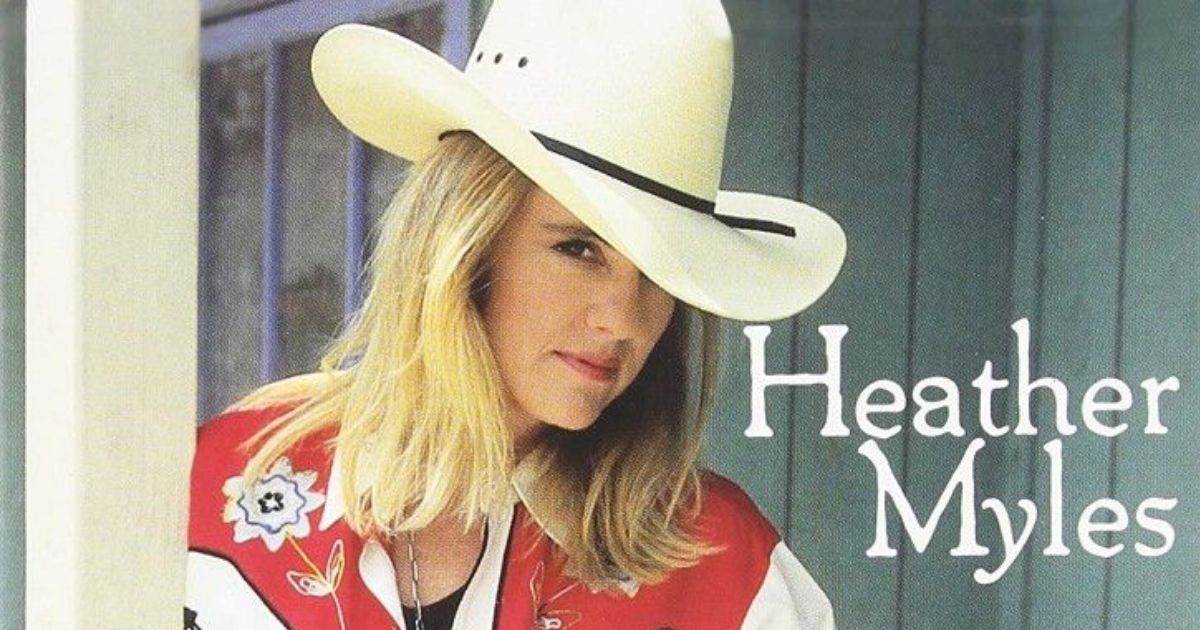
Few songs have achieved the enduring status of “Crazy Arms” in the world of traditional country music. First recorded by Ray Price in 1956, the song became one of the genre’s landmark hits, solidifying Price’s status as a country legend and setting a standard for honky-tonk ballads. Over the decades, “Crazy Arms” has been covered by countless artists, each adding their own style and interpretation. Among the notable renditions is Heather Myles’s heartfelt performance on the TruCountry television series, where she brought her own brand of Bakersfield-influenced honky-tonk energy to the classic.
Heather Myles, often referred to as the “female Dwight Yoakam” because of her Bakersfield style and unapologetic devotion to traditional country, has long been admired for her ability to stay true to the genre’s roots. Her version of “Crazy Arms” not only honors the original but also reintroduces it to a modern audience with authenticity and flair.
Background of the Song
“Crazy Arms” was written by Ralph Mooney and Chuck Seals, and when Ray Price recorded it in 1956, it quickly became a massive hit. The song spent an astonishing 20 weeks at No. 1 on the Billboard country chart, establishing it as one of the defining songs of its era. Its success helped to popularize what came to be known as the “Ray Price shuffle,” a rhythmic style that influenced countless country recordings in the years to follow.
The lyrics deal with heartbreak and unrequited love, themes that lie at the very core of classic honky-tonk country. The narrator laments how his “crazy arms” cannot hold another, as they are still yearning for someone who has left him. It is a simple yet deeply relatable song about the stubborn persistence of love even in the face of loss.
Heather Myles and Her Connection to Traditional Country
Heather Myles built her career as one of the few female artists who fully embraced the Bakersfield sound—a rawer, honky-tonk alternative to the polished Nashville productions of the late 20th century. Influenced by legends like Buck Owens and Merle Haggard, Myles infused her music with twang, grit, and emotional honesty.
Her appearance on TruCountry, a program devoted to preserving and showcasing authentic honky-tonk performances, was a perfect setting for her to tackle “Crazy Arms.” Unlike some contemporary artists who might reinterpret the song with pop-country flourishes, Myles remained faithful to the song’s roots, while giving it a distinctive edge with her powerful female perspective.
Themes and Emotional Impact
In “Crazy Arms,” the themes of heartbreak, longing, and emotional captivity are universal. The lyrics present a narrator who is trapped by his or her own feelings, unable to move on from a lost love. When sung by Heather Myles, the song takes on an added dimension: the vulnerability of a woman expressing the same timeless emotions of loss and desire.
Her delivery emphasizes both strength and pain. Rather than portraying the narrator as defeated, she imbues the song with resilience, suggesting that even though the pain is overwhelming, there is dignity in facing it honestly. This balance of vulnerability and toughness is one of the hallmarks of Myles’s artistry.
Vocal Delivery and Style
Heather Myles’s voice is distinctive—clear, twangy, and brimming with character. In her rendition of “Crazy Arms,” she combines precision with raw emotional depth. Her phrasing is deliberate, letting certain words linger just long enough to convey the weight of the narrator’s sorrow. Unlike Ray Price’s smoother, almost crooning delivery, Myles injects more grit, giving the song a slightly edgier, Bakersfield-flavored feel.
This difference highlights the flexibility of “Crazy Arms” as a song. While Price’s version was lush and smooth, Myles’s performance emphasizes honky-tonk grit, bringing the listener closer to the heartache rather than cushioning it with polish.
Musical Arrangement on TruCountry
The TruCountry performance retains the traditional honky-tonk instrumentation that defines “Crazy Arms.” Steel guitar, fiddle, and steady rhythm combine to create the shuffle beat that Ray Price popularized. This faithful arrangement reinforces the song’s historical roots while allowing Myles’s voice to shine.
What sets the TruCountry version apart is the live setting. The raw energy of a real honky-tonk band backing Myles adds immediacy and authenticity to the performance. There is no gloss, no overproduction—just pure country music delivered as it was meant to be heard.
Cultural Significance and Legacy
By performing “Crazy Arms” on TruCountry, Heather Myles was not only paying tribute to one of the greatest songs in country music history but also asserting her role as a torchbearer for traditional country. In a music industry where many female artists have often been pressured to conform to pop-country trends, Myles has consistently chosen to stay true to the genre’s roots.
Her rendition keeps the song alive for modern audiences, bridging the gap between the golden era of country in the 1950s and contemporary fans who long for authenticity. In doing so, she proves that songs like “Crazy Arms” are timeless, capable of resonating across generations when performed with honesty and respect.
Conclusion
Heather Myles’s performance of “Crazy Arms” on TruCountry is more than just another cover of a classic; it is a heartfelt continuation of a rich musical tradition. By blending her Bakersfield roots with the timeless storytelling of the song, she delivers a version that is both faithful to its origins and uniquely her own.
With its themes of heartbreak and unshakable longing, “Crazy Arms” remains one of country music’s most enduring ballads. Heather Myles’s interpretation ensures that the song continues to live on, not only as a tribute to Ray Price and the honky-tonk era, but also as a reminder that genuine emotion and storytelling will always have a place in country music.