
About the song
“Paradise City” by Guns N’ Roses
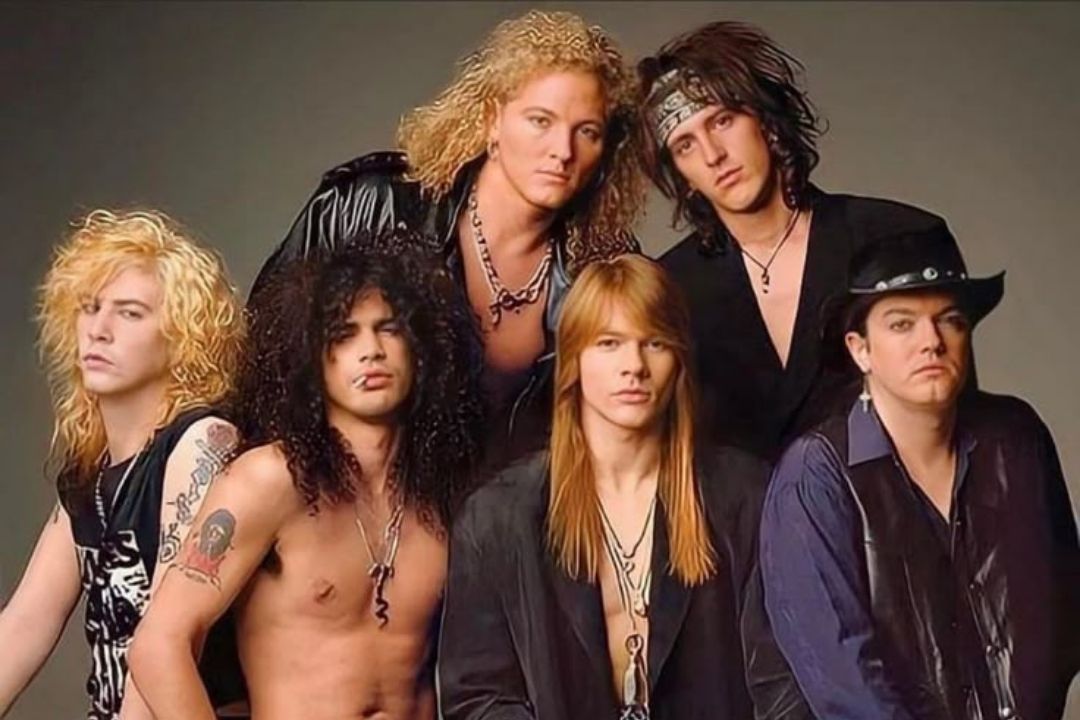
“Paradise City”, released in 1989, is one of the most celebrated and recognizable songs by the iconic American rock band Guns N’ Roses. Featured as the sixth and final single from their groundbreaking debut album “Appetite for Destruction” (1987), the song represents a perfect fusion of hard rock energy, anthemic choruses, and raw lyrical emotion. Over the decades, “Paradise City” has become a defining track of the late 1980s rock era and a staple at Guns N’ Roses concerts around the world.
Background and Writing Process
The creation of “Paradise City” is legendary among rock fans. According to band interviews, the song was written during a long bus ride while the band was touring. As the story goes, Slash, the band’s lead guitarist, started playing a simple riff with a catchy progression. The rest of the band quickly joined in.
During the jam session, the band improvised the famous chorus line:
“Take me down to the Paradise City, where the grass is green and the girls are pretty.”
In a humorous twist, Slash originally joked that the line should be:
“Where the girls are fat and they’ve got big titties.”
However, Axl Rose, the band’s charismatic frontman, pushed for the now-iconic and radio-friendly version that fans know today. The rest of the lyrics were developed collaboratively by Axl Rose, Slash, Duff McKagan, and Izzy Stradlin.
Musical Style and Composition
“Paradise City” embodies a perfect blend of hard rock, heavy metal, and even a touch of punk attitude. The song is known for its memorable opening with a slow-building intro featuring a clean, chorus-effect-laden guitar melody that eventually erupts into a full-force rock anthem.
Key musical elements include:
An iconic opening riff, characterized by soaring guitar melodies.
A chant-worthy chorus, driven by gang vocals and explosive instrumentation.
Dynamic tempo changes, with the song gradually shifting from a mid-tempo rock ballad feel into a double-time, fast-paced, almost thrash-like climax by the final section.
Slash’s signature guitar solos, packed with technical flair and emotional expression.
The song runs for approximately 6 minutes and 46 seconds on the album version, making it one of the longer tracks on “Appetite for Destruction”.
Lyrical Themes
Lyrically, “Paradise City” can be interpreted in several ways. On one level, it is a nostalgic ode to home, with Axl Rose reminiscing about his small-town roots in Indiana, longing for a place of comfort and beauty far away from the chaos of Los Angeles.
At the same time, the song reflects the dreams and disillusionments of city life, capturing the tension between youthful hope, urban struggle, and the desire for escape. Lines like:
“Captain America’s been torn apart, now he’s a court jester with a broken heart”
hint at the darker realities lurking beneath the surface of fame and fortune.
The blend of idealism, sarcasm, and frustration makes the song resonate with listeners from different walks of life.
Music Video and MTV Era Impact
The music video for “Paradise City” was shot largely during Guns N’ Roses’ live performances, including footage from England’s Monsters of Rock festival at Castle Donington and other concerts. The video captures the band’s raw on-stage energy, their rowdy interactions with fans, and glimpses of backstage life.
At the height of the MTV era, the video played a significant role in propelling the song’s popularity. Its live concert footage aesthetic reinforced the band’s image as wild, authentic rock rebels, contrasting with the polished and often glam-heavy videos from other bands of the era.
Chart Performance and Commercial Success
“Paradise City” was a commercial success, reaching #5 on the Billboard Hot 100 in the United States, making it the band’s third Top 10 single from “Appetite for Destruction”, after “Sweet Child o’ Mine” and “Welcome to the Jungle.”
Internationally, the song also charted well, receiving extensive radio play in Europe, Australia, and Canada.
Critical Reception and Legacy
Critics and fans alike have long praised “Paradise City” for its anthemic power and unfiltered rock-and-roll spirit. The song is often cited as:
One of the greatest rock anthems of the 1980s.
A concert highlight during Guns N’ Roses’ live shows.
A cultural touchstone for rock fans, appearing in numerous films, video games, and television shows.
Its influence is evident even today, with countless cover versions, karaoke renditions, and live tributes by emerging and established artists across the rock spectrum.
The song’s final speed-up outro section, where the tempo almost doubles, remains one of the most electrifying moments in rock music.
Conclusion
In summary, “Paradise City” by Guns N’ Roses is far more than just a hit single. It’s a timeless rock anthem, a reflection on fame, home, and the search for meaning, and a powerful showcase of the band’s musical chemistry.
With Axl Rose’s soaring vocals, Slash’s unforgettable guitar work, and the band’s undeniable charisma, “Paradise City” remains an essential part of rock history, still exciting fans more than three decades after its release.
Whether blasting from stadium speakers or played on a classic rock radio station, the song continues to evoke a spirit of freedom, rebellion, and raw rock ‘n’ roll power.