
About the song
“Daddy” is one of the most emotionally intimate songs recorded by Donna Fargo, revealing a deeply personal and reflective side of her artistry. The song was released in 1973 and belongs to the country music genre, with strong influences of traditional country balladry and soft country-pop, a style Fargo became widely known for during the early 1970s. Unlike many country songs of its era that focused on romantic love or heartbreak, “Daddy” turns inward, exploring family bonds, memory, and the enduring emotional connection between a daughter and her father.
At its core, “Daddy” is a song about remembrance and emotional inheritance. Rather than telling a dramatic story, it unfolds as a quiet conversation filled with gratitude, longing, and unresolved feelings. The narrator reflects on the presence of a father figure whose influence remains powerful even in absence. Whether interpreted as a song about loss, distance, or emotional separation, the central theme remains the same: parental love leaves a permanent imprint that time cannot erase.
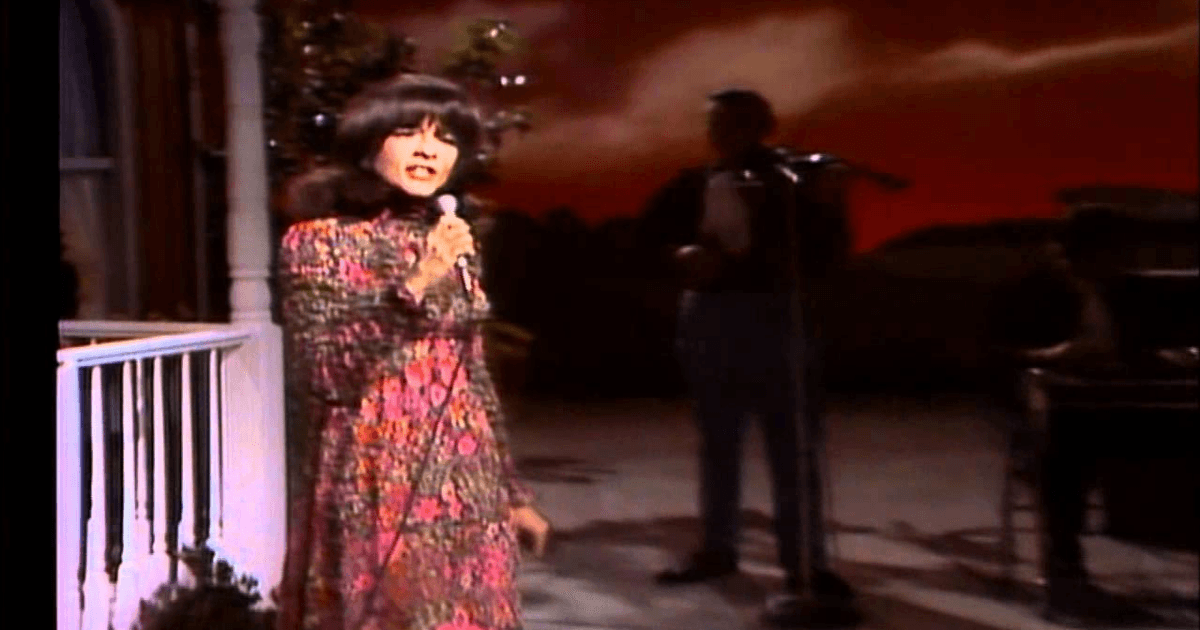
Donna Fargo’s vocal performance is key to the song’s emotional resonance. She sings with softness and sincerity, avoiding excess emotion while allowing vulnerability to surface naturally. Her voice carries warmth and honesty, making the song feel less like a performance and more like a private reflection. This restrained delivery gives the song its strength, allowing listeners to connect their own experiences to the emotions being expressed. Fargo’s tone suggests maturity and emotional clarity, reinforcing the idea that the song comes from lived experience rather than imagination.
Musically, “Daddy” is built around a gentle, understated arrangement. The instrumentation is simple and supportive, featuring soft guitar lines, subtle rhythm, and minimal embellishment. This simplicity allows the lyrics to remain the focus, reinforcing the song’s intimate tone. The melody flows smoothly, creating a sense of calm reflection rather than dramatic movement. This musical approach aligns with the emotional theme, emphasizing closeness and memory rather than conflict.
Lyrically, the song stands out for its directness. The use of the word “Daddy” itself is significant—it is deeply personal, childlike, and emotionally loaded. It immediately places the listener in a vulnerable space, where affection and memory intertwine. The lyrics speak not just of a person, but of guidance, protection, and emotional grounding. There is a sense that the father figure represented in the song shaped the narrator’s values and sense of self, even if he is no longer physically present.
Within Donna Fargo’s career, “Daddy” highlights her versatility as a songwriter and performer. While she is often remembered for upbeat, optimistic hits that celebrated joy and positivity, this song reveals her ability to explore quieter emotional terrain. It demonstrates that Fargo could convey depth and introspection without abandoning her natural warmth. This balance between light and shade contributed to her wide appeal and helped define her place in 1970s country music.
The year 1973 was an important period in country music, marked by a blending of traditional storytelling with smoother, more accessible production. “Daddy” fits well within this context. Its sound is gentle and melodic, appealing to a broad audience while remaining grounded in country tradition. The song reflects a time when country music was expanding its emotional scope, allowing artists to explore themes beyond romance and heartbreak.
Genre-wise, “Daddy” sits comfortably at the intersection of traditional country and country-pop. While its themes and storytelling are firmly rooted in country values—family, memory, emotional honesty—its polished production and melodic softness made it accessible to listeners outside the genre’s core audience. This crossover appeal was a hallmark of Donna Fargo’s success during the early 1970s.
What gives “Daddy” its lasting impact is its universality. Nearly everyone carries emotional memories tied to parental figures, whether those relationships were comforting, complicated, or both. The song does not define the relationship in strict terms, allowing listeners to project their own experiences onto it. This openness is one of the song’s greatest strengths, making it timeless and deeply relatable.
The song also stands out for its emotional restraint. Rather than dramatizing loss or regret, it presents emotion as something quietly carried. This approach reflects emotional maturity, suggesting that love does not fade when someone is gone—it simply changes form. The absence of resolution in the song mirrors real life, where feelings about family often remain complex and unresolved.
In the broader landscape of country music, “Daddy” serves as a reminder that some of the most powerful songs are the quietest ones. It demonstrates how country music excels at capturing personal truths with simplicity and sincerity. Through gentle music, heartfelt lyrics, and Donna Fargo’s warm vocal delivery, the song creates an emotional space where memory and love coexist peacefully.
Ultimately, “Daddy” endures because it speaks to the lasting bond between parent and child—a connection shaped by guidance, affection, and memory. It does not seek to explain or justify that bond; it simply honors it. In doing so, the song remains a touching and meaningful part of Donna Fargo’s legacy, offering listeners a moment of reflection on the people who shaped them and the love that continues long after words are no longer exchanged.