
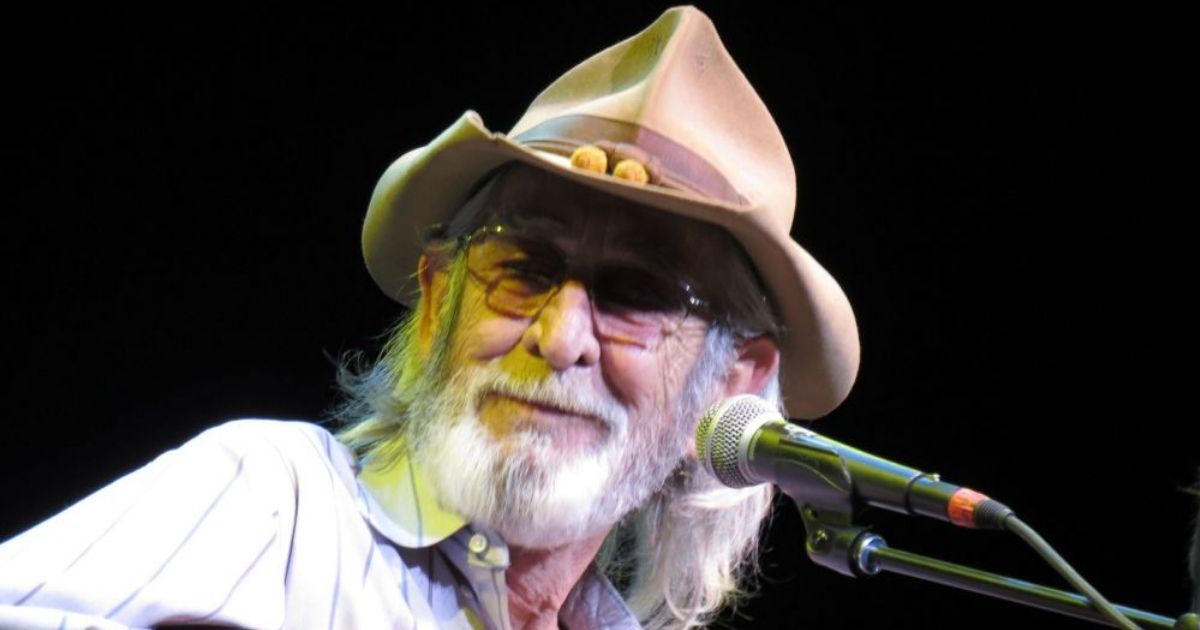
About the song
Background and Origins
“I’ll Be Here in the Morning” is a tender ballad written by the legendary Texan songwriter Townes Van Zandt, first appearing on his 1969 album Townes Van Zandt. The song is one of Van Zandt’s most enduring works, celebrated for its poetic simplicity and emotional depth. Over the decades, it has been recorded by several artists, but one of the most cherished versions is by Don Williams, the “Gentle Giant” of country music.
Don Williams included the song on his 2012 album And So It Goes, which was released late in his career. By this point, Williams was already an icon of country music, having spent decades cultivating a reputation for his warm baritone voice, unpretentious style, and songs that emphasized sincerity, loyalty, and love. His decision to record “I’ll Be Here in the Morning” reflected both his admiration for Van Zandt’s songwriting and his own affinity for songs that speak to comfort, constancy, and devotion.
Lyrical Themes
At its core, “I’ll Be Here in the Morning” is a song about assurance, loyalty, and the quiet strength of love. It serves as a promise from one partner to another that, no matter the uncertainty of the world, they will remain steadfast and present.
Key lyrical themes include:
Reassurance: The repeated promise “I’ll be here in the morning” is a gentle vow of emotional presence and stability.
Tender Intimacy: The lyrics are intimate, addressing the beloved directly and offering comfort through the calm presence of love.
Hope and Peace: Unlike songs about heartbreak or longing, this one emphasizes peace and certainty, reinforcing the idea that love is not fleeting but enduring.
Simplicity: Much like Van Zandt’s songwriting in general, the imagery is straightforward but powerful—painting a portrait of love that doesn’t rely on grand gestures but on constancy.
For Don Williams, whose music always highlighted the importance of ordinary yet profound emotions, the song aligned perfectly with his repertoire.
Musical Arrangement
In Don Williams’s rendition, the arrangement is gentle, understated, and characteristically soothing, reflecting his well-known minimalist approach to country music.
Instrumentation: Soft acoustic guitar is the centerpiece, supported by subtle percussion, bass, and occasional steel guitar. This creates a warm, intimate atmosphere.
Tempo and Mood: The tempo is slow and calming, mirroring the reassuring message of the lyrics. The arrangement avoids drama, instead focusing on relaxation and tranquility.
Production: Produced with a polished yet organic sound, the track highlights Williams’s vocals without overwhelming them with heavy instrumentation.
This restrained style makes the listener feel as though the singer is sitting across from them, offering comfort through both words and sound.
Don Williams’s Vocal Interpretation
Don Williams’s version of “I’ll Be Here in the Morning” is particularly moving because of his vocal delivery. His warm, unhurried baritone transforms the song into something deeply personal.
Gentleness: Williams’s voice is soft yet confident, embodying the tenderness of the lyrics.
Sincerity: He avoids theatrical flourishes, letting the straightforward promise of the song carry the emotional weight.
Comfort: His interpretation feels like a soothing conversation rather than a performance, which is why listeners often describe his music as comforting or healing.
Where Van Zandt’s original version carries a fragile, almost haunted quality, Williams’s rendition offers reassurance and stability—two sides of the same lyrical coin.
Reception and Legacy
Though not as commercially recognized as some of his earlier chart-topping hits like “You’re My Best Friend” or “Tulsa Time”, Don Williams’s recording of “I’ll Be Here in the Morning” has been praised by fans and critics for its beauty and understated elegance. It fit seamlessly into And So It Goes, an album that reaffirmed Williams’s ability to deliver timeless music even in the later stages of his career.
The song also highlights Williams’s role as an interpreter of great songwriting. Just as he brought Wayland Holyfield’s “You’re My Best Friend” or Bob McDill’s “Good Ole Boys Like Me” to life, he did the same with Townes Van Zandt’s “I’ll Be Here in the Morning”, honoring the song’s spirit while imprinting it with his unique warmth.
Cultural and Emotional Significance
The lasting appeal of this song lies in its universal message of love and loyalty. In a world often filled with uncertainty and fleeting connections, “I’ll Be Here in the Morning” offers reassurance that love can be constant and dependable.
For listeners, Don Williams’s version in particular feels like a balm: calming, trustworthy, and quietly profound. It is the kind of song that people turn to during moments of doubt or difficulty, reminding them of the power of steady love and presence.
The track also demonstrates how country music can transcend heartbreak themes to explore the comfort of enduring love, making it a unique contribution to both Williams’s catalog and the broader tradition of country ballads.
Conclusion
Don Williams’s rendition of “I’ll Be Here in the Morning” is a shining example of his gift for transforming simple, heartfelt songs into timeless pieces of art. By bringing his warm, gentle voice to Townes Van Zandt’s poignant lyrics, Williams created a version that emphasizes reassurance, peace, and the enduring power of love.
The song may not have topped the charts, but it remains one of those quiet treasures in Don Williams’s discography—an intimate ballad that captures the essence of his musical philosophy: that true power lies not in volume or spectacle, but in sincerity and gentleness.
Ultimately, “I’ll Be Here in the Morning” is more than just a love song. It is a universal promise of constancy, a reminder that in the midst of life’s uncertainties, the simple act of being there for someone you love can mean everything.