
About the song
Don McLean’s “And I Love You So” is one of the most cherished ballads in modern popular music, admired for its simplicity, sincerity, and emotional resonance. First released in 1970 on McLean’s debut album Tapestry, the song has endured for decades as a timeless love declaration. While McLean is best known for his epic “American Pie” (1971), “And I Love You So” reveals a very different side of his artistry: intimate, heartfelt, and quietly profound. Over the years, the song has been covered by dozens of artists—including Perry Como, Elvis Presley, Shirley Bassey, and Glen Campbell—each adding new dimensions to its legacy.
Background and Origins
Don McLean wrote “And I Love You So” in his early twenties, during a period of artistic growth and personal reflection. McLean was beginning to make his mark as a folk singer-songwriter, drawing inspiration from artists like Buddy Holly, Pete Seeger, and Bob Dylan. Unlike the sweeping narrative style of “American Pie” or the social consciousness of some of his later works, “And I Love You So” focuses inward, expressing a deeply personal sentiment in a universal way.
Although not an immediate commercial success when McLean first released it, the song gained widespread recognition when Perry Como recorded his version in 1973. Como’s rendition climbed the charts in both the United States and the United Kingdom, bringing the song to an older, more mainstream audience. Later, Elvis Presley’s soulful version in the mid-1970s added another layer of cultural impact, further cementing its reputation as a classic.
Themes and Lyrics
The song’s lyrics are a straightforward yet poignant declaration of love, reflecting themes of companionship, gratitude, and emotional security. McLean’s narrator speaks directly to his beloved, acknowledging the emptiness and loneliness of life before love entered the picture. Lines like “And I love you so / The people ask me how / How I’ve lived till now / I tell them I don’t know” capture the almost indescribable transformation that love brings into one’s existence.
The lyrics avoid grandiose metaphors or complex storytelling. Instead, they rely on sincerity and vulnerability. The song portrays love not as an overwhelming passion but as a quiet, steady force that gives life meaning and comfort. This simplicity is part of its enduring appeal: listeners can immediately connect with the sentiment, regardless of age, culture, or background.
Musical Structure and Style
Musically, “And I Love You So” exemplifies McLean’s folk sensibilities. The arrangement in his original version is minimalistic, featuring acoustic guitar accompaniment with subtle orchestration. This stripped-down style creates an intimate atmosphere, as though the singer is speaking directly to one person.
The melody is gentle and flowing, perfectly suited to the lyrical content. It doesn’t rely on dramatic flourishes or complex chord progressions, but rather on its graceful simplicity. This understated quality makes the song highly adaptable for different interpretations—whether as a pop ballad, a country tune, or even a jazz standard.
Don McLean’s Vocal Delivery
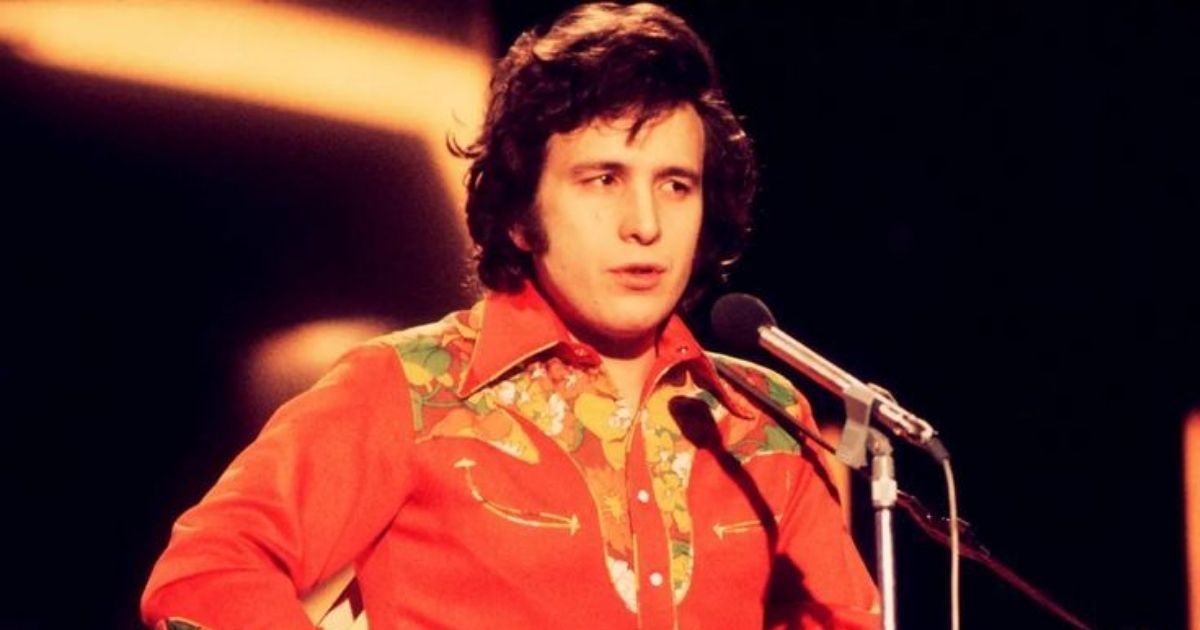
In McLean’s recording, his vocal performance conveys warmth, vulnerability, and sincerity. His voice is tender without being overly sentimental, capturing the balance between strength and fragility that defines genuine love. Unlike the more dramatic stylings of later covers, McLean’s delivery remains understated, which allows the words themselves to shine.
Covers and Interpretations
One of the reasons “And I Love You So” has endured is the wide range of artists who have embraced it. Perry Como’s version brought lush orchestration and an easy-listening polish, making it a major hit in 1973. Elvis Presley’s recording, featured on his 1975 album Today, gave the song a soulful gravitas, marked by Presley’s rich baritone and emotive phrasing. Shirley Bassey’s interpretation added a powerful, theatrical flair, while Glen Campbell infused it with country warmth.
Each version highlights the song’s adaptability and universal message. Listeners can approach it through multiple lenses—folk intimacy, pop sophistication, or soulful grandeur—yet its core sentiment remains untouched.
Reception and Legacy
Although not McLean’s most famous work, “And I Love You So” has become one of his most enduring compositions. Its popularity as a wedding song, its frequent appearances in television and film soundtracks, and its status as a favorite among performers worldwide all testify to its lasting resonance.
The song embodies qualities that define the best love songs: honesty, universality, and timelessness. Unlike trends that fade with changing musical fashions, “And I Love You So” continues to appeal across generations, a testament to McLean’s gift for songwriting.
Cultural Significance
Beyond its romantic sentiment, the song speaks to a broader human need for connection and meaning. Its lyrics suggest that love is not simply an emotional experience but a fundamental source of identity and resilience. For many listeners, “And I Love You So” provides comfort, reassurance, and a reminder of the power of enduring relationships.
The fact that it has been performed by artists from such diverse backgrounds underscores its universality. Whether in McLean’s intimate folk style, Presley’s soulful interpretation, or Como’s smooth delivery, the song transcends genre and era, uniting audiences around a shared emotional truth.
Conclusion
Don McLean’s “And I Love You So” stands as one of the great love ballads of the twentieth century. With its gentle melody, heartfelt lyrics, and enduring adaptability, the song has touched countless lives since its release. While McLean may be forever linked to “American Pie,” this quiet, tender ballad showcases a different but equally important aspect of his artistry.
By capturing the transformative power of love with simplicity and grace, “And I Love You So” continues to resonate more than fifty years after its debut. It is not just a song but a declaration of gratitude and devotion that speaks to the deepest needs of the human heart.